


Introduction
The marketing landscape is in a state of perpetual evolution, driven by technological advancements, shifting consumer behaviors, and an increasingly complex digital ecosystem. As we stand at the close of 2025, marketers face the imperative to not just adapt, but to proactively future-proof their strategies. This guide explores the core pillars for building a resilient, effective marketing framework that will thrive in 2026 and well into the next decade.
Embracing AI and Advanced Automation
Artificial intelligence is no longer a nascent technology; it is a foundational element of modern marketing. From predictive analytics and content generation to hyper-personalized ad delivery and customer service chatbots, AI tools are transforming how businesses connect with their audiences. Integrating AI strategically means identifying repetitive tasks that can be automated, leveraging machine learning for deeper insights, and enhancing decision-making processes across the entire marketing funnel.
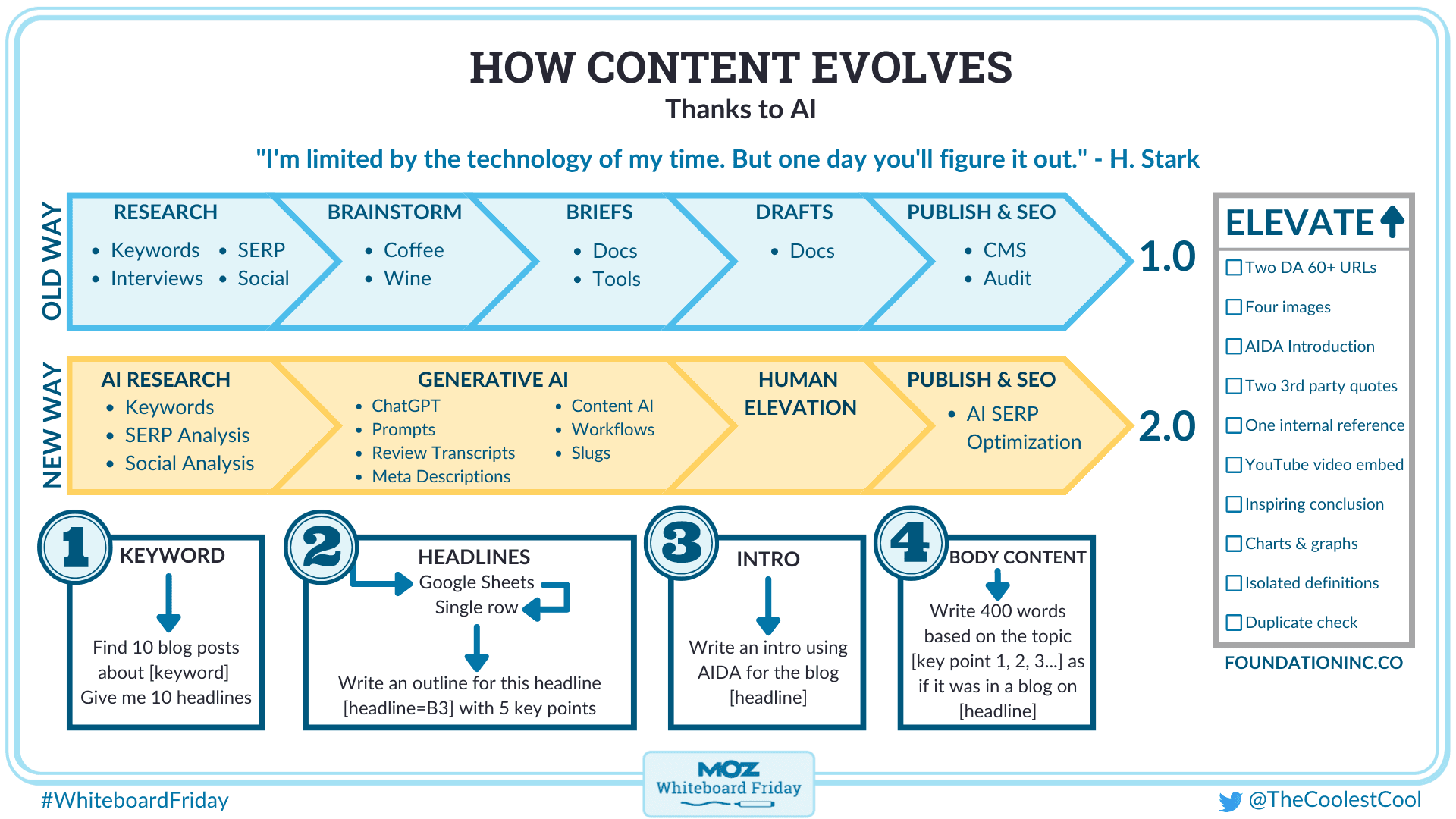
The key to successful AI adoption lies in understanding its capabilities and limitations. Focus on AI applications that augment human creativity and strategic thinking, rather than replacing them entirely. This includes using AI for audience segmentation, optimizing campaign performance in real-time, and personalizing content at scale, freeing up human marketers to focus on high-level strategy, creative ideation, and complex problem-solving.
Data-Driven Decision Making as a Core Competency
In an era of abundant data, the ability to collect, analyze, and act upon insights is paramount. Future-proof marketing strategies are built on a robust data infrastructure that integrates information from various touchpoints – website analytics, CRM, social media, advertising platforms, and more. This holistic view enables marketers to understand customer journeys, identify trends, and measure ROI with precision, moving beyond vanity metrics to actionable intelligence.
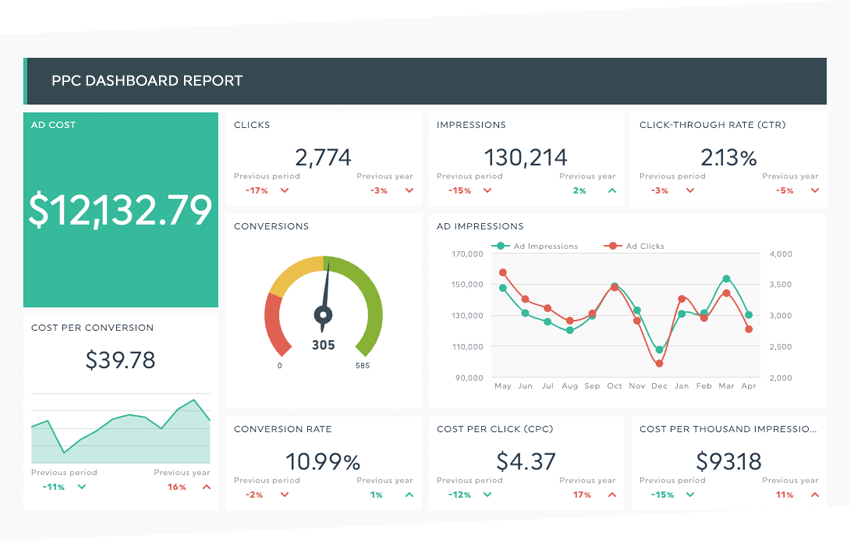
Establishing a data-driven culture requires more than just tools; it demands a commitment to continuous learning and experimentation. Marketers must develop strong analytical skills, understand data governance, and be prepared to iterate based on evidence. This approach ensures that every marketing dollar is spent effectively, campaigns are optimized for maximum impact, and strategic adjustments are made proactively rather than reactively.
Hyper-Personalization and Customer Experience (CX)
Consumer expectations for personalized experiences have never been higher. Generic messaging and one-size-fits-all campaigns are increasingly ineffective. Future-proof strategies prioritize hyper-personalization, delivering relevant content, offers, and interactions tailored to individual preferences, behaviors, and stages in the customer journey. This extends beyond basic segmentation to dynamic content delivery and predictive engagement.
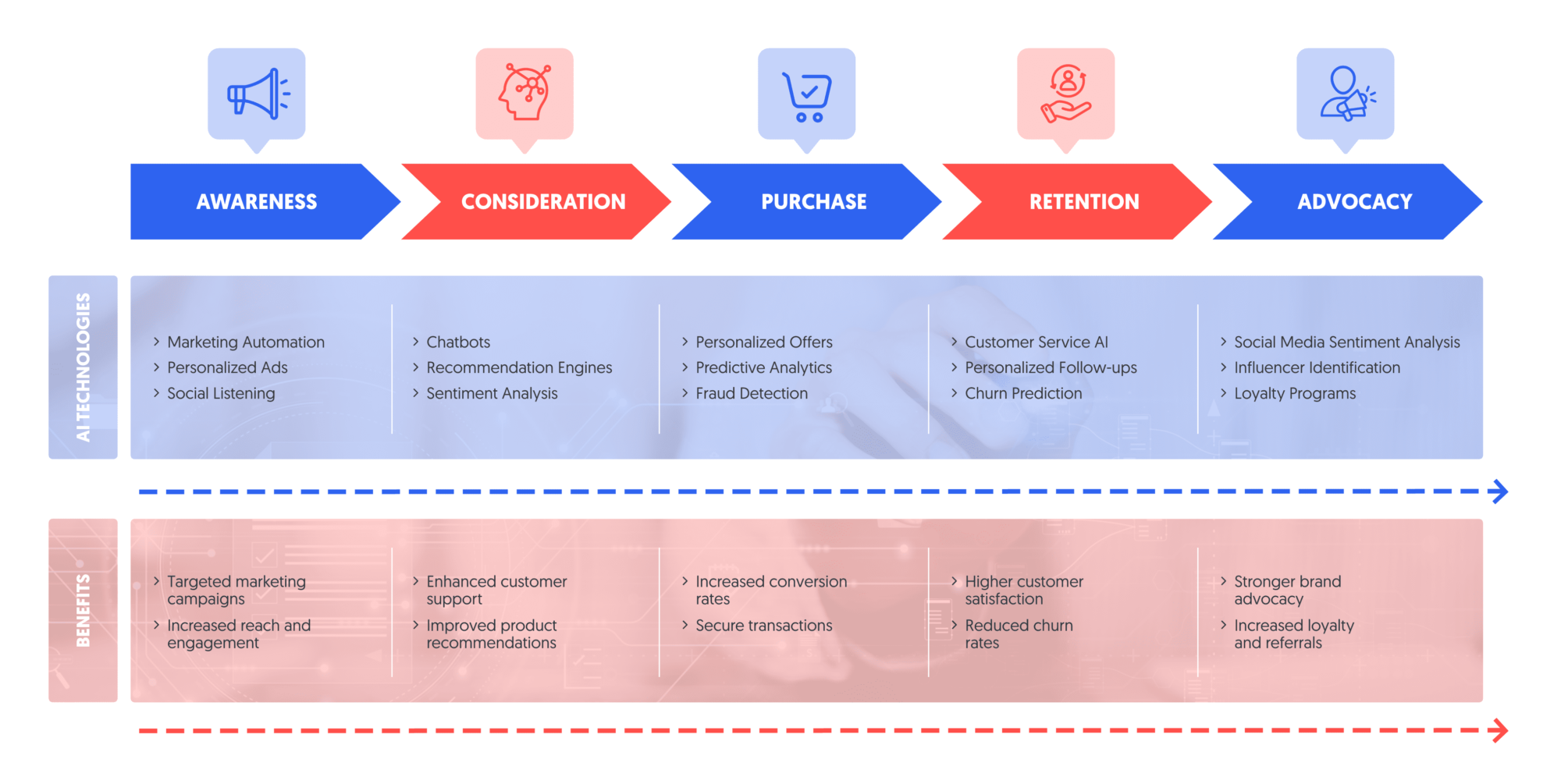
A superior customer experience is the ultimate differentiator. This means designing seamless, intuitive, and delightful interactions across all touchpoints – from initial awareness to post-purchase support. Investing in CX involves understanding customer pain points, optimizing user interfaces, ensuring consistent brand messaging, and leveraging feedback loops to continuously refine the customer journey.
Agile Marketing Frameworks for Adaptability
The pace of change in the digital landscape necessitates an agile approach to marketing. Traditional long-term planning cycles can quickly become outdated. Agile marketing emphasizes iterative development, rapid experimentation, continuous feedback, and flexible adaptation to market shifts. This methodology allows teams to respond quickly to new opportunities, mitigate risks, and optimize campaigns in real-time.
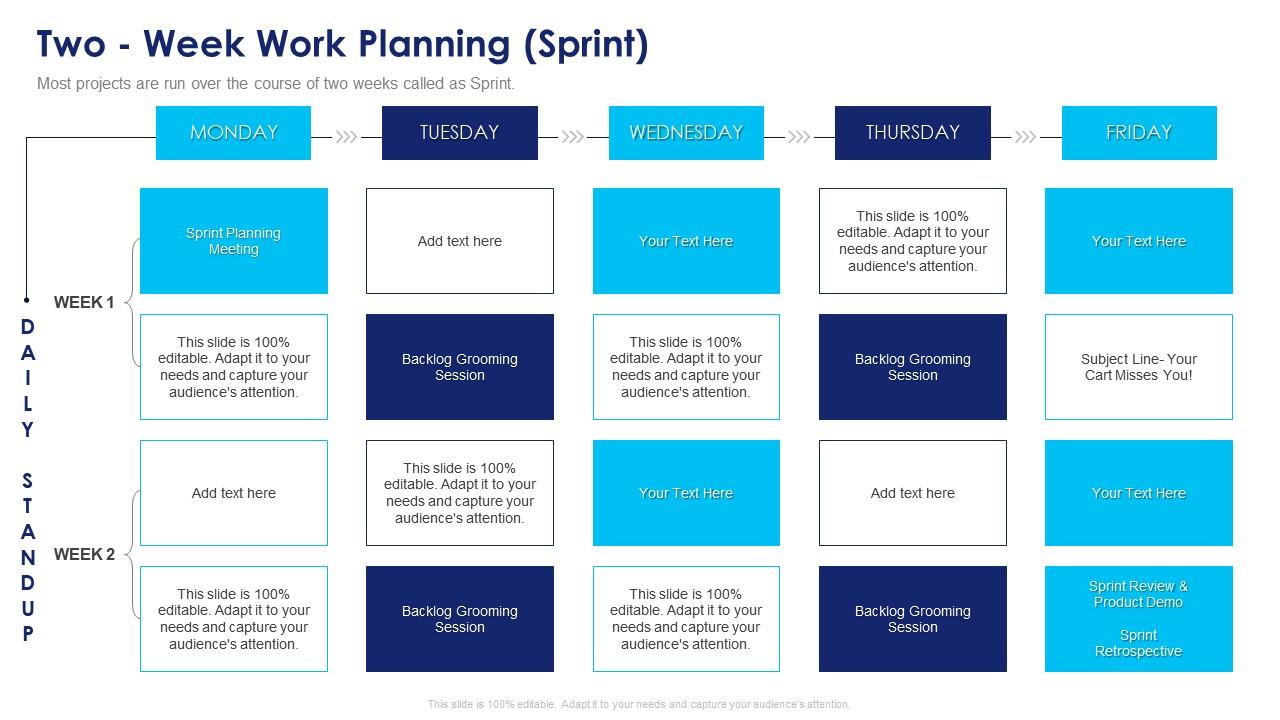
Implementing agile principles involves breaking down large projects into smaller, manageable sprints, fostering cross-functional collaboration, and prioritizing transparency. This not only improves efficiency and responsiveness but also empowers marketing teams to innovate faster and deliver value more consistently. It shifts the focus from rigid plans to continuous delivery and improvement.
Ethical AI, Data Privacy, and Trust Building
As AI becomes more pervasive and data collection more sophisticated, ethical considerations and data privacy are non-negotiable. Consumers are increasingly aware of how their data is used, and regulations like GDPR and CCPA have set high standards for data protection. Future-proof marketing strategies must embed ethical AI practices and robust data privacy measures at their core.

Building and maintaining customer trust is paramount. This involves transparent data collection practices, clear communication about data usage, offering control over personal information, and ensuring AI systems are fair, unbiased, and explainable. Prioritizing privacy and ethics not only ensures compliance but also strengthens brand reputation and fosters long-term customer loyalty.
Cultivating a Culture of Continuous Learning and Innovation
The only constant in marketing is change. To future-proof a strategy, organizations must foster a culture that values continuous learning, experimentation, and innovation. This means encouraging teams to stay abreast of emerging technologies, new platforms, and evolving consumer behaviors. Investing in professional development and providing opportunities for skill enhancement are critical.

Innovation isn’t just about adopting new tools; it’s about challenging assumptions, exploring creative solutions, and being willing to fail fast and learn faster. Empowering marketing teams to experiment with new approaches, analyze results, and share insights creates an environment where adaptability becomes a core strength, ensuring the strategy remains relevant and effective in an unpredictable future.



Leave a Comment