


The marketing landscape is in constant flux, driven by technological advancements, evolving consumer behaviors, and the pervasive influence of AI. For businesses aiming to grow and optimize campaigns, understanding current marketing job trends and effective recruitment strategies is paramount. This article delves into the critical skills, emerging roles, and strategic approaches needed to build a high-performing marketing team in today’s dynamic environment.
The Evolving Marketing Skillset: Beyond Traditional Roles
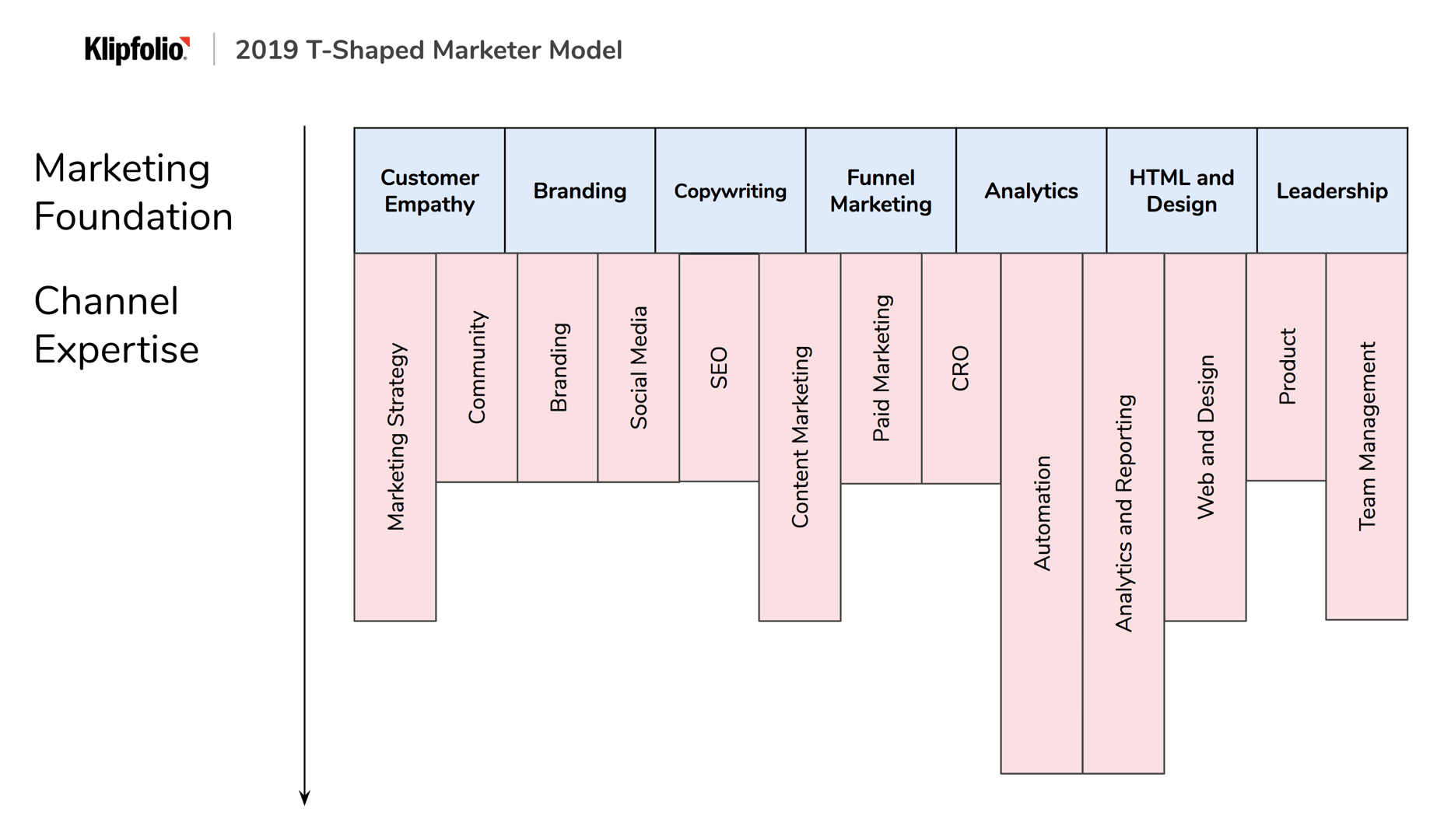
The demand for marketing professionals has shifted significantly. While foundational knowledge in areas like branding and communication remains crucial, the emphasis is now on a blend of analytical prowess, technical fluency, and creative problem-solving. Marketers are increasingly expected to not only understand strategy but also execute with data-driven precision across diverse digital channels.
Hybrid roles are becoming the norm, requiring individuals who can bridge gaps between creative content generation and performance analytics, or between technical SEO and user experience design. Soft skills such as adaptability, critical thinking, and continuous learning are more valuable than ever, as the tools and platforms marketers use evolve at an unprecedented pace. Companies seek talent capable of quickly mastering new technologies and applying them strategically.

AI’s Impact on Marketing Roles and Productivity
Artificial intelligence has fundamentally reshaped marketing operations, moving beyond mere automation to become a strategic partner in content creation, personalization, and campaign optimization. AI tools now assist in everything from generating initial content drafts and optimizing ad copy to predicting customer behavior and segmenting audiences with greater accuracy. This integration elevates the marketer’s role from manual execution to strategic oversight and prompt engineering.
While some repetitive tasks are being automated, AI is simultaneously creating new job functions. Roles like AI prompt engineer, ethical AI marketer, and AI-driven content strategist are emerging, requiring professionals who understand how to leverage AI effectively, interpret its outputs, and ensure ethical deployment. The focus shifts to human-AI collaboration, where marketers use AI to amplify their creativity and analytical capabilities, leading to more efficient and impactful campaigns.
Data-Driven Marketing: Analytics and Personalization Expertise
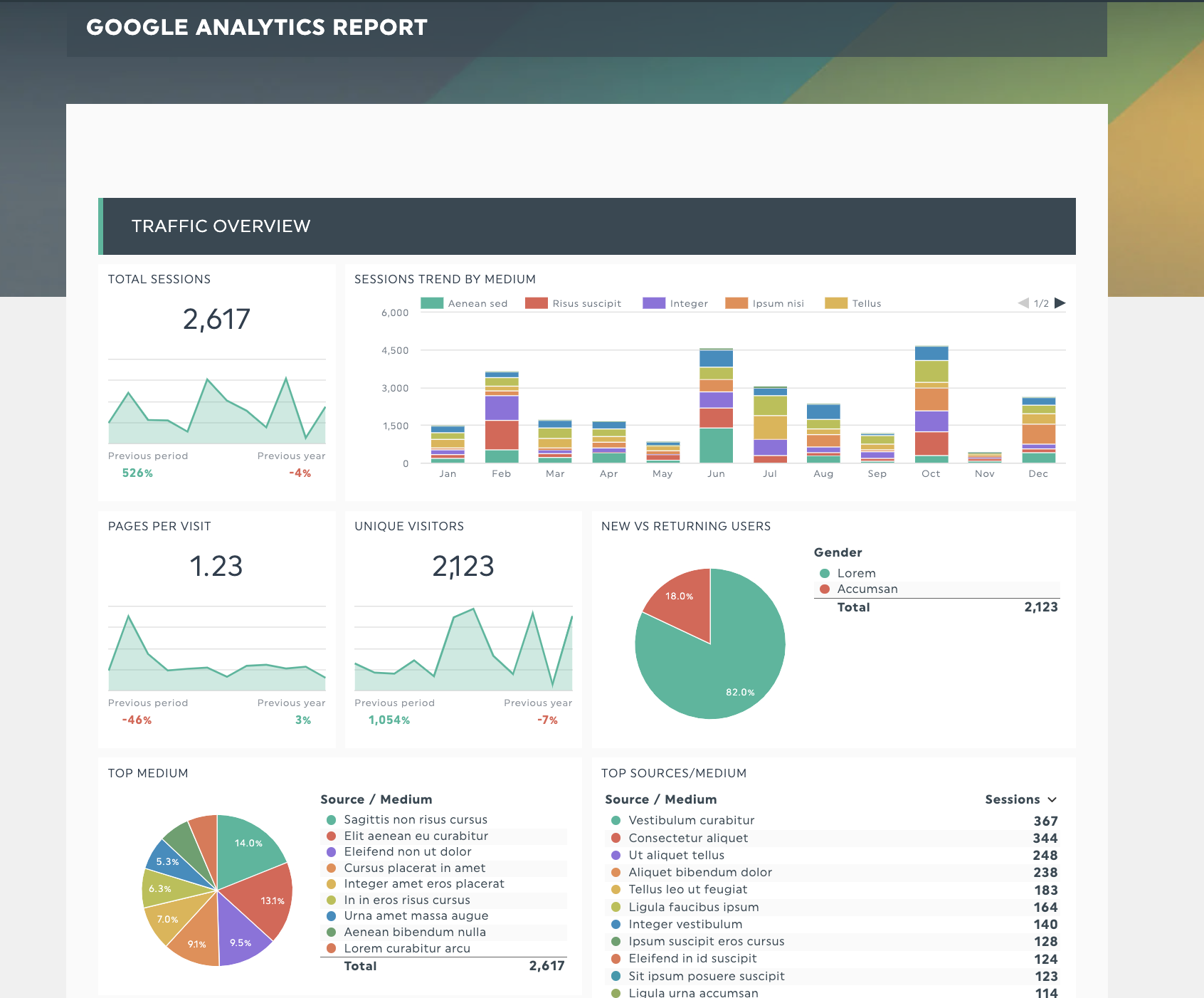
In an era where every interaction generates data, proficiency in data analytics is no longer a niche skill but a core competency for all marketing professionals. Businesses demand marketers who can not only collect and interpret vast datasets but also translate insights into actionable strategies. This includes understanding attribution models, performing A/B testing, and utilizing predictive analytics to forecast trends and optimize resource allocation.
Personalization, powered by robust data analysis, is key to engaging modern consumers. Marketers need to be adept at segmenting audiences, crafting tailored messages, and deploying dynamic content across various touchpoints. This requires a deep understanding of customer journey mapping and the ability to leverage CRM and marketing automation platforms to deliver hyper-relevant experiences at scale, driving higher conversion rates and customer loyalty.
The Rise of Specialized Niches: From MarTech to CX
The complexity of the marketing ecosystem has led to a proliferation of highly specialized roles. MarTech (Marketing Technology) operations specialists, for instance, are crucial for managing and integrating the ever-growing stack of marketing tools, ensuring data flow and operational efficiency. Their expertise ensures that technology investments translate into tangible business outcomes.
Customer Experience (CX) strategists are another vital specialization, focusing on optimizing every touchpoint of the customer journey to build loyalty and advocacy. Growth marketers, on the other hand, employ a data-intensive, experimental approach to identify scalable growth opportunities across the entire marketing funnel. Additionally, roles centered on privacy compliance and ethical data usage have become critical, reflecting increased regulatory scrutiny and consumer demand for transparency.
Recruitment Strategies for the Modern Marketing Team
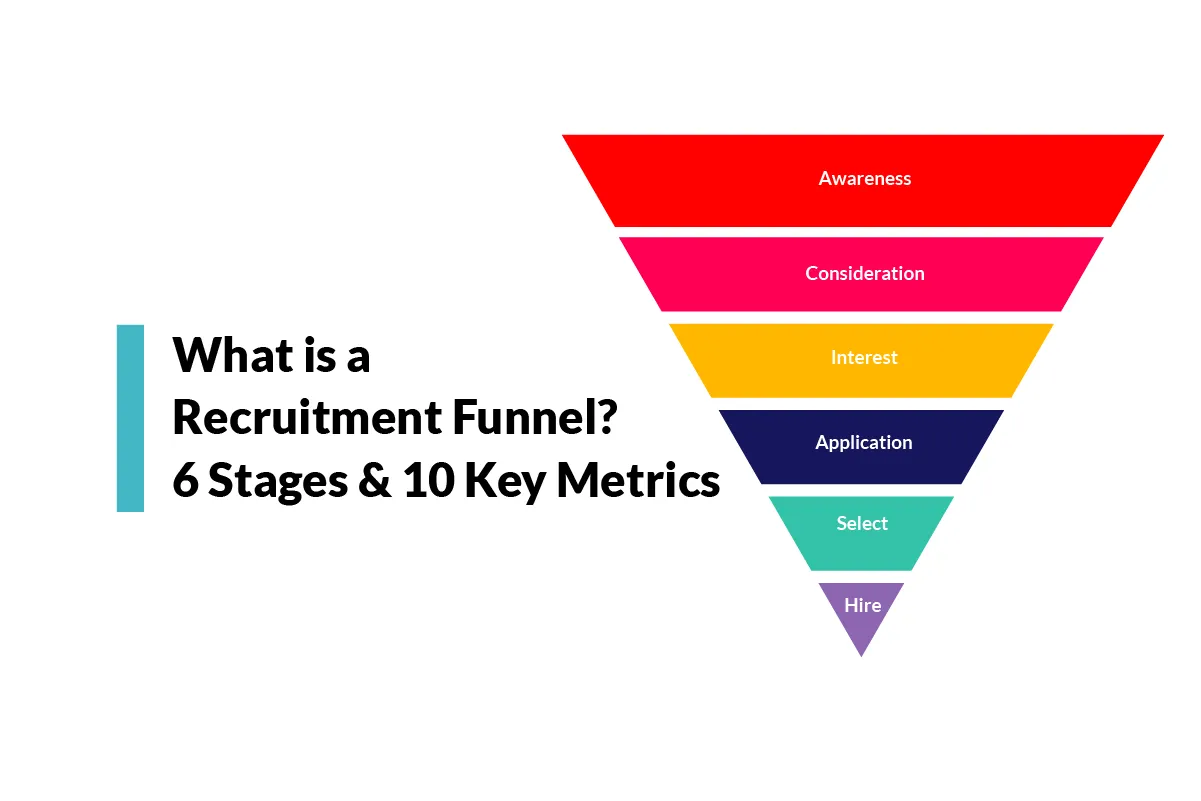
Attracting and retaining top marketing talent in this competitive landscape requires a strategic and adaptable approach. Companies are moving beyond traditional resume-based hiring to skill-based assessments, evaluating candidates on their practical abilities, problem-solving skills, and adaptability rather than just their academic background or previous job titles. This broadens the talent pool and identifies truly capable individuals.
Embracing remote and hybrid work models has become a standard expectation, offering flexibility that appeals to a wider range of candidates and allows access to global talent pools. Furthermore, emphasizing continuous learning and professional development opportunities within the company culture is crucial. Providing access to upskilling programs, certifications, and mentorship demonstrates a commitment to employee growth, making the organization more attractive to ambitious marketers.
Navigating the Future of Marketing Talent Acquisition
The future of marketing talent acquisition hinges on proactive adaptation and a deep understanding of emerging trends. Businesses must continuously analyze the evolving skill requirements, investing in both external recruitment and internal upskilling initiatives. Building a culture of innovation and continuous learning is paramount to ensure the marketing team remains agile and effective in the face of rapid technological advancements.
Strategic partnerships with educational institutions and industry bodies can help identify and nurture future talent pipelines. Furthermore, leveraging AI-powered recruitment tools for initial screening and candidate matching can streamline the hiring process, allowing HR and hiring managers to focus on qualitative assessments and cultural fit. The goal is to cultivate a dynamic, skilled, and adaptable marketing workforce ready to drive business growth in the years ahead.

Leave a Comment