

AI’s Current Impact on Workflow Automation
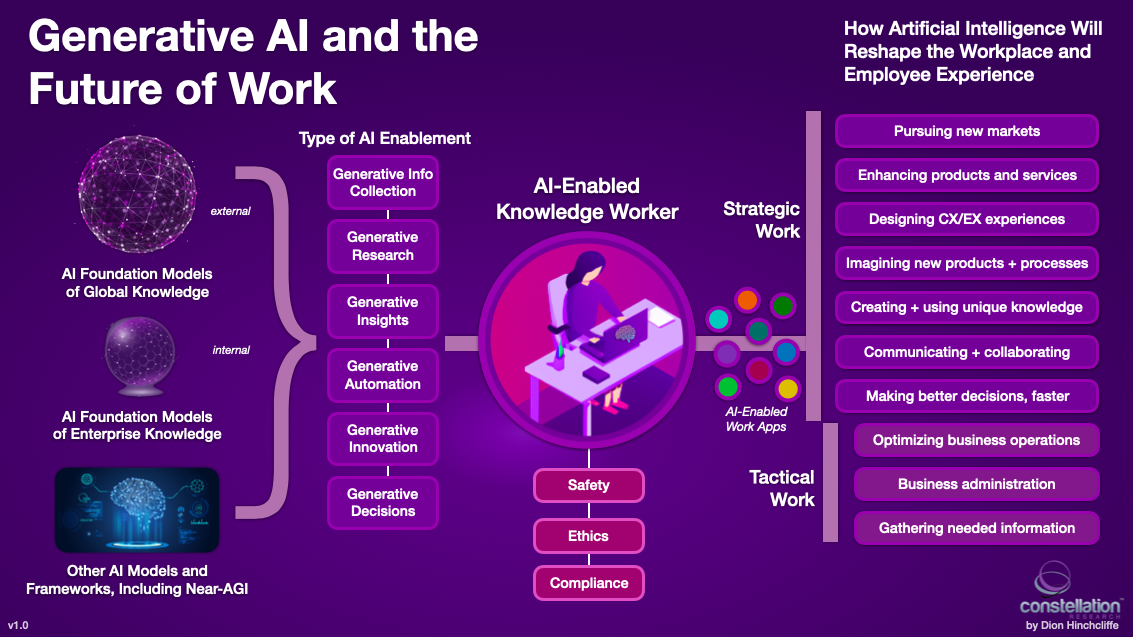
By late 2025, AI-driven automation has moved beyond theoretical discussions to become a tangible force in daily business operations. From automating repetitive administrative tasks to streamlining complex data analysis, AI tools are significantly enhancing operational efficiency across various departments. This shift allows human employees to reallocate their time from mundane, high-volume tasks to more strategic, creative, and interpersonal activities that require critical thinking and emotional intelligence.
For marketing teams, AI now automates content scheduling, initial draft generation for emails or social posts, and audience segmentation based on real-time behavioral data. In customer service, AI chatbots handle routine inquiries, freeing human agents to address complex issues. Finance departments leverage AI for fraud detection and predictive analytics, while HR uses it for initial candidate screening and personalized employee training recommendations. This widespread integration underscores AI’s role not just as a tool, but as a foundational element of modern workflow optimization.
Reshaping Team Structures and Collaboration
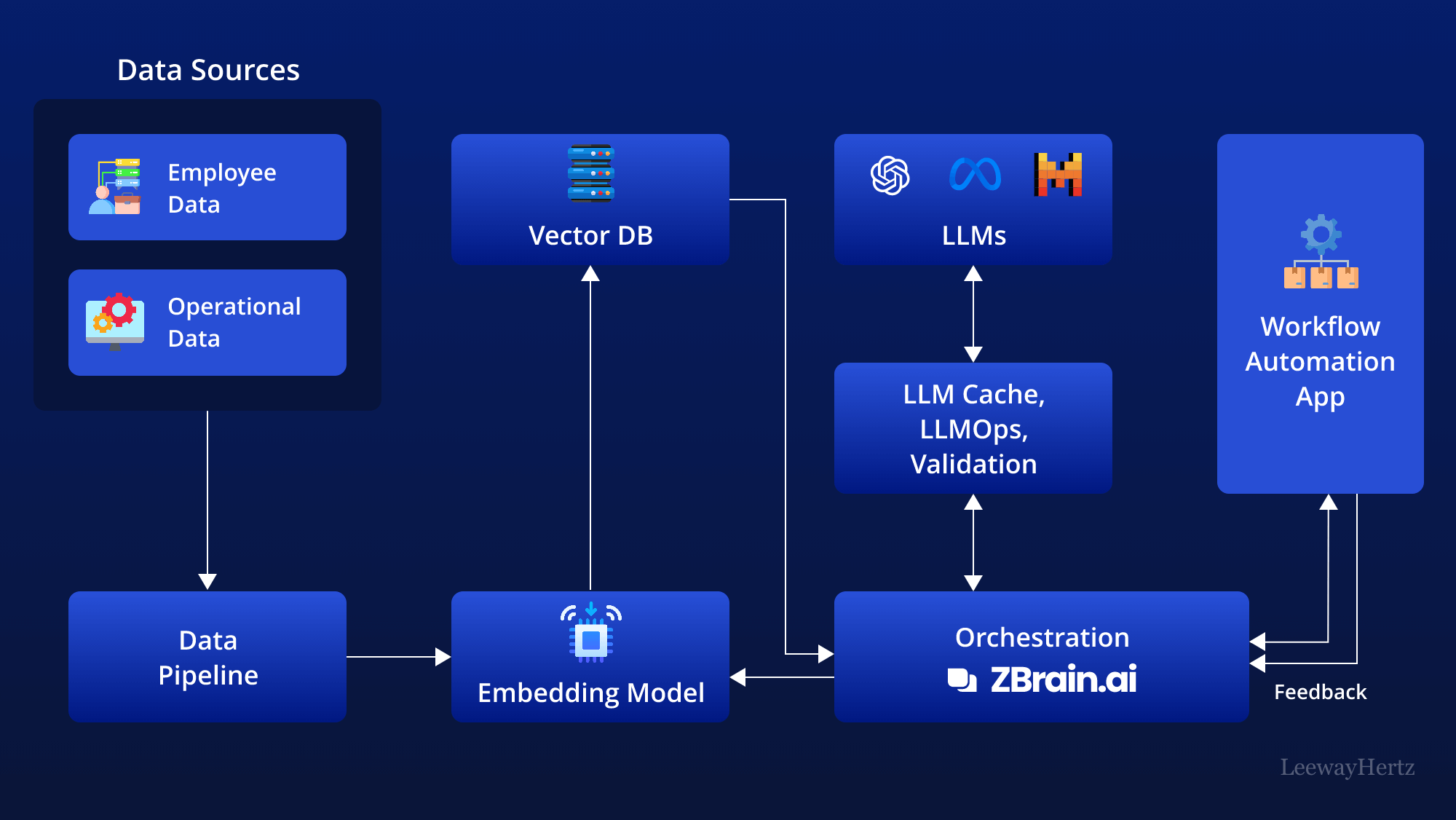
The integration of AI tools is fundamentally altering traditional team structures. Hierarchical models are giving way to more agile, project-based teams where human-AI collaboration is central. AI acts as an intelligent assistant, providing data-driven insights and automating preparatory work, enabling teams to make faster, more informed decisions. This necessitates a shift in leadership styles, emphasizing facilitation and strategic guidance over direct task management.
Collaboration platforms are increasingly embedding AI capabilities, such as intelligent meeting summaries, automated task assignments based on discussions, and proactive identification of potential project roadblocks. This augmentation fosters a more dynamic and efficient collaborative environment. Teams are learning to leverage AI not just for individual productivity, but as a collective intelligence multiplier, enhancing their ability to innovate and respond to market changes with unprecedented speed.
Evolving Skill Sets: The Human-AI Partnership
As AI assumes more routine tasks, the demand for uniquely human skills is escalating. Critical thinking, creativity, complex problem-solving, emotional intelligence, and adaptability are becoming paramount. Employees are no longer just task executors but strategic partners with AI, interpreting its outputs, refining its inputs, and applying human judgment to complex scenarios where AI’s capabilities are limited. The focus shifts from “knowing how” to “knowing why” and “what next.”
Furthermore, a new set of “AI literacy” skills is emerging as essential. This includes understanding AI’s capabilities and limitations, prompt engineering for generative AI, data interpretation, and ethical AI usage. Businesses must invest in continuous learning and development programs to upskill their workforce, ensuring employees are equipped to effectively collaborate with AI systems and leverage them for competitive advantage. This human-AI partnership is not about replacement, but augmentation and synergy.
New Roles and Opportunities in an AI-Driven Landscape
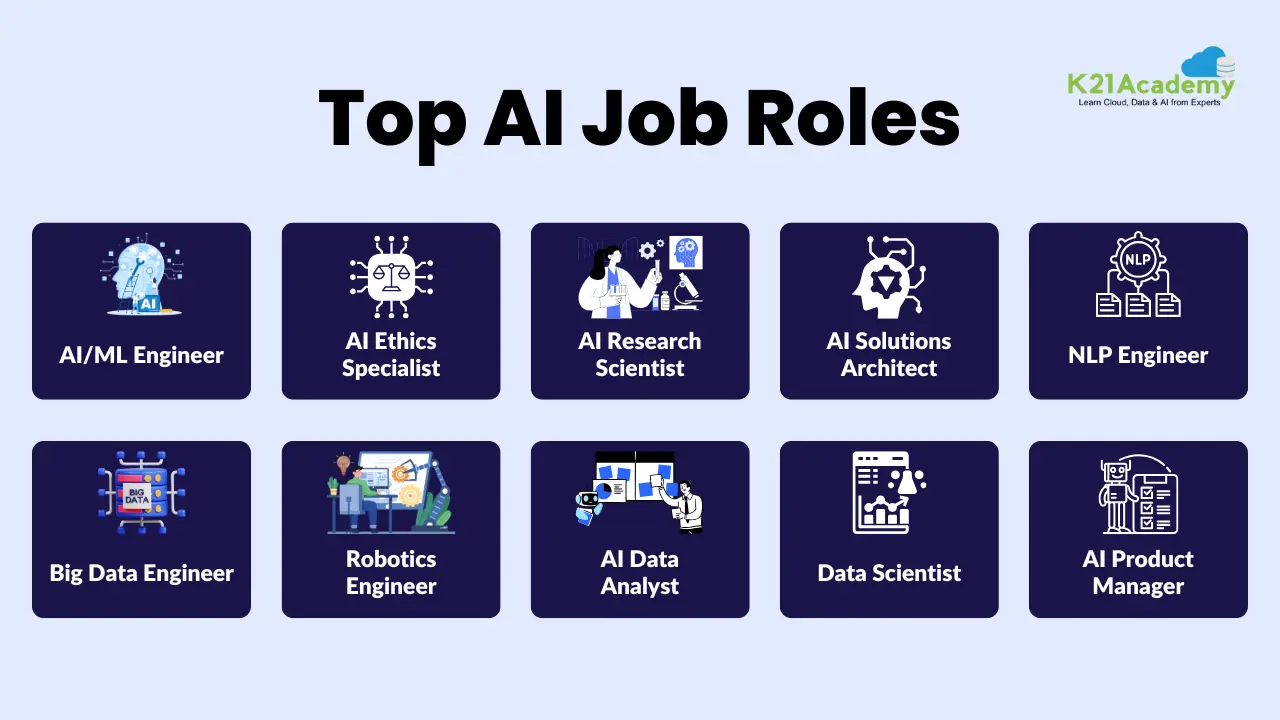
The rise of AI is not solely about automation; it’s also a catalyst for the creation of entirely new job roles and career paths. We are seeing increased demand for positions like AI Ethicists, Prompt Engineers, AI Trainers, AI Integration Specialists, and Data Storytellers. These roles bridge the gap between AI technology and business strategy, ensuring responsible deployment, optimal performance, and effective communication of AI-derived insights.
Existing roles are also evolving significantly. Marketing strategists now work closely with AI-powered analytics platforms to refine campaigns, while HR professionals use AI for predictive talent management. The emphasis is on roles that involve oversight, strategic direction, and the application of human judgment to AI outputs. This evolution presents substantial opportunities for individuals and organizations willing to embrace continuous learning and strategic adaptation.
Strategic Implementation: Integrating AI into Business Operations
Successful AI integration requires a clear strategy, not just ad-hoc tool adoption. Businesses must identify specific pain points or opportunities where AI can deliver measurable value, starting with pilot projects before scaling. This involves a thorough assessment of existing workflows, data infrastructure, and organizational readiness. A phased approach allows for iterative learning and adjustment, minimizing disruption while maximizing the benefits of AI.
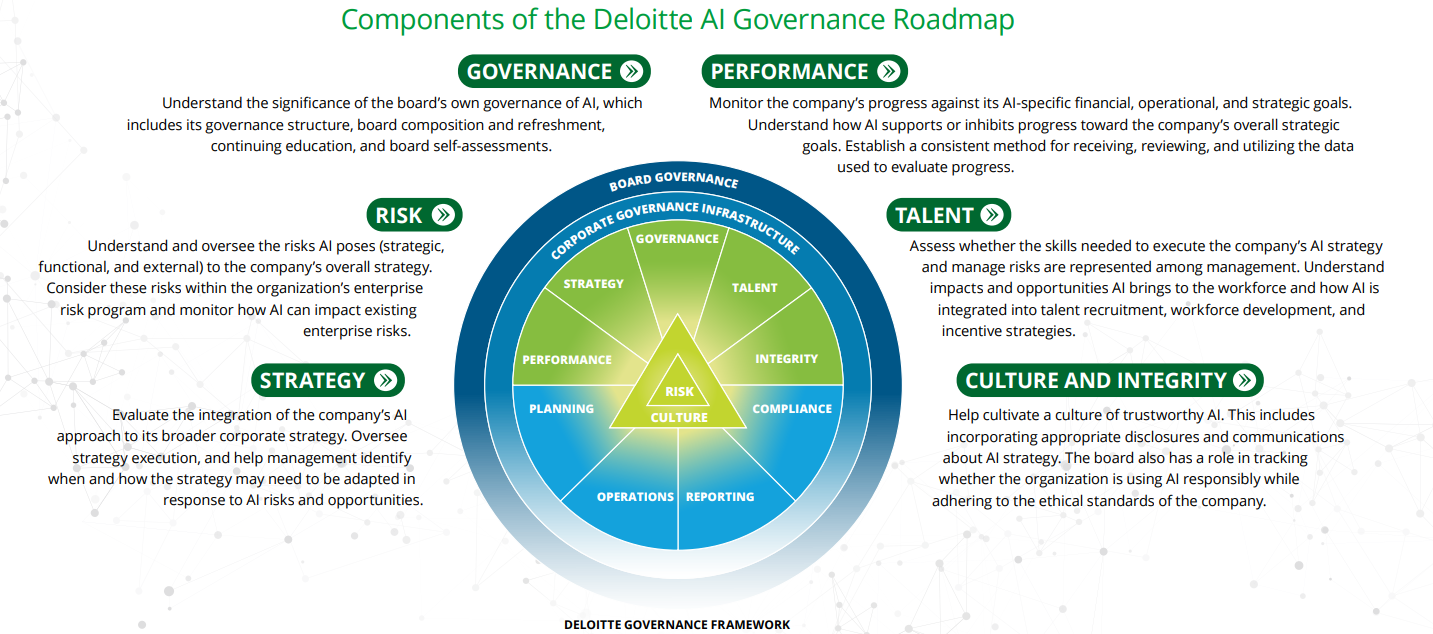
Key to this strategy is fostering a culture of experimentation and continuous improvement. Leadership must champion AI initiatives, providing resources for training and encouraging cross-functional collaboration. Establishing clear governance frameworks for data privacy, security, and ethical AI use is also crucial. By integrating AI thoughtfully, businesses can build resilient, future-ready operations that leverage technology to drive growth and innovation.
Navigating Ethical Considerations and Workforce Adaptation
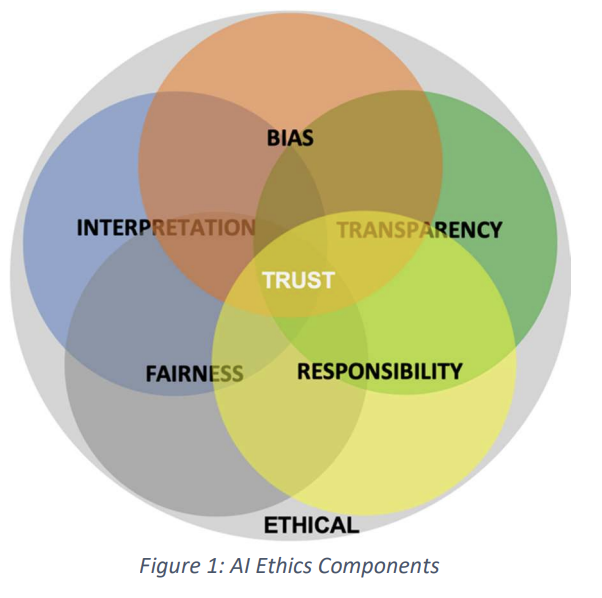
The rapid deployment of AI brings critical ethical considerations to the forefront. Issues such as algorithmic bias, data privacy, job displacement concerns, and the need for transparency in AI decision-making require proactive management. Businesses must develop robust ethical guidelines and implement regular audits to ensure AI systems are fair, accountable, and aligned with societal values. Ignoring these aspects risks reputational damage and regulatory penalties.
Workforce adaptation is another significant challenge. While AI creates new roles, it also transforms or renders some existing tasks obsolete. Companies have a responsibility to manage this transition thoughtfully, offering reskilling and upskilling programs to help employees transition into new, AI-augmented roles. Open communication, empathy, and a commitment to employee development are essential for a smooth and equitable transition to the AI-powered workplace.
Preparing Your Business for the AI-Augmented Future
The future of work is undeniably AI-augmented, not AI-dominated. Businesses that proactively prepare will gain a significant competitive edge. This involves a multi-faceted approach: investing in AI literacy across the organization, redesigning workflows to optimize human-AI collaboration, and fostering a culture of continuous learning and adaptability. The goal is to create a symbiotic relationship where AI enhances human capabilities, leading to greater innovation and productivity.
Looking ahead, organizations should focus on building flexible, resilient structures that can rapidly adapt to technological advancements. Prioritizing human skills that complement AI, such as strategic thinking, creativity, and empathy, will be crucial. By embracing AI as a partner in growth and focusing on responsible implementation, businesses can navigate the evolving landscape of work and unlock new levels of success in the years to come.


Leave a Comment