


Introduction: The Content Creation Conundrum
In today’s digital landscape, high-quality content is the bedrock of effective marketing, driving SEO, engagement, and conversions. However, the relentless demand for fresh, valuable material often leads to a significant challenge for creators and businesses alike: burnout. The pressure to consistently produce engaging, optimized content can quickly deplete creative energy, impacting both output volume and quality.
This guide from MarketingPlux offers actionable strategies to navigate the complexities of content creation without succumbing to exhaustion. We’ll explore practical approaches, workflow optimizations, and smart tool utilization to help you build a sustainable content engine that consistently delivers excellence, fuels business growth, and keeps your team energized.
Understanding the Burnout Challenge in Content Creation
The digital realm demands a constant influx of fresh, engaging content across multiple platforms, from blog posts and social media updates to videos and email newsletters. This relentless pressure, coupled with the need for continuous ideation, research, and optimization, often leads to mental fatigue and creative exhaustion among content creators. The expectation to maintain high standards while meeting tight deadlines is a primary driver of burnout.
For businesses, content creation burnout manifests as inconsistent output, a noticeable decline in quality, and missed opportunities to connect with target audiences. This not only hinders SEO performance and audience growth but can also damage brand reputation and ultimately impact revenue. Recognizing and proactively addressing these challenges is crucial for building a resilient and effective content strategy.
Strategic Planning: The Foundation of Sustainable Content
A robust content strategy is your primary defense against burnout. Begin by developing a comprehensive content calendar that outlines themes, formats, target audiences, and deadlines for several months in advance. This proactive approach eliminates last-minute scrambling, allows for thoughtful topic clustering, and ensures every piece of content aligns with overarching business goals and audience interests.
Integrate thorough audience research and keyword analysis into your planning phase to identify high-value topics that genuinely resonate. From the outset, consider how each major piece of content can be repurposed or broken down into smaller assets. This foresight not only maximizes the utility and reach of your content but also significantly reduces the pressure to constantly generate entirely new ideas from scratch.
Streamlining Your Workflow with Process Optimization
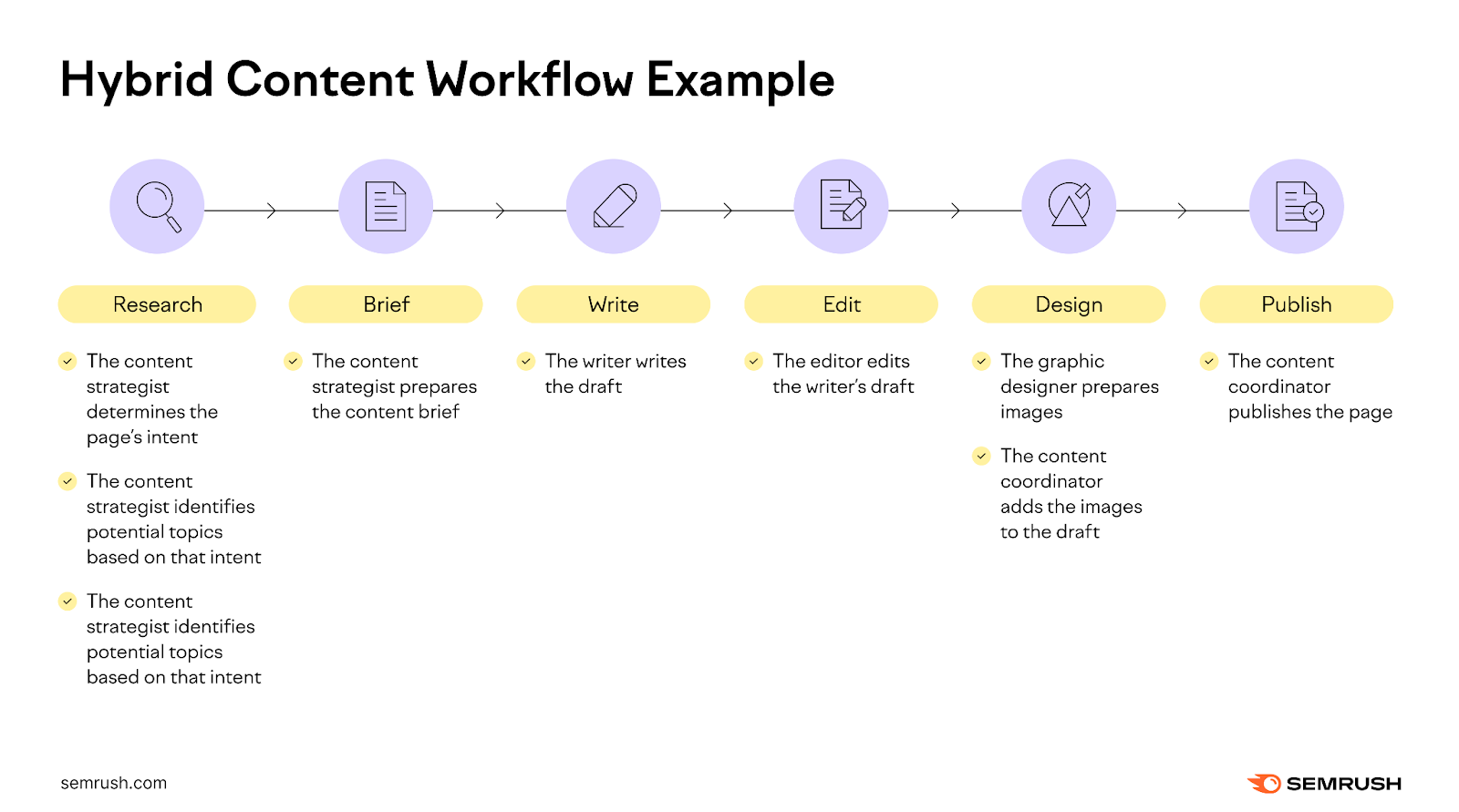
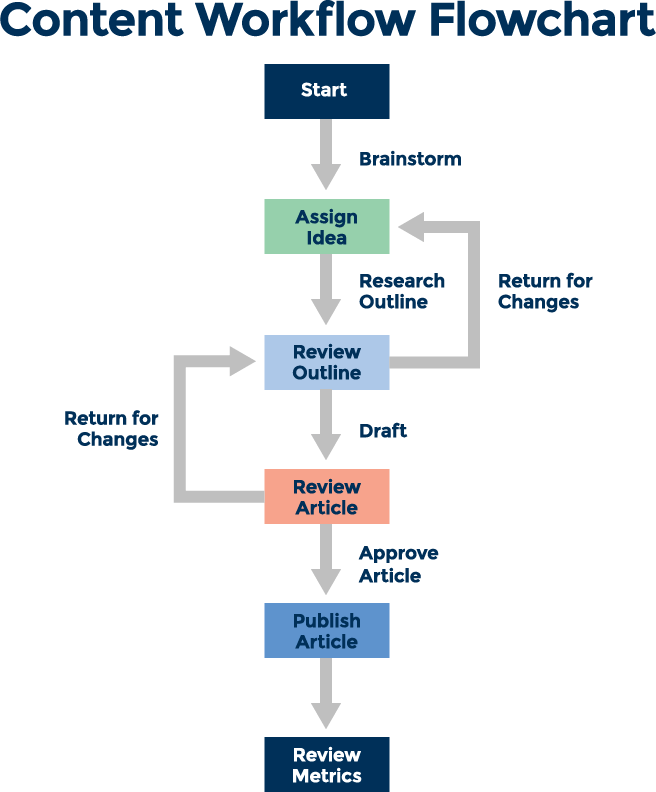
Establishing a standardized content creation workflow is paramount for efficiency and consistency. Define clear stages for every content piece, typically including research, outlining, drafting, editing, SEO optimization, and publishing. Documenting these steps ensures that everyone involved understands their roles and responsibilities, minimizing bottlenecks and reducing the need for extensive rework.
Implement practical tools such as content templates for different formats (e.g., blog posts, social media captions) and a comprehensive style guide to maintain brand voice and quality. Additionally, consider batching similar tasks; for instance, dedicate specific blocks of time to conduct all research for a week’s content or to schedule all social media posts. This approach improves focus and significantly reduces context-switching overhead.
Leveraging AI Tools for Enhanced Efficiency and Quality
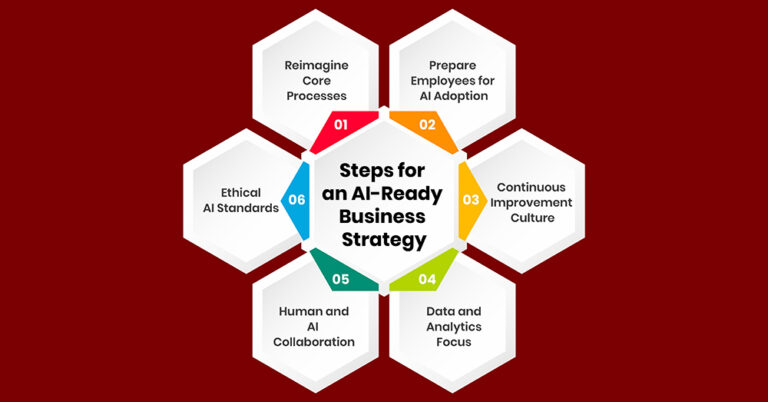
AI-powered tools are revolutionizing content creation, offering powerful assistance that complements human creativity. Utilize AI for initial topic generation, brainstorming ideas based on target keywords, and even drafting comprehensive outlines. These tools can rapidly analyze vast amounts of data to identify trends and content gaps, providing a strong, data-backed starting point for your content initiatives.
Beyond ideation, AI can assist with drafting initial content segments, optimizing headlines for SEO, and refining grammar and style. While AI-generated content always requires thorough human review and refinement to ensure accuracy, originality, and alignment with brand voice, it dramatically reduces the time spent on repetitive or foundational tasks. This frees creators to focus on strategic thinking, creative storytelling, and adding unique human insights.

The Power of Repurposing and Atomization
Maximizing the value of every content piece is a cornerstone of a sustainable content strategy. Instead of viewing content as a one-off creation, adopt a repurposing mindset. A single long-form blog post, for example, can be transformed into a series of social media updates, an engaging infographic, a concise video script, email newsletter snippets, or even a segment for a podcast.
Content atomization involves breaking down larger pieces into smaller, digestible units that cater to diverse audience preferences across various platforms. This approach not only extends the reach and lifespan of your core content but also significantly reduces the overall content burden. By strategically planning for repurposing from the outset, you can generate a wealth of high-quality assets from a single creative effort, ensuring consistent presence without constant new creation.

Building a Sustainable Content Ecosystem
True content sustainability extends beyond individual efforts to encompass a collaborative and supportive ecosystem. Foster clear communication and delegation within your team, leveraging individual strengths for research, writing, editing, and promotion. Regularly review content performance metrics to understand what resonates with your audience, allowing for data-driven adjustments to your strategy and continuous improvement.
Prioritize the well-being of your content creators by encouraging regular breaks, setting realistic expectations, and celebrating successes. A sustainable content strategy is not solely about output; it’s about cultivating an environment where creativity thrives without leading to exhaustion. By continuously learning, adapting, and supporting your team, you can build a robust content engine that consistently delivers quality and drives long-term business growth.


Leave a Comment