


The allure of AI for efficiency and cost reduction is undeniable. However, a strategy focused solely on replacing human workers with AI often overlooks significant downsides, leading to diminished customer experience, stifled innovation, and long-term business detriment. Smart businesses understand that AI’s true power lies in augmenting human capabilities, not eliminating them.
The Irreplaceable Human Touch & Emotional Intelligence
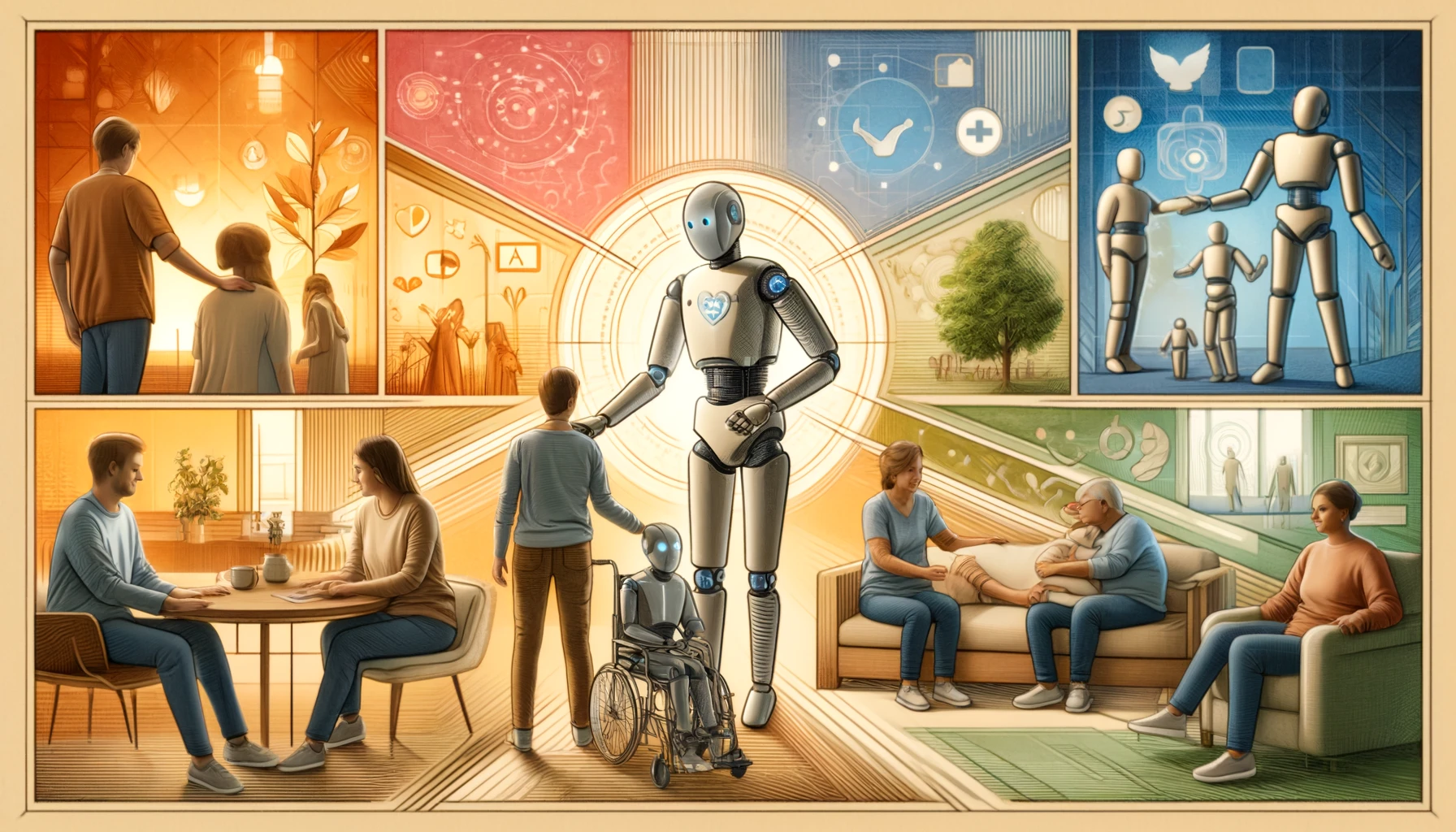
AI excels at processing data and automating repetitive tasks, but it fundamentally lacks emotional intelligence, empathy, and the nuanced understanding of human interaction. In customer service, sales, and complex negotiations, the ability to read between the lines, offer genuine comfort, or build rapport is crucial. Replacing these roles entirely with AI can lead to frustrated customers and a transactional, impersonal brand image.
Human employees bring intuition, cultural understanding, and the capacity for genuine connection that AI cannot replicate. This human element is vital for building trust, fostering loyalty, and resolving unique, emotionally charged situations that fall outside predefined algorithms. Losing this connection can severely impact customer satisfaction and retention.
Strategic Blind Spots & Lack of Contextual Understanding
AI systems operate based on the data they are trained on, making them excellent at pattern recognition but poor at handling novel situations or understanding broader strategic implications. They lack the ability to question assumptions, identify emerging market trends not yet reflected in data, or navigate complex ethical dilemmas that require human judgment and values.
Strategic decision-making requires more than just data analysis; it demands foresight, critical thinking, and an understanding of human behavior and societal shifts. Relying solely on AI for high-level strategy can lead to a narrow, data-driven perspective that misses crucial contextual nuances, potentially guiding a business down an inflexible or even detrimental path.

Impact on Innovation and Creativity
While AI can generate content or design variations, true innovation often stems from human creativity, serendipity, interdisciplinary thinking, and the ability to connect disparate ideas in novel ways. Humans possess the capacity for abstract thought, imagination, and the pursuit of entirely new concepts that don’t yet exist in any dataset.
Over-reliance on AI for creative tasks can lead to homogenization and a lack of truly groundbreaking ideas. Human teams, with their diverse perspectives and problem-solving approaches, are essential for brainstorming, developing unique solutions, and pushing the boundaries of what’s possible, fostering a culture of genuine innovation.

Employee Morale, Retention, and Brand Reputation
Aggressive AI-driven job displacement can severely damage employee morale, creating an atmosphere of fear and uncertainty. This not only impacts productivity but also makes it difficult to attract and retain top talent, as potential employees may view the company as uncaring or unstable. A high turnover rate incurs significant recruitment and training costs.
Furthermore, a company perceived as prioritizing machines over people can suffer reputational damage. Consumers and partners increasingly value ethical business practices. A brand known for wholesale job cuts due to AI might face public backlash, impacting customer loyalty and market perception. Maintaining a balance demonstrates a commitment to both innovation and its workforce.

The True Cost of AI Implementation and Maintenance
The initial investment in AI technology can be substantial, encompassing software licenses, hardware upgrades, and integration with existing systems. Beyond this, there are ongoing costs for data management, model training, system maintenance, and cybersecurity. Poor data quality or inadequate infrastructure can lead to significant operational inefficiencies and unexpected expenses.
Implementing AI also requires specialized talent for development, deployment, and oversight, which can be costly to hire or train. Without proper human supervision and ethical guidelines, AI systems can produce biased or erroneous outputs, leading to costly errors, legal liabilities, and reputational damage that far outweigh any perceived savings from human replacement.

The Power of Human-AI Collaboration: A Synergistic Approach
Instead of replacement, the most effective strategy is human-AI collaboration. AI can handle data analysis, automation of routine tasks, and pattern identification, freeing human employees to focus on higher-value activities requiring creativity, critical thinking, emotional intelligence, and strategic oversight. This synergy enhances productivity and job satisfaction.
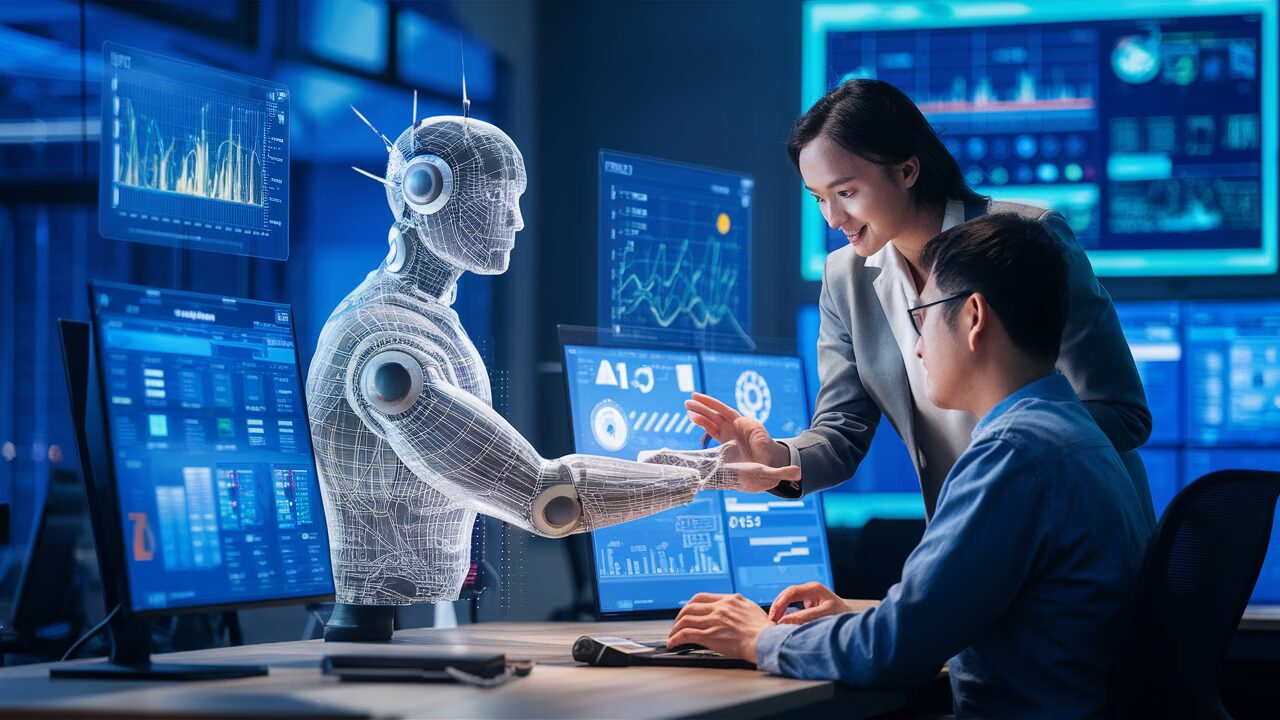
By leveraging AI as a powerful tool to augment human capabilities, businesses can achieve greater efficiency, deeper insights, and superior customer experiences. This approach fosters a resilient workforce, drives sustainable innovation, and positions the company for long-term growth by combining the best of both human ingenuity and artificial intelligence.



Leave a Comment