


When your business faces a tighter marketing budget, start by identifying which spending supports qualified demand, customer service, and contribution after delivery costs. This playbook helps you decide what to protect, test, reduce, or pause using your own evidence rather than a fixed downturn formula.
Our goal is to equip you with strategies that deliver tangible results, helping you optimize your existing efforts and identify new opportunities without overextending your team or budget. It’s about smart, resilient marketing that prioritizes impact over volume.
Sharpening Your Focus: Where to Invest Marketing Dollars
When economic headwinds hit, the first instinct might be to cut marketing across the board. That’s often a mistake. Instead, it’s time for a rigorous audit of your current spend, prioritizing channels and tactics with a proven, measurable return on investment. This isn’t about finding the cheapest option, but the most effective one for your specific business.
- Compare Demand Capture and Demand Creation: Review channel costs, sales cycles, customer quality, and how results are measured. A tracked last click is not proof of incremental return. Protect useful brand and customer education work where it supports demand, while bounding campaigns whose value you cannot yet establish.
- Optimize Existing Channels: Before exploring new platforms, squeeze more value from what you already use. Refine ad copy, A/B test landing pages, and improve conversion funnels. Even small percentage gains here compound significantly.
- First-Party Data is Gold: Leverage your customer data for hyper-segmentation in email and retargeting campaigns. Use only data you are authorized to process, respect communication preferences, and test relevance rather than assuming segmentation improves results.
The Retention Imperative: Nurturing Your Current Customers
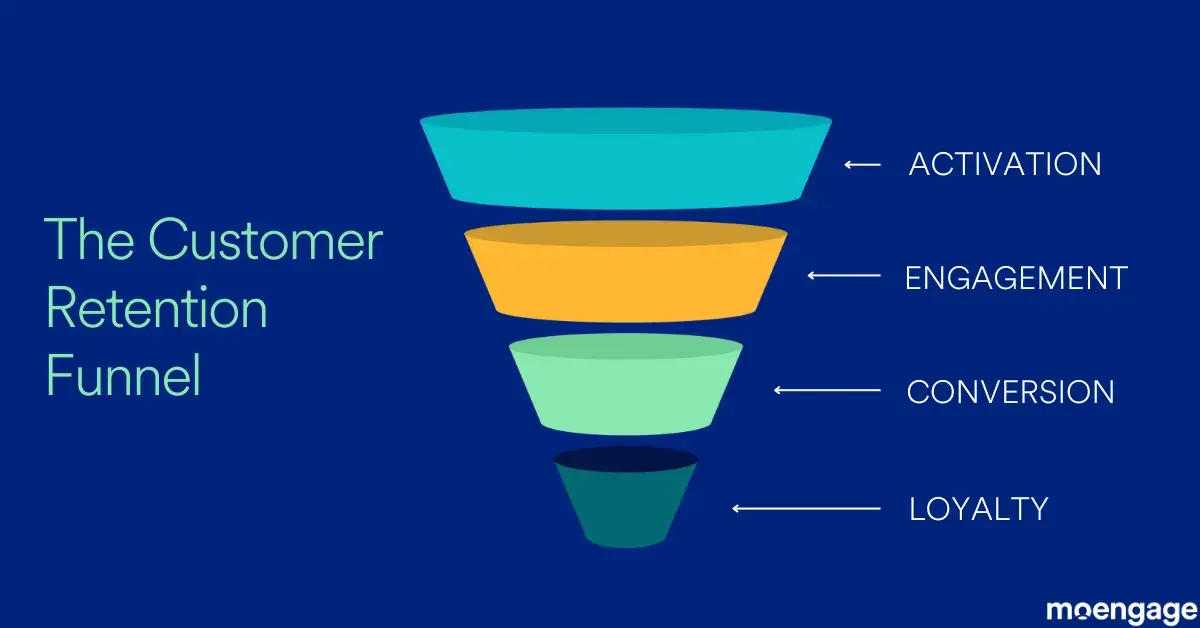
Compare retention and acquisition using your own marginal costs, customer needs, and contribution. Neither is automatically cheaper or more profitable. Your current customer base is your most valuable asset. Focus on strategies that foster loyalty, encourage repeat purchases, and turn satisfied customers into advocates.
- Enhanced Customer Service: This isn’t just a cost center; it’s a retention tool. Proactive support, personalized interactions, and quick resolution of issues build trust and reduce churn.
- Loyalty Programs and Exclusive Offers: Reward your best customers. Simple loyalty programs, early access to new products, or exclusive discounts can significantly boost repeat business.
- Personalized Communication: Use purchase history and engagement data to send relevant emails, product recommendations, and updates. Avoid generic blasts. This makes customers feel valued and understood.
- Feedback Loops: Actively solicit and respond to customer feedback. Show that you’re listening and willing to adapt. This builds a stronger relationship and helps you refine your offerings.
What often gets overlooked in the pursuit of these strategies are the hidden costs and delayed consequences of imperfect execution. For instance, “enhanced customer service” and “feedback loops” are only effective if they are genuinely resourced and integrated. Without dedicated time and clear processes, collecting feedback without acting on it, or promising proactive support that never materializes, doesn’t just fail to build trust—it actively erodes it. The perceived indifference from unaddressed issues or unfulfilled promises can be more damaging than no feedback mechanism at all, leading to a slow, silent churn that’s hard to diagnose.
Similarly, the theoretical benefits of “personalized communication” and “loyalty programs” can quickly turn into liabilities in practice. When customer data is fragmented, inaccurate, or simply not leveraged effectively, attempts at personalization can feel generic, intrusive, or even insulting. Sending an offer for a product a customer just bought, or recommending something completely irrelevant, signals a lack of understanding. This isn’t just a wasted marketing effort; it’s a missed opportunity to deepen a relationship and can lead to customers tuning out future communications entirely. Loyalty programs, if not consistently managed or if their perceived value is low, become administrative burdens with minimal engagement, failing to justify the effort.
The human element in small teams often exacerbates these issues. A single team member might be tasked with managing customer service, loyalty programs, and personalized outreach, all while juggling other critical responsibilities. The pressure to “do it all” with limited bandwidth inevitably leads to corners being cut. What starts as a strategic initiative can devolve into superficial efforts—a quick, generic email blast instead of a truly segmented one, or a perfunctory response to feedback rather than a thoughtful resolution. This operational strain creates internal frustration and, externally, a customer experience that is inconsistent and ultimately underwhelming, failing to deliver on the promise of retention.
Given these real-world constraints, a common pitfall for teams with limited bandwidth is attempting to implement every “best practice” simultaneously. For instance, while sophisticated, multi-tiered loyalty programs or AI-driven personalization engines might seem appealing, they often demand significant upfront investment in technology, data integration, and ongoing management that can quickly overwhelm a small team. The practical reality is that the benefit of that complexity needs to be measured against implementation and ongoing service costs. Prioritize consistent, reliable basics over elaborate systems that stretch resources thin and introduce unnecessary points of failure.
Content That Converts: Solving Problems, Not Just Publishing
In tough times, content marketing needs to move beyond general brand building and focus squarely on solving immediate customer problems and driving conversions. Every piece of content should have a clear purpose and a measurable impact on your business goals.
- Problem-Solution Content: Create articles, guides, and videos that directly address common pain points your target audience faces. Position your product or service as the clear solution.
- SEO for Intent: Prioritize keywords with high commercial intent. Focus on “buy,” “review,” “best,” “vs.” type queries where users are actively looking for solutions or making purchase decisions. Evaluate the actual query, audience need, and conversion path; a commercial-sounding phrase is not automatically the best opportunity. commercial intent keywords
- Case Studies and Testimonials: Social proof is more powerful than ever. Showcase how your product or service has helped real customers achieve tangible results. This builds credibility and trust.
- Repurpose and Update: Don’t constantly chase new content. Audit your existing high-performing content, update it with current information, and repurpose it into different formats (e.g., blog post to infographic, video script to email series). This maximizes your content investment.
What often gets overlooked in the push for conversion-focused content is the journey after the initial problem is addressed. Crafting a piece that perfectly articulates a pain point and offers a solution is only half the battle. If that solution isn’t seamlessly integrated with a clear, low-friction path to your product or service, the content becomes a dead end. You’ve educated, but not converted. This creates a hidden cost: resources spent on content that generates traffic but fails to move the needle on revenue, leading to frustration when analytics show engagement without corresponding sales.
Similarly, while prioritizing SEO for commercial intent is sound, it introduces a common failure mode: keyword cannibalization. In the rush to target “buy” or “best” queries, teams can inadvertently create multiple pieces of content competing for the same search terms. This can create overlapping pages that need review. Similar wording alone does not prove harmful query competition; compare intent and page/query evidence before combining pages. The pressure to hit commercial intent can also lead to thin, overly promotional content that lacks genuine value, failing to satisfy user intent or build trust, even if it initially ranks.
Beyond creating new content or repurposing, a significant downstream effect often neglected is the ongoing maintenance of your conversion-focused assets. Information ages, product features evolve, and competitor landscapes shift. A guide that was once a perfect solution can quickly become outdated, misleading, or simply less effective. Neglecting this continuous audit and update process means your content slowly decays in relevance and accuracy, eroding user trust and conversion rates over time. This isn’t just about SEO; it’s about maintaining credibility and ensuring the solutions you offer remain genuinely valuable and current.
Practical AI for Marketing Efficiency, Not Just Hype
AI tools are no longer futuristic; they’re practical aids for lean marketing teams. The key is to use them to automate repetitive tasks, gain insights faster, and augment your existing capabilities, not to replace human judgment or strategy. Focus on tools that offer immediate, tangible efficiency gains.
- AI for Content Generation (Drafting): Use AI writers to generate first drafts of blog posts, social media captions, or email copy. This significantly reduces the time spent on initial ideation and writing, allowing your team to focus on editing, refining, and strategic oversight.
- AI for Data Analysis: Leverage AI-powered analytics platforms to quickly identify trends, segment audiences, and predict customer behavior. This helps you make data-driven decisions faster without needing a dedicated data scientist.
- AI for Ad Optimization: Many ad platforms now incorporate AI to optimize bidding strategies, audience targeting, and ad placements. Test any automated feature against your objective, reliable conversion data, and a spending limit; activation alone does not establish efficiency.
- AI for Customer Support: Chatbots and AI-powered helpdesks can handle routine inquiries, freeing up your human support team for more complex issues and improving response times.
What to Deprioritize and Why
With limited resources, making tough choices about what to stop doing is as important as deciding what to start. Many common marketing activities, while valuable in ideal conditions, can become resource drains during challenging economic times. This isn’t about permanent abandonment, but strategic pausing.
Set spending limits according to cash needs, the sales cycle, customer obligations, and evidence quality. Pause a campaign when its expected value no longer justifies its total cost, rather than automatically cutting all brand activity. For uncertain channels, agree on a small test, a review date, and the conditions for continuing or stopping. Keep essential service information and customer support resourced while you evaluate demand.
- Extensive New Channel Exploration: Unless a new channel offers a clear, low-cost, high-potential entry point, avoid diverting resources from proven channels.
- Overly Ambitious Content Volume: Quality over quantity. Producing a high volume of mediocre content is less effective than a smaller amount of highly targeted, high-quality content.
- Complex, Long-Term Strategic Planning (without immediate action): While strategy is vital, avoid getting bogged down in theoretical long-term plans that don’t translate into actionable steps for the next quarter. Focus on agile, iterative planning.
Building a Flexible and Adaptable Marketing Foundation
Resilience isn’t just about surviving; it’s about building a marketing operation that can adapt quickly to changing market conditions. This requires a mindset of continuous testing, learning, and iteration, rather than rigid, long-term plans.
- Agile Marketing Principles: Adopt an agile approach. Work in shorter sprints, prioritize tasks based on immediate impact, and be prepared to pivot quickly based on performance data.
- Robust Analytics and Reporting: Ensure you have clear dashboards and reporting in place to track key performance indicators (KPIs) in real-time. This allows for rapid identification of what’s working and what isn’t. marketing cost and return measurement
- Cross-Functional Collaboration: Break down silos between marketing, sales, and customer service. Aligned teams can identify customer needs and market shifts faster, leading to more effective campaigns.
- Invest in Skills, Not Just Tools: While tools are important, invest in upskilling your team in areas like data analysis, conversion rate optimization, and AI tool proficiency. A skilled team is your most adaptable asset.
Record the Budget Decision
For each activity, note its job, total spend including staff time, sales-cycle lag, qualified outcomes, measurement gaps, and an owner. Choose protect, test, reduce, or pause and record the evidence that would change that decision. Use the channel selection guide and limited-budget marketing plan to connect the review to a manageable next action. Do not infer financial return from impressions, clicks, or a tool’s attribution report alone.



Leave a Comment