


Beyond the Blue Links: Understanding Modern Search Visibility
For small to mid-sized businesses, simply ranking number one for a handful of keywords isn’t enough to capture meaningful search visibility today. The search landscape has evolved, offering multiple pathways for users to find answers and businesses. This article cuts through the noise to show you how to strategically target these diverse visibility points, ensuring your limited resources are focused on what genuinely drives engagement and conversions, not just vanity metrics. You’ll learn where to focus your efforts to get your business seen, even when direct top-of-page organic rankings remain elusive.
Modern search visibility extends far beyond the traditional ten blue links. Today, users encounter Featured Snippets, People Also Ask sections, Local Packs, Image and Video results, and increasingly, AI Overviews. For businesses operating with limited budgets and headcount, understanding these diverse entry points is critical. It means more opportunities to appear prominently, even if you’re not the top organic result, and often, these alternative placements offer higher click-through rates and direct answers.
Prioritizing Rich Results and Featured Snippets
Rich results and Featured Snippets offer a direct path to prime search real estate, often appearing above traditional organic listings. For SMBs, targeting these isn’t about outspending competitors; it’s about providing the clearest, most concise answers to specific user queries.
- Structured Data Implementation: Use Schema.org markup to clearly define your content’s type – whether it’s a product, service, FAQ, recipe, or local business. This helps search engines understand your content’s context and display it in rich formats. Prioritize marking up your most important business information, products, and FAQs first.
- Q&A Format for Snippets: Many Featured Snippets are direct answers to questions. Structure your content to explicitly answer common questions in a concise paragraph (around forty to sixty words) immediately following the question. Think about “how-to,” “what is,” and “best X for Y” queries relevant to your business.
- List and Table Formats: For content that lends itself to lists or tables, ensure they are well-formatted in HTML. Search engines often pull these directly into snippets.
Practitioner Judgment: Focus your efforts on high-value, direct-answer queries where your business can genuinely be authoritative. Don’t try to create snippets for every single keyword. Identify the questions your ideal customers are asking and provide the definitive answer on your site. This is a high-leverage activity for visibility.
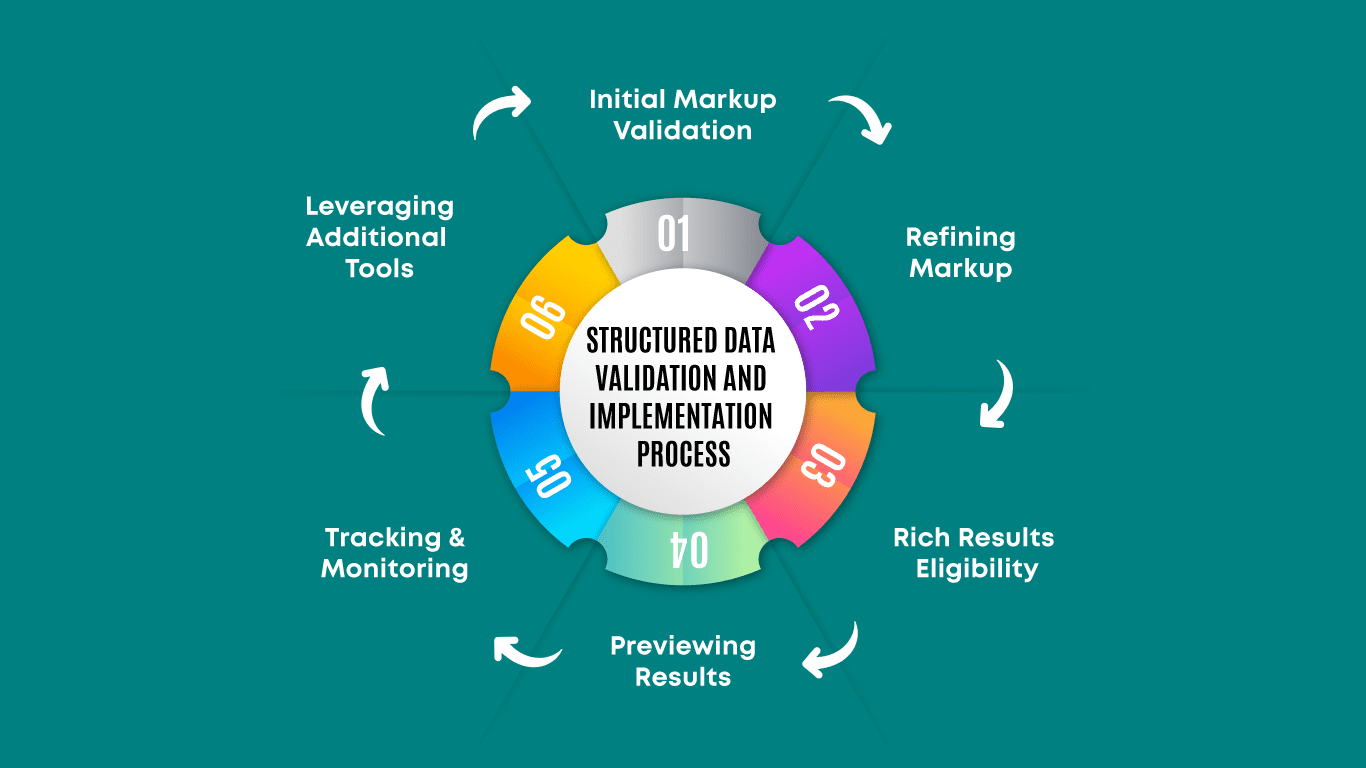
While the initial implementation of structured data is a clear task, the ongoing maintenance is often underestimated. Schema.org definitions evolve, and your site content changes. Without a dedicated process for regular audits and updates, structured data can quickly become stale or even invalid. This leads to a reactive scramble when errors are flagged, consuming valuable time from already stretched teams. The theoretical “set it and forget it” rarely holds true in practice, creating a hidden, recurring operational cost.
The directive to provide concise answers for snippets sounds simple, but it’s a common point of friction. Crafting a truly definitive answer in 40-60 words without oversimplifying or losing critical context is difficult. Teams often find themselves in endless editing loops, trying to balance brevity with comprehensiveness. The pressure to “win” a snippet can lead to answers that are either too vague to be useful or still too long to qualify, undermining the effort and causing internal frustration.
A non-obvious consequence of winning a rich result or featured snippet is the potential impact on click-through rates. While increased visibility is the goal, if your snippet perfectly answers the user’s query, they may not feel the need to click through to your site. This isn’t necessarily a failure—it builds authority and brand awareness—but it can create internal tension if traffic volume is the primary metric. Teams need to understand this trade-off and align on the true value of snippet presence beyond immediate clicks.
Dominating Local Search for Immediate Impact
For businesses with a physical location or a service area, local search visibility is often the most direct route to customer acquisition. It’s a non-negotiable priority for SMBs.
- Google Business Profile (GBP) Optimization: This is your digital storefront. Ensure your GBP is one hundred percent complete, accurate, and regularly updated. Include high-quality photos, precise business hours, services offered, and a detailed description. Encourage customers to leave reviews and respond to every one, positive or negative.
- Consistent NAP Information: Ensure your Name, Address, and Phone number (NAP) are identical across your website, GBP, and all online directories. Inconsistencies confuse search engines and erode trust.
- Local Citations and Directories: List your business on relevant local directories and industry-specific platforms. Quality over quantity here; focus on reputable sites.
- Geotargeted Content: Create content that specifically addresses local needs or events. Blog posts like “Best [Your Service] in [Your City]” or “Guide to [Local Event] by [Your Business]” can significantly boost local relevance.
Practitioner Judgment: For local businesses, GBP is often more impactful than traditional organic rankings for driving foot traffic or service calls. Treat it as a primary marketing channel, not an afterthought. Consistent effort here yields disproportionate returns.
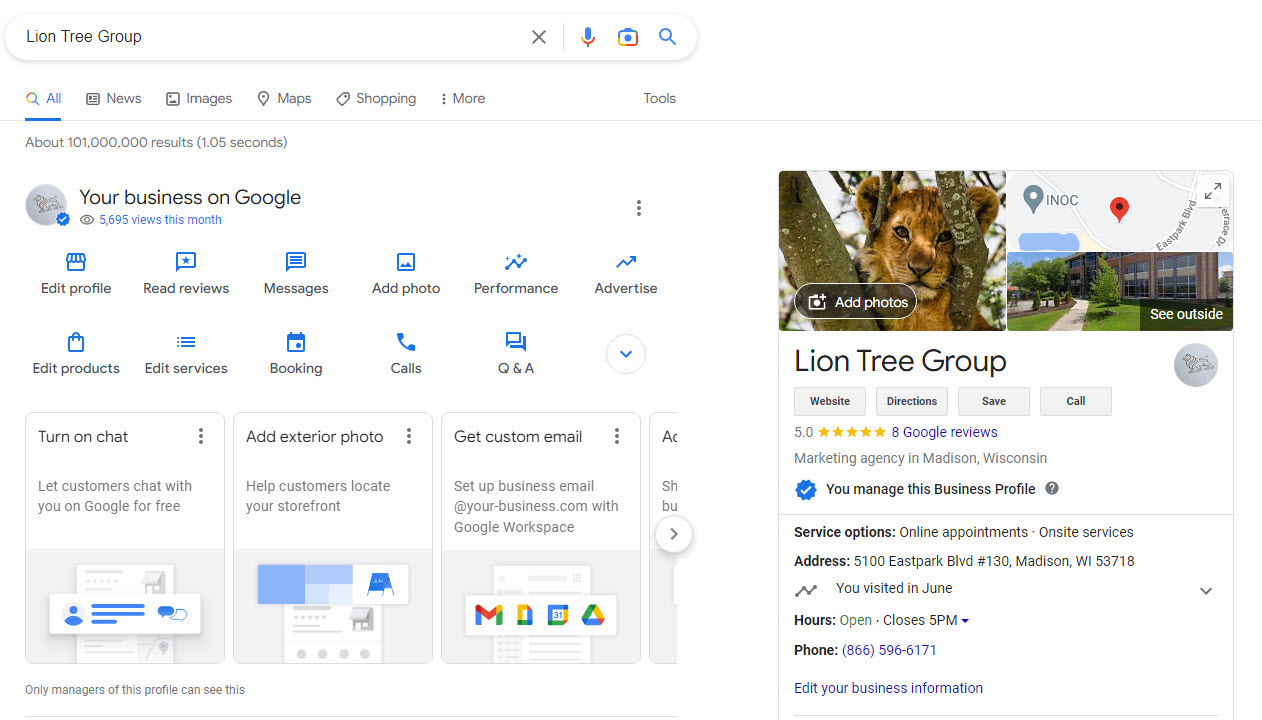
What often gets overlooked in the pursuit of local visibility is the ongoing maintenance burden. Ensuring NAP consistency, for instance, isn’t a one-time audit; it’s a continuous battle against outdated directories and platform changes. The hidden cost here is the team’s time spent chasing down and correcting erroneous listings, which can feel like a Sisyphean task. More critically, inconsistent information doesn’t just confuse search engines; it actively frustrates potential customers who might call a disconnected number or drive to an old address, leading directly to lost business and a damaged first impression.
Similarly, while encouraging and responding to reviews is crucial, the practical execution presents its own challenges. The theory suggests a simple “respond to every one,” but in practice, generic or rushed responses can do more harm than good. Teams often face pressure to respond quickly, especially to negative feedback, which can lead to defensive or unhelpful replies that escalate the situation. The true value comes from thoughtful, empathetic engagement that addresses specific points, a process that demands time and emotional intelligence, often underestimated in its resource requirements.
Finally, while geotargeted content holds significant promise, its consistent execution is where many SMBs falter. It’s easy to brainstorm a few local topics, but sustaining a stream of genuinely valuable, non-generic content that resonates with the local community requires ongoing research and dedicated writing resources. Without this sustained effort, local content can quickly become thin and ineffective, failing to capture the intended local relevance. For teams with limited bandwidth, prioritizing the foundational elements like GBP optimization and NAP consistency often yields more immediate and reliable returns than a sporadic, under-resourced content strategy.
Adapting to AI-Powered Search Overviews
With the increasing prominence of AI Overviews in search results (as of May 2026), content strategy needs to adapt. These AI-generated summaries aim to provide direct answers, often synthesizing information from multiple sources.
- Authoritative, Well-Structured Content: AI models prioritize clear, factual, and well-organized information. Ensure your content is easy to read, uses clear headings, and provides direct answers to potential user queries.
- Focus on E-E-A-T: Emphasize Experience, Expertise, Authoritativeness, and Trustworthiness. Demonstrate your credentials, cite sources where appropriate, and ensure your content is factually accurate. AI models are trained on vast datasets and can discern credible sources.
- Anticipate and Answer Complex Questions: AI Overviews often tackle more nuanced queries. Structure your content to address multi-faceted questions comprehensively yet concisely, breaking down complex topics into digestible parts.
Practitioner Judgment: Don’t try to “trick” the AI. Instead, focus on creating genuinely helpful, high-quality content that a human expert would write. The best way to appear in an AI Overview is to be the most reliable and clear source of information on a given topic. Google Search Central guidelines for helpful content
Content Strategy for Diverse Search Intents
Moving beyond single keyword optimization means understanding the user’s intent behind a search query. Your content needs to serve various stages of the customer journey.
- Informational Intent: Users seeking answers or general knowledge. Create blog posts, guides, and FAQs that provide comprehensive, unbiased information.
- Navigational Intent: Users looking for a specific website or page. Ensure your site structure is clear and your brand name is prominent.
- Transactional Intent: Users ready to buy. Optimize product pages, service pages, and landing pages with clear calls to action, pricing, and benefits.
- Commercial Investigation Intent: Users researching products or services before making a decision. Develop comparison guides, reviews, and detailed product/service descriptions that highlight unique selling propositions.
Practitioner Judgment: Prioritize content that addresses immediate pain points or common questions your target audience has, especially those with commercial investigation or transactional intent. These are closer to conversion and offer a better return on your content investment for SMBs.
What to Deprioritize Today (and Why)
With limited resources, knowing what to skip is as important as knowing what to do. Today, small to mid-sized businesses should deprioritize chasing every minor algorithm update with reactive, panic-driven changes. Search engines value consistent quality and user experience over quick fixes. Instead of over-optimizing for vanity metrics like keyword density percentages, focus on creating genuinely helpful content for your audience. Furthermore, delay extensive, complex link-building campaigns if your foundational on-page and technical SEO are not yet solid. Building links on a weak foundation is inefficient; a strong site structure and quality content will naturally attract links over time. Your budget and time are better spent on the high-leverage activities discussed above.
Building a Holistic Visibility Framework
Maximizing search visibility in today’s landscape requires an integrated approach. It’s not about choosing one strategy over another, but understanding how they complement each other. Start by solidifying your local presence, then systematically target rich results for your most valuable content. Continuously adapt your content to meet the demands of AI-powered search, always prioritizing user intent and experience. Regularly monitor your performance across all these visibility points, not just traditional rankings, to identify opportunities and refine your strategy. This pragmatic, multi-faceted approach ensures your business remains visible and competitive, even with operational limitations.

Leave a Comment