


For small to mid-sized businesses, every marketing dollar and hour counts. This article cuts through the noise to provide actionable strategies for crafting campaigns that genuinely engage your target audience, even with limited budgets and headcount. You’ll learn how to prioritize your efforts, make smart trade-offs, and build campaigns that deliver real-world results, not just fleeting attention.
We’ll focus on what actually moves the needle: understanding your audience deeply, simplifying your message, and choosing channels strategically. By the end, you’ll have a clearer roadmap for developing memorable campaigns that stand out and drive your business forward.
Beyond the Buzz: Defining “Memorable” for SMBs
Forget viral sensations and multi-million dollar ad buys. For an SMB, a “memorable” campaign isn’t about widespread fame; it’s about effective recall and action within your specific target market. It means your audience remembers your message when they need your product or service, and it compels them to take the next step. This requires clarity, relevance, and a direct solution to a problem they face.
- Clarity: Can your audience grasp your core message in five seconds?
- Relevance: Does it speak directly to their pain points or aspirations?
- Actionability: Is the next step obvious and easy to take?
Prioritize these three elements over chasing fleeting trends or trying to be everything to everyone. Your competitive advantage comes from being the clear, relevant choice for your ideal customer.
Prioritizing Your Campaign Foundation: What Matters Most
Before you write a single headline or design an ad, lay a solid foundation. This isn’t optional; it’s where your limited resources yield the highest return.
Deep Audience Insight
This is non-negotiable. You must understand who you’re talking to. Go beyond demographics. What are their daily challenges? What keeps them up at night? What are their aspirations? How do they make purchasing decisions? This insight informs every other decision. Spend time on this upfront; it saves countless hours later. Talk to existing customers, analyze support tickets, and review social media conversations. how to create customer personas
Clear, Singular Value Proposition
What unique problem do you solve, and how do you solve it better than anyone else? Your campaign must communicate this concisely. Avoid jargon. If you try to highlight five benefits, your audience will remember none. Pick one compelling benefit and hammer it home.
Single, Achievable Goal
Every campaign needs one primary objective. Is it lead generation, brand awareness, product launch, or customer retention? Trying to achieve multiple, disparate goals with a single campaign dilutes its focus and makes measurement impossible. Define one clear, measurable goal before you start.
What to deprioritize today: For SMBs, resist the urge to immediately implement complex multi-channel attribution models or A/B test every minor element of your campaign. While valuable in theory, these often consume significant time and resources that are better spent solidifying your core message and reaching your primary audience effectively. Focus on getting the fundamental message and channel right first; advanced optimization can follow once you have a working model.
The real cost of a superficial audience understanding isn’t just wasted ad spend; it’s the erosion of team confidence when seemingly well-crafted campaigns consistently underperform. This often stems from internal pressure to move quickly, bypassing the ‘unsexy’ work of true insight gathering. Similarly, a value proposition that lacks singularity often reflects internal disagreement more than a strategic choice. When marketing, sales, and even product teams can’t align on the core problem solved, the external message becomes a muddled compromise, confusing prospects and creating friction across the customer journey.
Beyond making measurement impossible, attempting to achieve multiple, disparate goals with a single campaign creates a dangerous illusion of activity. Teams might report on whichever metric shows positive movement, inadvertently masking the failure to achieve the *primary* objective. This ‘success theater’ delays critical learning, perpetuates inefficient spending, and makes it harder to pivot when necessary. The pressure to justify budget often pushes teams to set overly ambitious or numerous goals, leading to a constant state of perceived underperformance and internal blame, even when a focused effort could have delivered clear wins.
Crafting the Core Message: Simplicity Wins
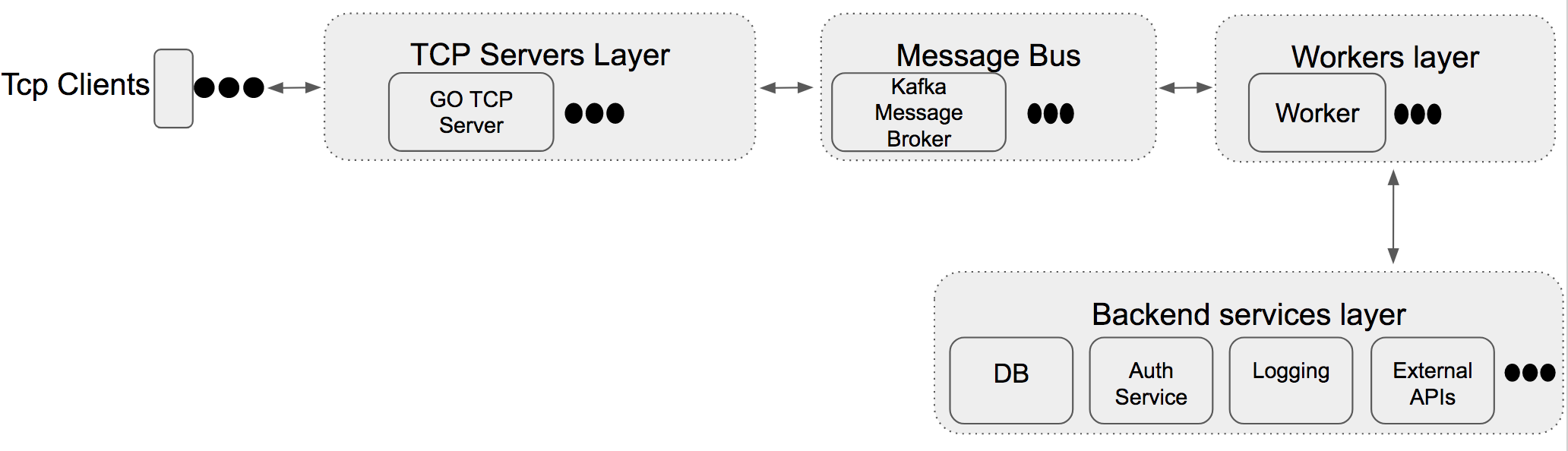
Once you understand your audience and your goal, distill your offering into a simple, compelling message. This is where engagement is won or lost.
- Focus on one big idea: What’s the single most important thing you want your audience to take away?
- Speak to emotion, not just features: People buy solutions to problems or ways to achieve aspirations. How does your product or service make their life better, easier, or more fulfilling?
- Tell a simple story: Even a brief narrative can be powerful. How does a customer’s life change after using your product? This doesn’t require a Hollywood budget; it requires empathy.
What sounds simple in theory—’focus on one big idea’—is often the hardest part in practice. The gravitational pull to include ‘just one more’ benefit or feature is immense, especially when multiple stakeholders have their own priorities. This isn’t just about being verbose; it’s a direct consequence of internal pressure to satisfy everyone, which inevitably dilutes the core message and increases cognitive load on the audience.
The hidden cost of this message bloat isn’t immediately apparent. A complex message doesn’t just confuse the audience; it creates significant operational drag downstream. Training sales teams, developing consistent ad creative across channels, or even ensuring customer service reps can articulate the value proposition becomes exponentially harder. Each additional point of complexity introduces friction, slows down execution, and ultimately, reduces the overall effectiveness of your marketing efforts, even if individual components are strong.
For small to mid-sized teams, this means making tough calls. It’s not about ignoring other valuable aspects of your offering, but rather understanding that for initial engagement, less is truly more. Deprioritize anything that doesn’t directly support that single, most compelling idea. You can always introduce secondary benefits later, but if the primary message isn’t clear and impactful, those secondary points will never get heard.
Channel Selection: Where Your Audience Lives
Don’t chase every shiny new platform. Your limited budget and headcount demand strategic channel choice. Go where your ideal customers already spend their time and are receptive to your message.
- Research audience habits: Are they on LinkedIn, Instagram, TikTok, or reading industry blogs?
- Prioritize 1-2 primary channels: Master a couple of channels rather than spreading yourself thin across many. This allows for deeper engagement and more effective resource allocation.
- Consider paid vs. organic: Organic reach is challenging today. Paid channels offer immediate visibility and precise targeting, which can be crucial for SMBs needing quick results. Use organic for building long-term authority and community, but don’t rely solely on it for immediate campaign impact.
Execution & Iteration: The Real-World Loop
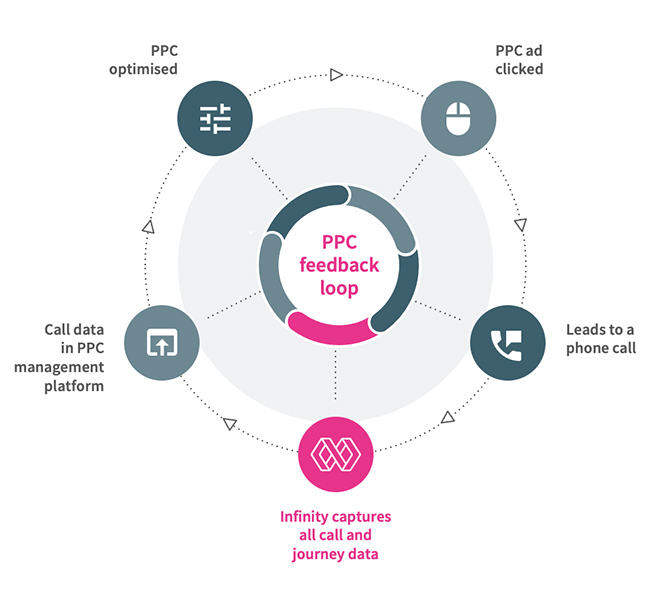
No campaign is perfect on day one. The real advantage comes from launching, learning, and adapting quickly.
- Launch with a “good enough” mindset: Don’t delay indefinitely striving for perfection. Get your campaign out there.
- Measure key metrics: Focus on metrics directly tied to your single campaign goal. If it’s lead generation, track leads. If it’s awareness, track reach and engagement. Avoid vanity metrics that don’t inform decisions.
- Learn and adapt: Analyze what’s working and what isn’t. Be prepared to tweak your message, targeting, or even your chosen channel based on real-world data. This iterative approach is far more effective for SMBs than a “set it and forget it” strategy.
Sustaining Momentum: Beyond the Initial Spark
A memorable campaign isn’t a one-off event. It’s about building consistent, valuable interactions over time. For SMBs, this means smart content repurposing and community engagement.
- Repurpose your core message: Turn a successful ad copy into a blog post, an email series, or a social media graphic. Don’t reinvent the wheel for every piece of content. content repurposing strategies
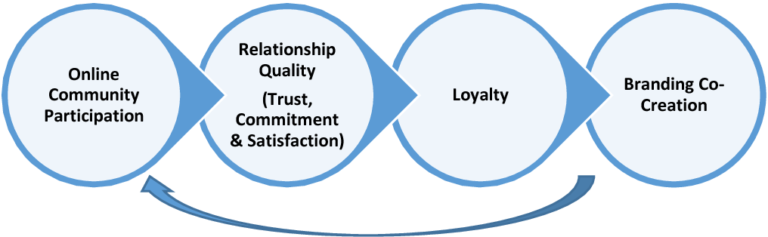
- Engage with your audience: Respond to comments, answer questions, and foster a sense of community. This builds loyalty and reinforces your brand’s value long after the initial campaign push.
- Plan for follow-up: What happens after someone engages with your campaign? Have a clear path for nurturing leads or encouraging repeat business.

Leave a Comment