


For small to mid-sized businesses, content creation and optimization often feel like a constant uphill battle against limited time and resources. This article cuts through the noise to show you how AI tools can become a force multiplier, not a replacement, for your marketing efforts. You’ll learn where to strategically deploy AI to improve content quality, boost SEO performance, and drive tangible business results, all while operating within real-world constraints.
We’ll focus on practical applications that deliver measurable impact, helping you make informed decisions about what AI tools to adopt today, what to delay, and what to avoid entirely.
Where AI Delivers Real Value in Content Optimization
AI isn’t a magic bullet, but it excels at specific, high-volume, data-intensive tasks that bog down marketing teams. For content, its primary value lies in accelerating research, enhancing relevance, and improving the technical quality of your output. This translates directly into better search engine visibility, more engaging copy, and ultimately, a stronger connection with your audience.
- Accelerated Research: Quickly analyze competitor content, identify trending topics, and uncover relevant keywords.
- Enhanced Relevance: Ensure your content directly addresses user intent and aligns with current search trends.
- Improved Quality: Refine grammar, readability, and tone, making your content more professional and impactful.

Prioritizing AI Tools for Immediate Impact
Given limited budgets and headcount, the smart move is to invest in AI tools that offer the quickest, most measurable returns. Focus on capabilities that directly address common content bottlenecks.
AI for SEO Keyword Research and Content Briefs: This is arguably the most critical starting point. Tools like Surfer SEO, Clearscope, or the AI features within SEMrush and Ahrefs can analyze top-ranking content for target keywords, identify semantic terms, and suggest optimal content structures. They don’t just give you keywords; they provide a data-driven blueprint for what your content needs to cover to rank. This saves hours of manual research and significantly improves your chances of ranking from day one.
- Action: Use AI to generate comprehensive content briefs that outline target keywords, subtopics, word count estimates, and competitor analysis.
- Benefit: Ensures every piece of content is strategically aligned with SEO goals before a single word is written.
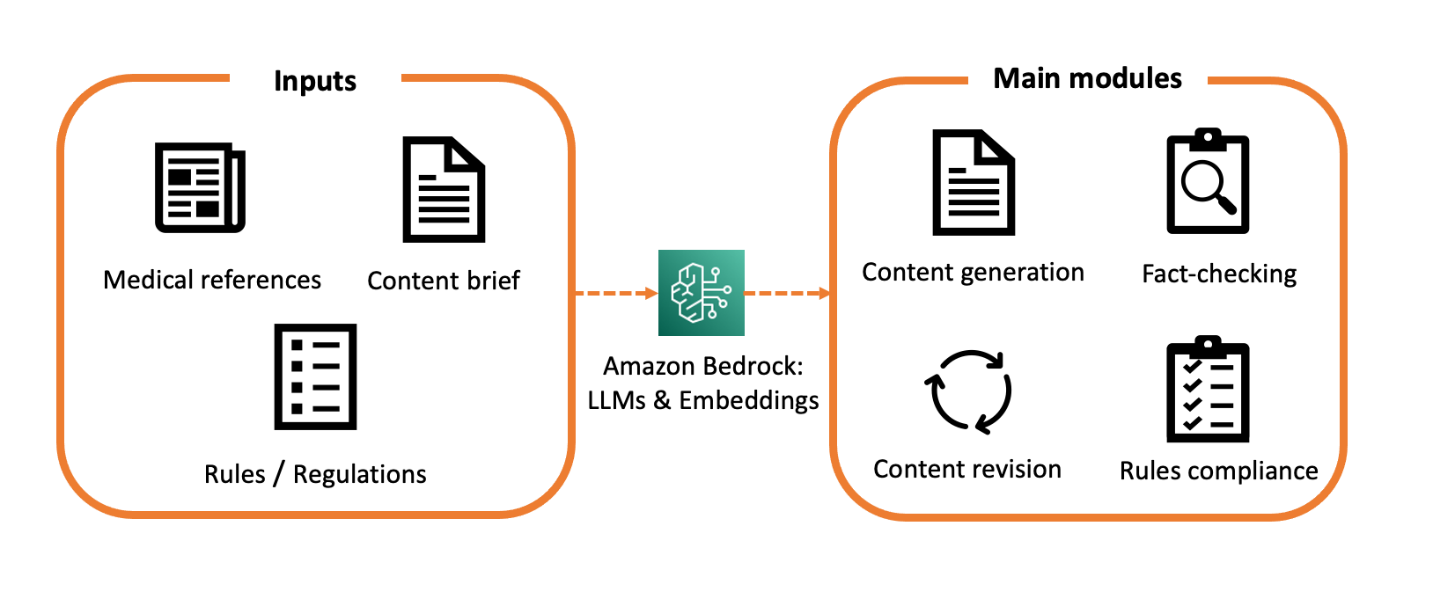
AI for Content Generation (Drafting and Expansion): While full automation is risky, using AI for drafting initial outlines, expanding on bullet points, or generating variations of headlines and meta descriptions is incredibly efficient. Tools like Jasper, Copy.ai, or even advanced features in platforms like HubSpot can kickstart the writing process. Think of them as highly capable assistants, not primary authors. The goal here is to overcome writer’s block and accelerate the first draft, freeing up your team for critical editing and human-centric refinement.
- Action: Leverage AI to generate initial drafts for blog sections, social media posts, or email copy.
- Benefit: Reduces the time spent on initial content creation, allowing human writers to focus on adding nuance, brand voice, and strategic depth.
AI for Content Refinement (Readability, Tone, Grammar): Before publishing, every piece of content needs a polish. AI-powered tools like Grammarly Business, Writer.com, or the editing features in Google Docs can check for grammatical errors, improve sentence structure, and even adjust the tone to match your brand voice. This ensures consistency and professionalism across all your marketing materials, which is crucial for building trust and credibility.
- Action: Run all content through an AI refinement tool to catch errors and improve clarity.
- Benefit: Elevates the overall quality and professionalism of your content with minimal effort.
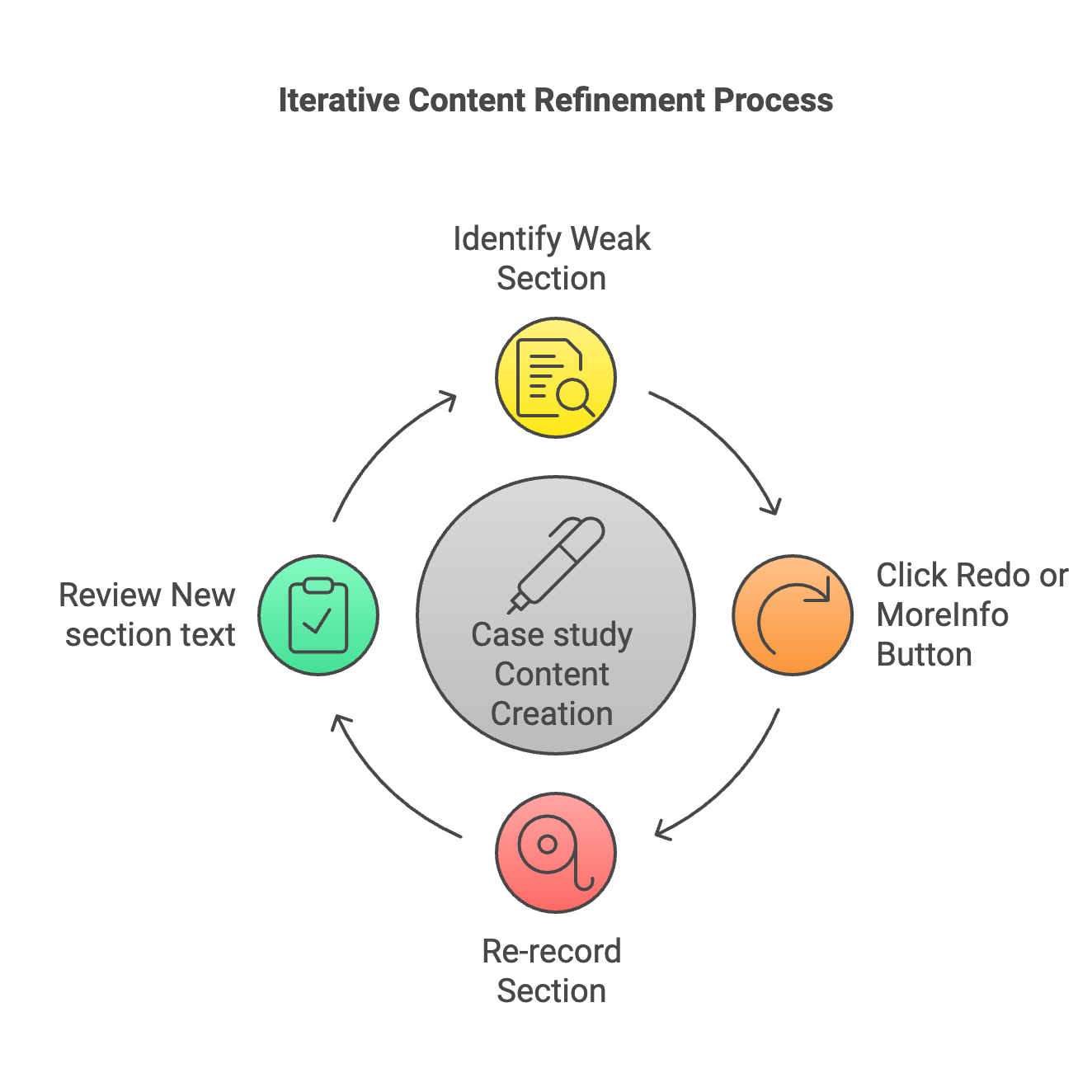
While AI for content generation offers a clear speed advantage, it’s easy to underestimate the subsequent human effort required. The ‘critical editing and human-centric refinement’ isn’t just a quick proofread; it often involves significant rewriting to inject true brand voice, unique insights, and strategic depth. The hidden cost here is the potential for content bloat – a rapid increase in quantity without a proportional increase in quality, which can dilute your brand’s authority over time. Teams might find themselves drowning in AI-generated drafts that require more human intervention than initially anticipated, shifting the bottleneck rather than eliminating it.
For AI-driven SEO keyword research, the practical challenge lies in distinguishing between a technically optimized brief and a truly strategic one. While AI excels at identifying what currently ranks, it operates on existing data. This means it can inadvertently steer content towards generic, competitive topics that merely echo what’s already out there, rather than uncovering emerging long-tail opportunities or unique angles that require human intuition and market understanding. The risk is producing content that is ‘correct’ by AI standards but fails to differentiate your brand or capture new audience segments, leading to diminishing returns on content investment.
Regarding AI for content refinement, while these tools are invaluable for catching errors and ensuring consistency, they introduce a different kind of decision pressure. AI often optimizes for a generic ‘best practice’ in readability and tone, which can inadvertently flatten a distinct brand voice or remove intentional stylistic choices. Teams face the dilemma of accepting AI’s suggestions for efficiency versus spending additional time overriding them to preserve unique brand nuances. Over-reliance can lead to content that is technically perfect but lacks the human touch and personality essential for genuine connection, creating a subtle, delayed consequence on brand perception.
What to Deprioritize (and Why)
In a resource-constrained environment, knowing what to skip is as important as knowing what to do. Today, you should deprioritize or completely avoid fully automating your content creation without significant human oversight and editing. Relying solely on AI to generate entire articles from scratch, especially for core evergreen content, often leads to generic, unoriginal, or even factually incorrect output. While AI excels at drafting, it lacks the nuanced understanding of your brand voice, audience empathy, and strategic insight that only a human practitioner can provide. The time saved by full automation is often negated by the extensive editing required to make the content truly valuable and unique, or worse, by the damage done to your brand’s authority if low-quality content is published.
The perceived efficiency of AI often masks a different kind of inefficiency. Instead of writing, teams frequently find themselves in a constant state of heavy editing, which can be more mentally draining and time-consuming than starting from a blank page. This isn’t just about correcting grammar or typos; it’s about injecting strategic intent, brand personality, and genuine insight that the AI simply cannot generate. The frustration of repeatedly re-engineering an AI’s generic output can lead to burnout, project delays, and a general disengagement from the content creation process itself.
Furthermore, a subtle but significant long-term risk is the erosion of internal content capabilities. When teams lean too heavily on AI for initial drafts and ideation, they risk atrophying their own strategic thinking, research, and unique voice development skills. Over time, this can lead to a dependency where the human team becomes less adept at crafting truly original, impactful content, making them more vulnerable to the limitations of the AI itself. This diminishes the institutional knowledge base and makes it harder to pivot or innovate when AI tools inevitably evolve or fall short.
Another easily overlooked pitfall is the ‘good enough’ trap. Under constant pressure to produce volume, teams might accept AI-generated content that is merely passable, rather than truly excellent or differentiated. This gradual lowering of the bar can subtly degrade the overall quality standard of your content output, diminishing your brand’s authority and distinctiveness over time without a clear, immediate crisis point. The audience, while perhaps not articulating it, will sense a lack of genuine voice and unique value, leading to decreased engagement and trust in the long run.
Integrating AI into Your Existing Workflow
The key to successful AI adoption isn’t ripping out your current process; it’s augmenting it. Start small, integrate AI into specific bottlenecks, and measure the impact.
- Identify Bottlenecks: Where does your content process slow down? Is it research, drafting, or editing?
- Pilot a Tool: Select one AI tool that addresses a specific bottleneck and run a small pilot project.
- Train Your Team: Ensure your team understands how to use the tool effectively and, crucially, how to critically evaluate AI-generated output.
- Establish Review Processes: Implement a human review layer for all AI-assisted content to maintain quality and brand voice.
- Iterate and Expand: Based on your pilot’s success, gradually integrate more AI tools or expand their use.
Measuring Success and Iterating
AI tools are investments, and like any investment, their performance needs to be tracked. Focus on metrics that directly reflect your content goals.
- Time Savings: Track how much faster content is produced from brief to publish.
- SEO Performance: Monitor keyword rankings, organic traffic, and search visibility for AI-optimized content. Tools like SEO analytics or keyword ranking tracker are essential here.
- Engagement Metrics: Look at bounce rate, time on page, and social shares.
- Conversion Rates: Ultimately, does the optimized content lead to more leads or sales?
Regularly review these metrics to understand what’s working and where adjustments are needed. AI is a tool for continuous improvement, not a set-it-and-forget-it solution.
The Evolving Landscape of Content Optimization
The pace of AI development means that tools and capabilities will continue to evolve rapidly. For small to mid-sized businesses, staying agile and focusing on practical applications remains paramount. The core principle won’t change: AI should empower your team to create more impactful, relevant content, not replace the strategic thinking and human connection that defines effective marketing. Embrace AI as a partner in efficiency and insight, always prioritizing the human touch that truly resonates with your audience.

Leave a Comment