

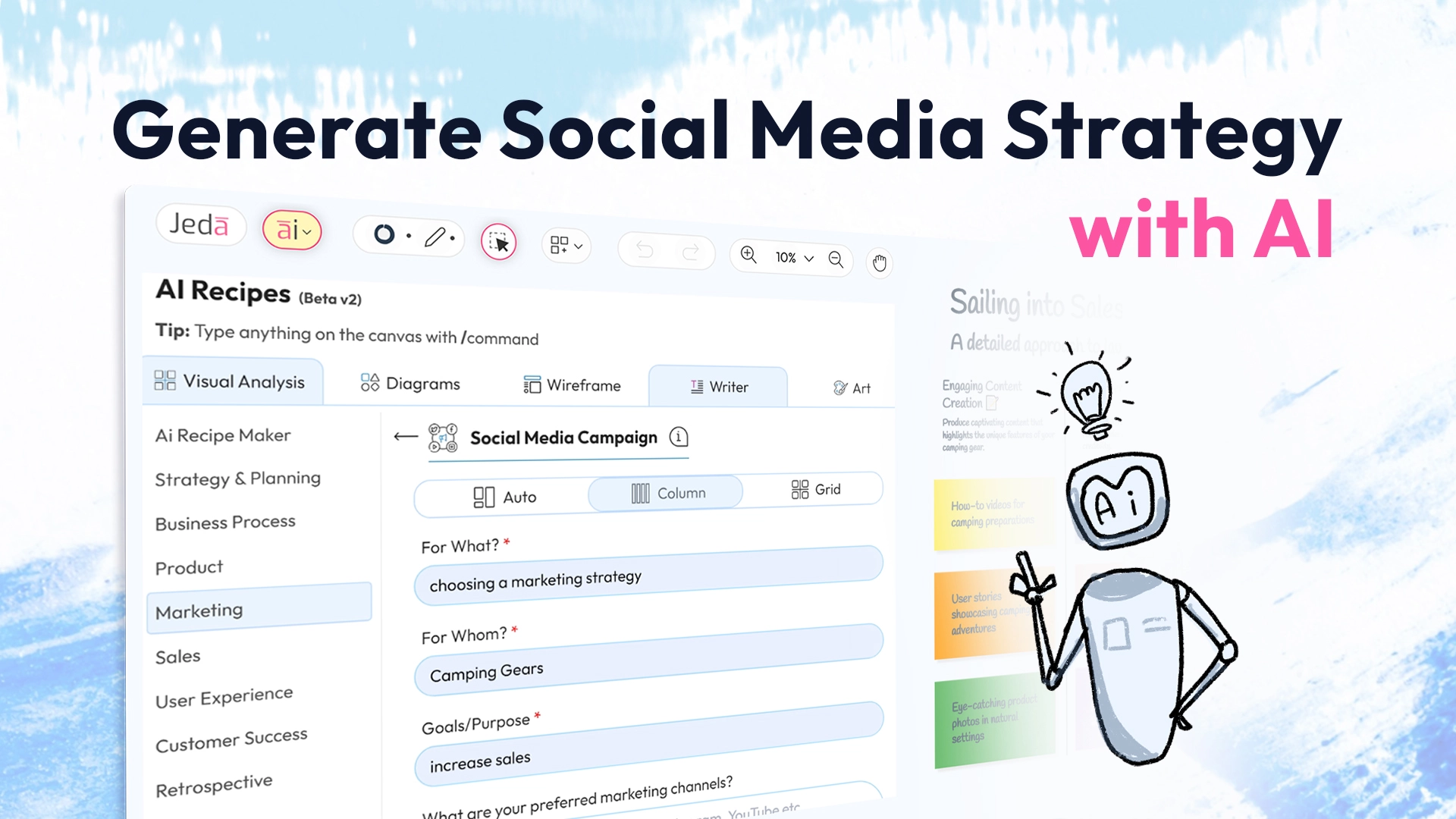
AI for Strategic Social Media: Beyond Basic Content
For small to mid-sized businesses, social media often feels like a content treadmill. But today, AI offers a path beyond simply generating more posts. This article cuts through the noise to show you how to strategically deploy AI to gain deeper audience insights, optimize campaign performance, and streamline operations, even with limited resources. You’ll learn where to focus your efforts for tangible growth and what common pitfalls to sidestep.
Unlocking Deeper Audience Insights with AI
AI tools can analyze vast amounts of social data, far beyond what a human team can process. This isn’t about basic demographics; it’s about understanding sentiment, emerging trends, and specific pain points within your target segments.
Instead of guessing, AI can pinpoint which topics resonate, what language your audience uses, and even predict shifts in interest. This intelligence directly informs your content strategy, ensuring you’re not just posting, but connecting.
Prioritize: Using AI for sentiment analysis and trend identification. Tools like Brandwatch or even advanced features within social media management platforms can help you understand the emotional context around your brand and industry. This insight is gold for crafting messages that truly land.
Deprioritize: Over-investing in generic AI-generated personas without validating them against real-world data. While a starting point, these often lack the nuance needed for effective strategy. Your team’s qualitative understanding combined with AI’s quantitative analysis is far more powerful.
What’s easy to overlook is that AI, for all its power, still operates on the principle of “garbage in, garbage out.” The quality and relevance of the social data fed into these systems directly dictate the value of the insights produced. Teams can become so focused on the AI’s output that they neglect to critically evaluate the input sources, leading to a false sense of confidence in analyses derived from biased, incomplete, or unrepresentative datasets. This isn’t a technical flaw in the AI; it’s a human oversight in data governance, and it can steer an entire content strategy off course.
A second-order effect of rapid trend identification is the temptation to become overly reactive. While AI can quickly flag emerging topics, constantly chasing every new micro-trend can lead to a fragmented content strategy. This dilutes your brand’s unique voice and can exhaust your creative resources, ultimately making it harder for your audience to form a consistent connection with your brand. Prioritizing long-term strategic alignment over short-term topical relevance is a judgment call AI can’t make for you.
Finally, the operational gap between AI-generated insights and human action is a common source of frustration. It’s one thing to have a report detailing sentiment shifts or emerging keywords; it’s another entirely to translate that into a concrete content plan, assign tasks, and measure impact within a lean team. Without clear processes for integrating these insights into existing workflows, the intelligence can remain theoretical, adding to data overload rather than streamlining decision-making.
Optimizing Ad Spend and Campaign Performance
AI’s strength in pattern recognition makes it invaluable for social media advertising. It can analyze past campaign data to identify optimal targeting parameters, predict the best times to post, and even suggest budget allocations for maximum ROI.
This moves beyond simple A/B testing. AI can dynamically adjust bids, refine audience segments in real-time, and identify underperforming creative elements before you burn through your budget.
Practitioner Judgment: For SMBs, this means getting more mileage out of every ad dollar. Focus on platforms that offer AI-driven optimization within their ad managers (e.g., Meta Ads, Google Ads). Don’t try to build custom predictive models from scratch; leverage what’s already available and proven.
What to Delay: Implementing highly complex, multi-channel attribution models driven solely by AI. While powerful, these often require significant data infrastructure and expertise that most SMBs lack. Focus on optimizing within individual platforms first.
However, relying solely on AI for optimization introduces its own set of challenges that are easy to overlook. One significant pitfall is the “black box” effect. While AI can identify patterns and make adjustments, it rarely explains the ‘why’ behind its decisions. This can lead to a gradual erosion of human intuition and strategic understanding within the team. When performance inevitably plateaus or declines, diagnosing the root cause becomes significantly harder because the team lacks a clear understanding of the underlying mechanics the AI has been leveraging.
Furthermore, AI’s effectiveness is directly tied to the quality and quantity of the data it consumes. For many SMBs, initial campaign data might be limited, inconsistent, or even carry historical biases from less sophisticated efforts. If the AI is trained on imperfect data, it will optimize for those imperfections, potentially entrenching and amplifying a flawed strategy rather than correcting it. The downstream consequence is that you might achieve highly efficient spend on a suboptimal approach, leading to a performance ceiling that’s difficult to break through because the AI is doing exactly what it was told, based on misleading inputs.
Another common misstep is adopting a “set it and forget it” mentality. While AI excels at optimizing within given parameters, it doesn’t innovate or create new content. It optimizes existing creative assets and targeting parameters. If the human team fails to consistently refresh creative, test new messaging, or explore novel audience segments, the AI will eventually hit a wall. It will continue to optimize stale inputs, leading to diminishing returns and increased ad fatigue, ultimately requiring a more drastic and costly intervention to revitalize campaigns than if continuous human-driven creative iteration had been maintained.
Streamlining Operations and Enhancing Engagement
AI can significantly reduce the manual workload associated with social media management. This includes automating routine tasks, identifying key conversations for human intervention, and even drafting initial responses to common queries. Specifically, AI can assist with:
- Automated Scheduling: Optimizing post times based on audience activity data.
- Social Listening: Monitoring brand mentions, keywords, and industry trends across platforms.
- Basic Moderation: Filtering spam or inappropriate comments.
- Chatbot Support: Handling frequently asked questions to free up human agents.
These capabilities free up your team to focus on high-value engagement, strategic planning, and creative development, rather than getting bogged down in repetitive tasks.
Prioritize: AI-powered social listening and basic chatbot integration for FAQs. Tools like Sprout Social or Hootsuite with AI features can help you monitor conversations and automate routine tasks, ensuring your team can engage where it matters most.
Avoid: Deploying fully autonomous AI customer service agents without robust human oversight and escalation paths. While tempting, a botched AI interaction can damage customer relationships faster than it saves time. Use AI to augment, not replace, human interaction.
Strategic Content Curation and Personalization
Beyond generating content, AI excels at understanding what content resonates and who it resonates with. It can analyze engagement metrics to identify top-performing themes, formats, and even specific keywords.
This allows for more strategic content curation, helping you decide what existing content to amplify, what new topics to explore, and how to tailor messages for different audience segments. The goal isn’t just more content, but more effective content.
Practitioner Insight: Use AI to inform your content calendar and editorial decisions. For instance, an AI tool might reveal that long-form video tutorials perform exceptionally well for a specific product, or that a particular tone of voice drives higher engagement on LinkedIn versus Instagram.
What to Skip Today: Trying to implement real-time, hyper-personalized content feeds for every individual follower. While technically possible for large enterprises, the complexity and resource demands far outweigh the benefits for most small to mid-sized businesses. Focus on segment-level personalization first.
Making Smart AI Investments for Your Business
The key to leveraging AI for social media growth isn’t about adopting every new tool, but about making strategic choices that align with your business goals and resource constraints. Start with AI applications that address your biggest pain points or offer the clearest path to ROI.
For many SMBs, this means focusing on AI that enhances existing workflows rather than requiring a complete overhaul. Think about how AI can make your current social media manager more effective, not how it can replace them.
Actionable Advice: Begin with AI features embedded within platforms you already use (e.g., social media ad platforms, email marketing tools, CRM systems). These often provide significant value with minimal setup. Consider dedicated AI social media tools only after you’ve maximized these integrated options.
Final Judgment: The real power of AI in social media for SMBs lies in its ability to amplify human intelligence, not replace it. Use AI to gain insights, optimize processes, and free up your team for creative, strategic work. This pragmatic approach ensures you’re building sustainable growth, not just chasing the latest tech trend.

Leave a Comment