


Introduction: The Enduring Power of On-Page SEO
In the dynamic landscape of search engine optimization, where algorithms constantly evolve and AI-driven search experiences become more prevalent, the foundational principles of on-page SEO remain critically important. As of late 2025, a robust on-page strategy is not merely about keyword stuffing; it’s about creating a holistic, user-centric experience that signals relevance, authority, and trustworthiness to search engines.
On-page SEO encompasses all the elements directly within your control on your website, from the content itself to the underlying HTML. Mastering these elements is essential for improving organic visibility, attracting qualified traffic, and ultimately driving business growth. This guide will delve into actionable strategies to ensure your website is optimized for today’s sophisticated search algorithms and user expectations.
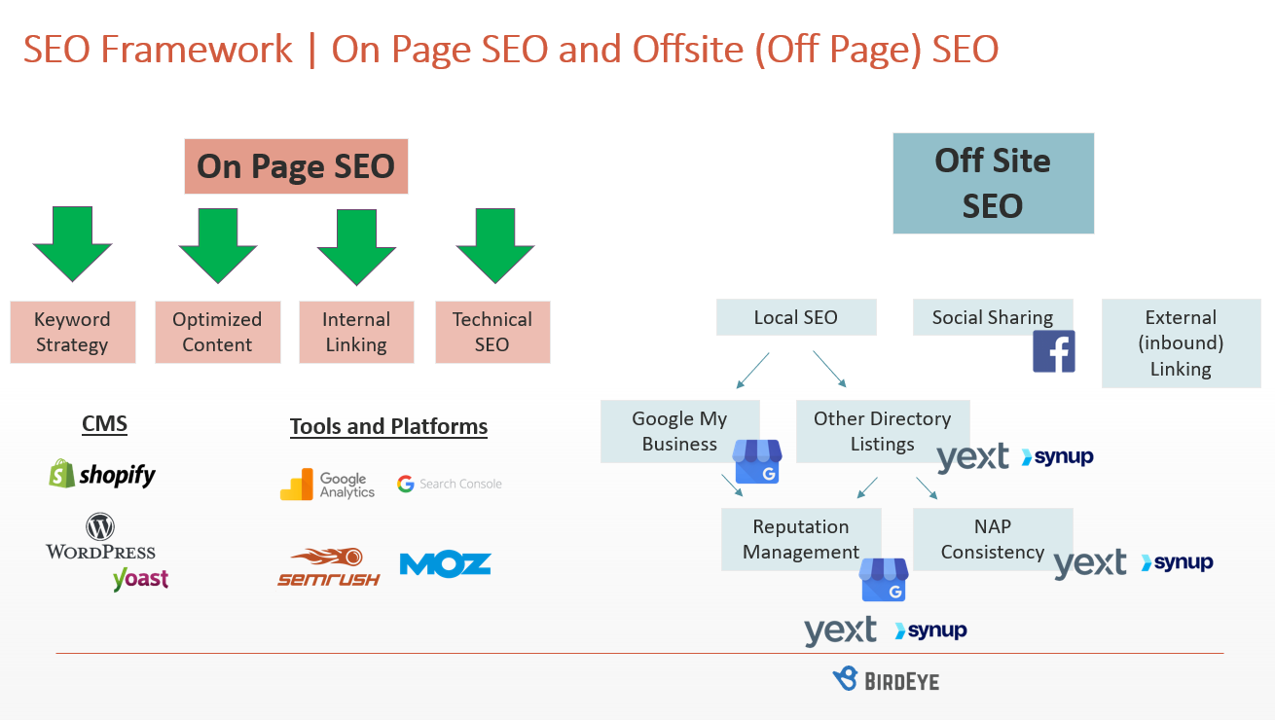
Understanding the Core Pillars of Modern On-Page SEO
Modern on-page SEO extends far beyond simple keyword placement. Search engines, particularly Google, prioritize content that demonstrates Experience, Expertise, Authoritativeness, and Trustworthiness (E-E-A-T). This means your content must not only be relevant to a search query but also provide genuine value, be factually accurate, and be presented by a credible source.
A holistic approach to on-page optimization considers both the explicit signals (like keywords, title tags) and implicit signals (like user engagement, content depth, site structure). The goal is to create a seamless, informative, and satisfying experience for the user, which in turn signals to search engines that your page is a valuable resource worthy of high rankings.
Keyword Research & Intent Mapping in 2025
The evolution of search has shifted keyword research from targeting single terms to understanding broader topics and user intent. In 2025, effective keyword strategy involves identifying topic clusters and mapping keywords to specific stages of the user journey (informational, navigational, transactional, commercial investigation). AI-powered tools are increasingly assisting in uncovering semantic relationships and predicting user needs.
Focusing on long-tail keywords and conversational queries is more crucial than ever, reflecting how users interact with search engines and voice assistants. By analyzing search intent, you can tailor your content to directly answer user questions, solve their problems, or guide them towards a purchase, ensuring higher relevance and engagement.

Crafting High-Quality, User-Centric Content
Content is the cornerstone of on-page SEO. High-quality content in 2025 is characterized by its depth, comprehensiveness, originality, and ability to address user intent thoroughly. It should be well-researched, provide unique insights, and be presented in an easy-to-digest format. Readability is paramount, achieved through clear language, short paragraphs, bullet points, and appropriate use of headings.
Integrating various multimedia elements like images, videos, infographics, and interactive tools can significantly enhance user engagement and time on page. Furthermore, ensure your content clearly demonstrates E-E-A-T by citing credible sources, showcasing author expertise, and maintaining factual accuracy. This builds trust with both users and search engines.
Optimizing Core HTML Elements for Search Engines
Title Tags: Your title tag (<title>) is the most critical on-page element. It should be concise (typically 50-60 characters), include your primary keyword near the beginning, and be compelling enough to encourage clicks. Craft unique, descriptive titles for every page.
Meta Descriptions: While not a direct ranking factor, a well-written meta description (around 150-160 characters) acts as an advertisement for your page in the SERPs. Include relevant keywords and a clear call to action to improve click-through rates.
Header Tags (H1-H6): Use header tags to structure your content logically, improving readability and signaling topic hierarchy to search engines. Your H1 should contain your primary keyword and accurately reflect the page’s main topic. Subsequent H2-H6 tags should break down subtopics.
URL Structure: Create clean, descriptive, and keyword-rich URLs that are easy for both users and search engines to understand. Avoid long, complex URLs with unnecessary parameters. A logical URL structure also aids in site navigation.
Image Optimization: Optimize images for both performance and accessibility. Use descriptive filenames, compress images for faster loading, and always include descriptive <code>alt</code> text. Alt text helps search engines understand image content and improves accessibility for visually impaired users.
Internal Linking Strategy for Authority & Navigation
An effective internal linking strategy is vital for distributing ‘link equity’ across your site, helping search engines discover and index your content more efficiently. By linking relevant pages together, you establish contextual relationships between your content, reinforcing the authority of key pages and improving overall site crawlability.
Beyond SEO benefits, internal links significantly enhance user experience by guiding visitors through your website to related information. Use descriptive anchor text that accurately reflects the content of the linked page, avoiding generic phrases like ‘click here’. A well-planned internal link structure can transform your website into a cohesive, easily navigable resource.
Technical On-Page Elements for Performance & Experience
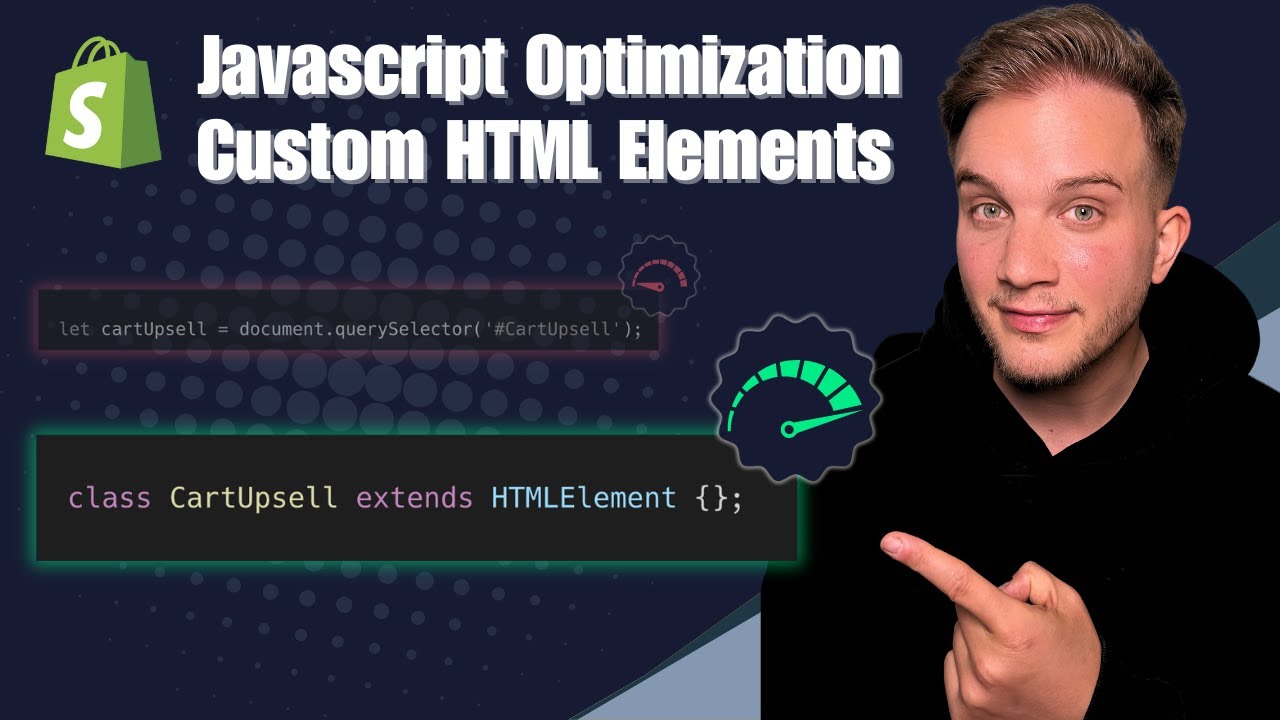
Technical aspects directly impact how search engines perceive your site’s quality and how users experience it. Core Web Vitals, which now include Interaction to Next Paint (INP) as a key metric for responsiveness, are crucial ranking factors. Ensuring fast loading times (Largest Contentful Paint – LCP), visual stability (Cumulative Layout Shift – CLS), and excellent interactivity is paramount for both SEO and user satisfaction.
Mobile-friendliness is non-negotiable; your website must offer a seamless experience across all devices. Implementing structured data (Schema Markup) helps search engines understand your content better, potentially leading to rich snippets and enhanced visibility in search results. Regularly auditing and optimizing your site’s technical health is an ongoing process that yields significant returns.

Leveraging AI for On-Page SEO Efficiency
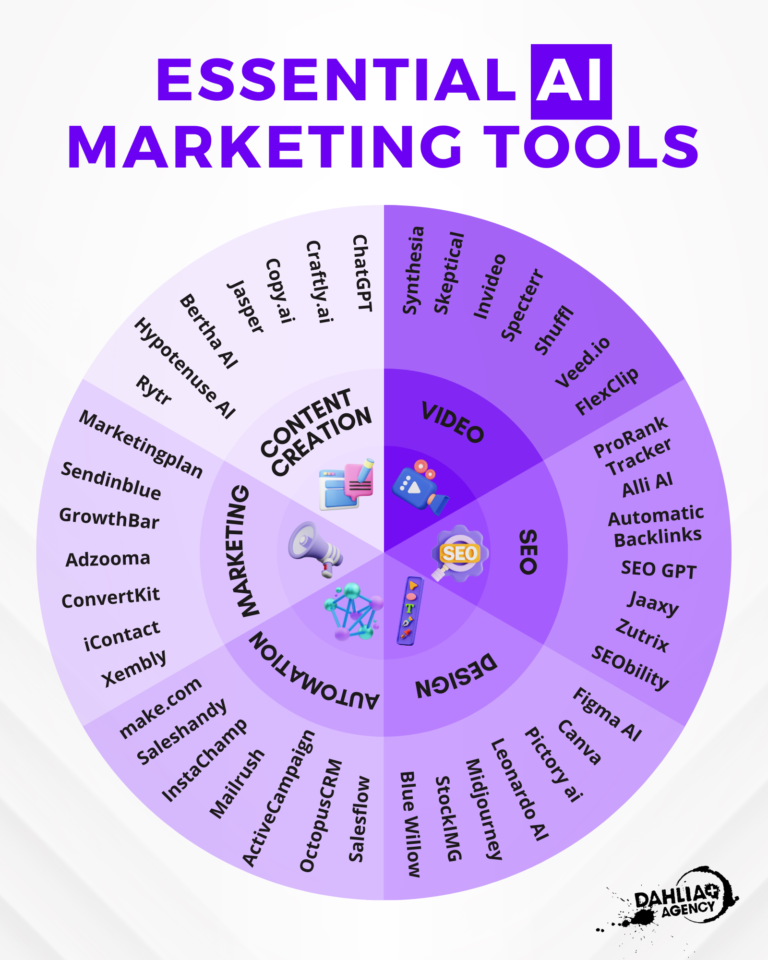
AI tools have become indispensable for streamlining on-page SEO tasks. They can assist in generating content outlines, drafting initial content sections, rephrasing text for clarity and conciseness, and even suggesting optimal keyword placements. This significantly reduces the manual effort required for content creation and optimization.
Furthermore, AI-powered platforms can analyze competitor content, identify content gaps, suggest relevant internal linking opportunities, and even generate schema markup automatically. While AI should augment human expertise rather than replace it, its capabilities in accelerating research, analysis, and content refinement make it a powerful ally for any SEO professional.
Future-Proofing Your On-Page SEO Strategy
To maintain long-term visibility, your on-page SEO strategy must be adaptable and forward-looking. Continuously prioritize user experience and intent, as search engines increasingly reward websites that genuinely serve their audience. Stay informed about algorithm updates and emerging search paradigms, such as advancements in AI Overviews and multimodal search, which will continue to reshape how information is discovered.
Embrace a philosophy of continuous improvement, regularly auditing your content and technical elements. Focus on building a truly valuable resource for your target audience, and your on-page efforts will naturally align with what search engines seek. Ethical, user-first SEO practices are the most reliable path to sustained organic growth.

Leave a Comment