

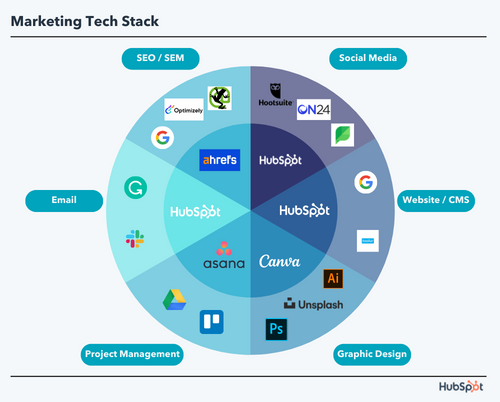
The landscape of marketing is in a perpetual state of evolution, driven significantly by rapid advancements in software. What was once a collection of disparate tools has coalesced into sophisticated ecosystems capable of unprecedented levels of automation, personalization, and data analysis. For businesses aiming to maintain a competitive edge and achieve sustainable growth, understanding and strategically adopting these innovations is no longer optional; it is fundamental.
MarketingPlux is dedicated to dissecting these transformative trends. This article explores the core innovations in marketing software that are currently reshaping how businesses connect with customers, optimize campaigns, and ultimately drive revenue. We will delve into the practical applications of these technologies, offering insights into how they can be leveraged to build more efficient, effective, and intelligent marketing operations.
Key Drivers of Modern Marketing Software Innovation
Several powerful forces are converging to accelerate the pace of marketing software development. At the forefront is the exponential growth of data, demanding more intelligent systems to process, analyze, and derive actionable insights from vast datasets. This data deluge fuels the need for sophisticated analytics and predictive capabilities that human marketers alone cannot manage efficiently.
Another significant driver is the increasing expectation for personalized customer experiences across all touchpoints. Consumers today anticipate relevant, timely, and context-aware interactions, pushing software developers to create tools that enable hyper-segmentation and dynamic content delivery at scale. Furthermore, the imperative for operational efficiency and cost reduction continues to drive innovation in automation, streamlining repetitive tasks and freeing up marketing teams for more strategic initiatives.
AI and Machine Learning: The Brains Behind Modern Marketing
Artificial Intelligence (AI) and Machine Learning (ML) are no longer futuristic concepts; they are embedded within the core functionalities of leading marketing software. These technologies empower marketers with capabilities previously unimaginable, from predicting customer behavior to generating compelling content. AI-driven platforms can analyze vast quantities of historical data to forecast future trends, identify high-value customer segments, and optimize campaign performance in real-time.
Practical applications include AI-powered content optimization tools that suggest improvements for SEO and engagement, predictive lead scoring systems that prioritize sales efforts, and dynamic ad placement algorithms that maximize ROI. ML models continuously learn from campaign performance, refining targeting parameters and message delivery to achieve increasingly precise and effective outcomes. This shift allows marketers to move from reactive adjustments to proactive, data-informed strategies.
- Predictive analytics for customer churn and lifetime value
- AI-driven content generation and optimization
- Real-time campaign optimization and budget allocation

Data Unification and Customer Data Platforms (CDPs)
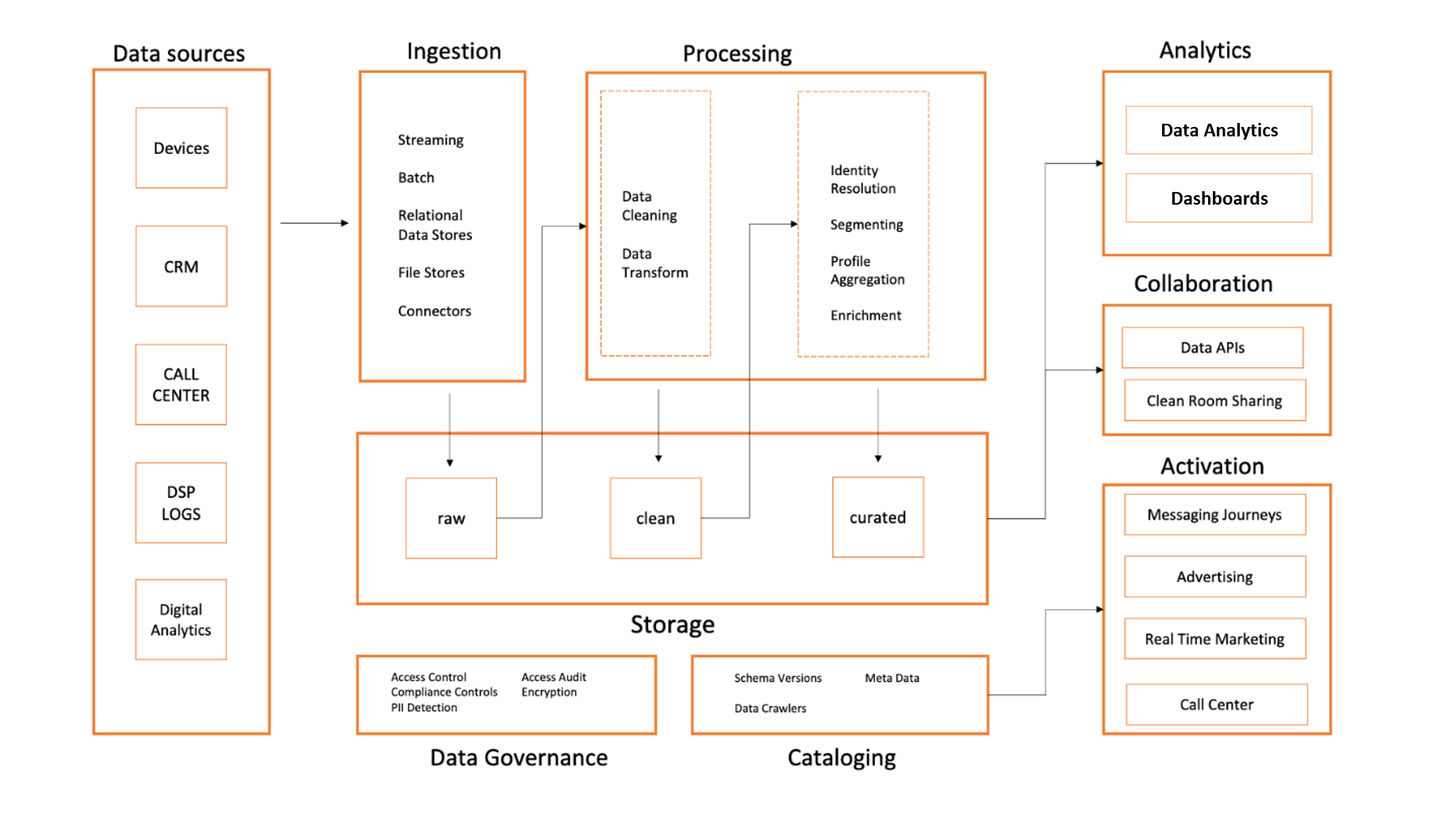
Fragmented customer data has long been a significant hurdle for marketers. Modern marketing software addresses this challenge through advanced data unification capabilities, most notably via Customer Data Platforms (CDPs). CDPs collect and consolidate customer data from various sources – CRM, website analytics, mobile apps, social media, email – into a single, comprehensive, and persistent customer profile. This unified view is critical for understanding customer journeys and delivering consistent experiences.
By providing a holistic understanding of each customer, CDPs enable more accurate segmentation, personalized messaging, and precise attribution modeling. Marketers can leverage this rich data to identify patterns, predict needs, and orchestrate seamless cross-channel campaigns. The ability to access real-time, actionable customer insights directly within marketing platforms transforms data from a mere resource into a strategic asset.
Hyper-Personalization at Scale
The promise of personalization has evolved into hyper-personalization, where marketing messages and experiences are tailored not just to segments, but to individual preferences and behaviors in real-time. Modern marketing software, fueled by AI and unified data, makes this level of individualization scalable. Dynamic content platforms can automatically adjust website elements, email content, and ad creatives based on a user’s browsing history, demographics, and past interactions.
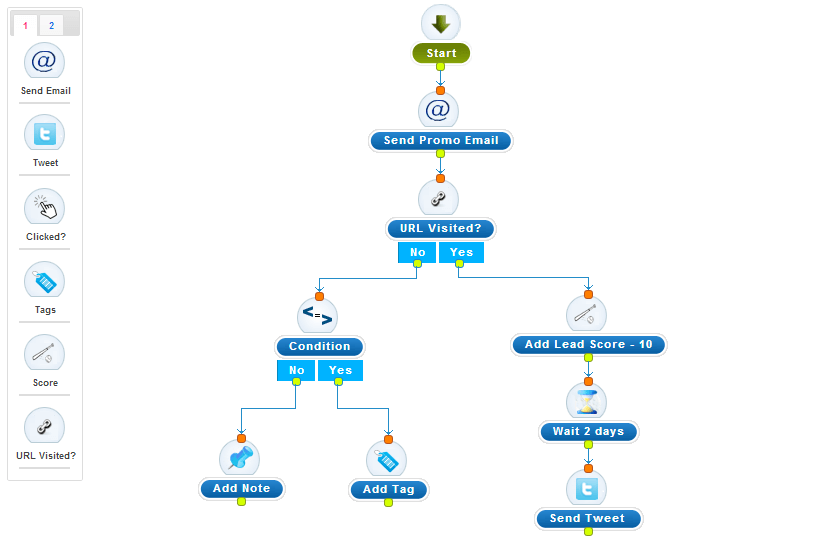
This capability extends beyond content to entire customer journeys. Software now allows marketers to design complex, branching pathways that adapt in real-time to a customer’s actions or inactions, ensuring that each interaction is relevant and moves them closer to conversion. This precision enhances engagement, builds stronger customer relationships, and significantly improves conversion rates by delivering the right message to the right person at the exact right moment.
- Dynamic content delivery for websites and emails
- Personalized product recommendations
- Adaptive customer journey orchestration

Automation and Workflow Optimization
Efficiency is a cornerstone of modern marketing, and software innovation has brought unprecedented levels of automation to the forefront. Marketing automation platforms (MAPs) have matured significantly, now offering sophisticated capabilities for automating lead nurturing sequences, email campaigns, social media scheduling, and even complex multi-channel workflows. These tools reduce manual effort, ensure timely execution, and maintain consistency across campaigns.
Beyond traditional MAPs, the integration of Robotic Process Automation (RPA) and advanced workflow engines allows for the automation of tasks that span multiple systems, such as data synchronization between CRM and ad platforms, or automated reporting generation. This optimization frees marketing professionals from repetitive administrative duties, allowing them to focus on strategic planning, creative development, and high-impact analysis, thereby maximizing team productivity and resource allocation.
The Rise of Composable Marketing Stacks
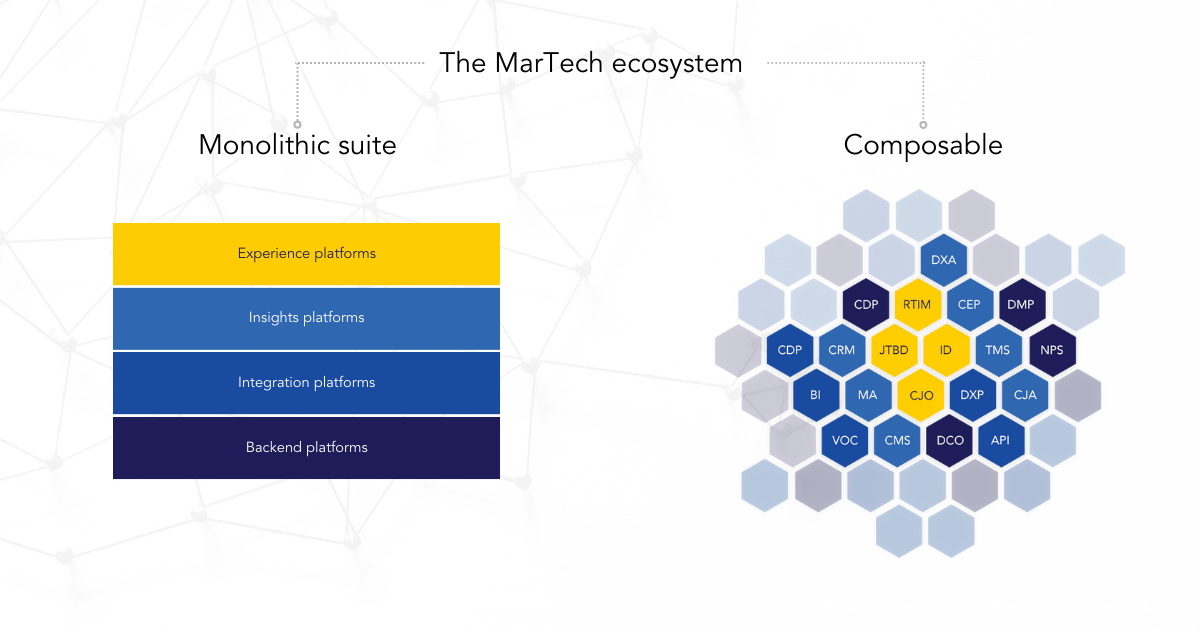
In recent years, there has been a notable shift away from monolithic, all-in-one marketing suites towards more flexible, composable marketing stacks. This approach involves selecting best-of-breed software solutions for specific functions (e.g., email marketing, analytics, content management) and integrating them seamlessly using APIs and middleware. The innovation here lies in the enhanced interoperability and flexibility these platforms offer.
A composable stack allows businesses to build a marketing technology ecosystem precisely tailored to their unique needs, avoiding vendor lock-in and enabling rapid adaptation to new technologies or changing market demands. This modularity ensures that marketers are always working with the most effective tools for each task, fostering greater agility and innovation within their operations. It represents a strategic move towards future-proofing marketing infrastructure.
- API-first integration for seamless data flow
- Flexibility to swap out tools as needs evolve
- Reduced vendor lock-in and increased agility
Strategically Adopting Marketing Software Innovations
Navigating the rapidly evolving landscape of marketing software requires a strategic approach. Businesses must first clearly define their marketing objectives and identify specific pain points that technology can address. A thorough audit of existing tools and data infrastructure is essential before investing in new solutions. Prioritize platforms that offer robust integration capabilities, scalability, and strong vendor support to ensure long-term value.
Furthermore, successful adoption hinges on fostering a culture of continuous learning and experimentation within marketing teams. Providing adequate training and encouraging exploration of new features will maximize the ROI of software investments. The goal is not merely to acquire new tools, but to integrate them intelligently into workflows to create a more agile, data-driven, and customer-centric marketing operation that consistently drives business growth.

Leave a Comment