

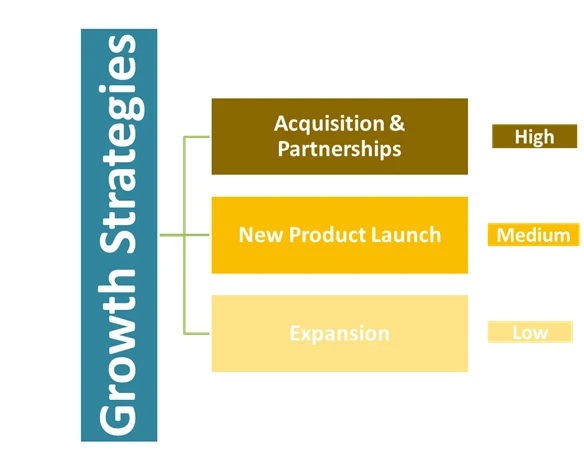
Strategic Imperatives for Product Launches
A successful product launch transcends mere announcement; it requires meticulous strategic planning rooted in deep market understanding. Before any development, businesses must conduct comprehensive market research to identify unmet needs, assess competitive landscapes, and define a clear target audience. This foundational work ensures the product addresses a genuine market gap and possesses a compelling value proposition, critical for achieving product-market fit from day one.
Defining the product’s unique selling proposition (USP) and its strategic positioning is paramount. This involves articulating how the product solves specific customer pain points better than existing solutions, or how it creates entirely new value. A well-defined positioning guides all subsequent marketing and sales efforts, ensuring consistent messaging across all touchpoints. Furthermore, setting clear, measurable objectives—whether market share, user adoption, or revenue targets—provides a roadmap for evaluating success and iterating post-launch.
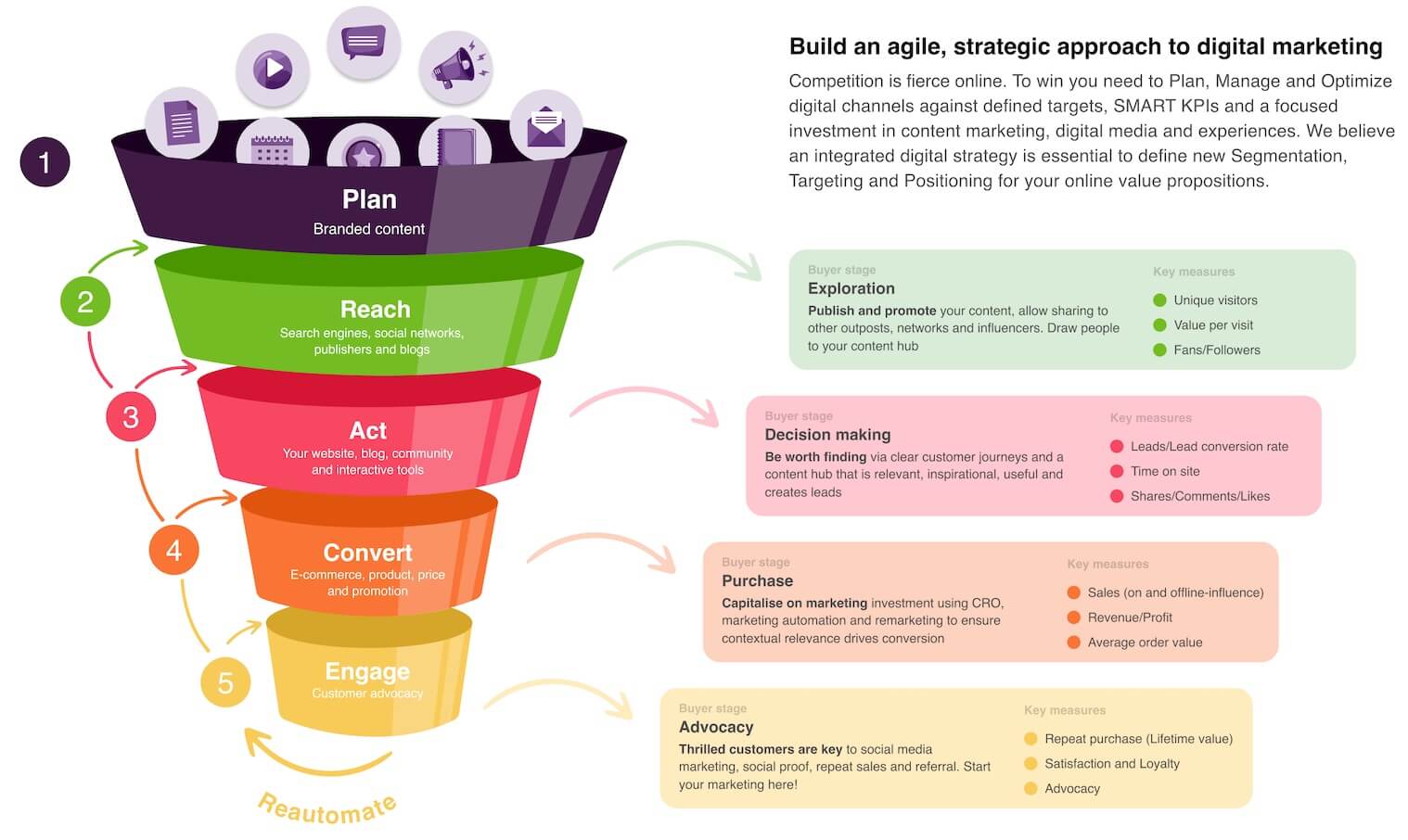
Executing a Successful Product Launch Campaign
The execution phase of a product launch is a multi-faceted endeavor, typically segmented into pre-launch, launch, and post-launch activities. Pre-launch involves building anticipation through teaser campaigns, early access programs, and influencer collaborations. This phase is crucial for generating buzz and gathering initial feedback, allowing for last-minute refinements. Leveraging AI-powered tools for audience segmentation and content personalization can significantly enhance pre-launch engagement, ensuring messages resonate with specific user groups.
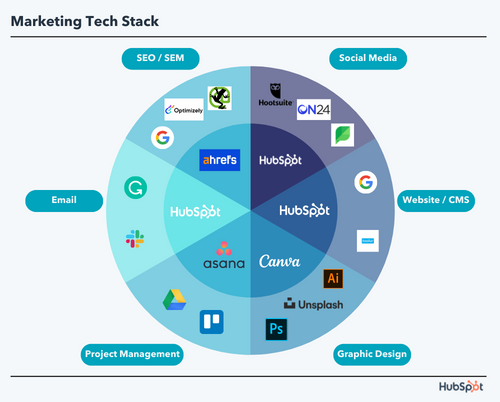
The launch itself demands a coordinated effort across marketing, sales, and customer support. This includes a robust digital marketing strategy encompassing SEO, paid advertising, social media campaigns, and email marketing. A well-orchestrated launch event, whether virtual or in-person, can amplify reach and media coverage. Post-launch, the focus shifts to sustained growth, customer retention, and continuous product improvement based on user data and feedback. AI analytics platforms are invaluable here for monitoring performance metrics, identifying user behavior patterns, and optimizing ongoing campaigns for maximum ROI.
- Pre-Launch: Market research, audience segmentation, value proposition definition, teaser campaigns.
- Launch: Coordinated marketing, sales, PR, digital campaigns, launch event.
- Post-Launch: Performance monitoring, user feedback, iteration, customer retention.
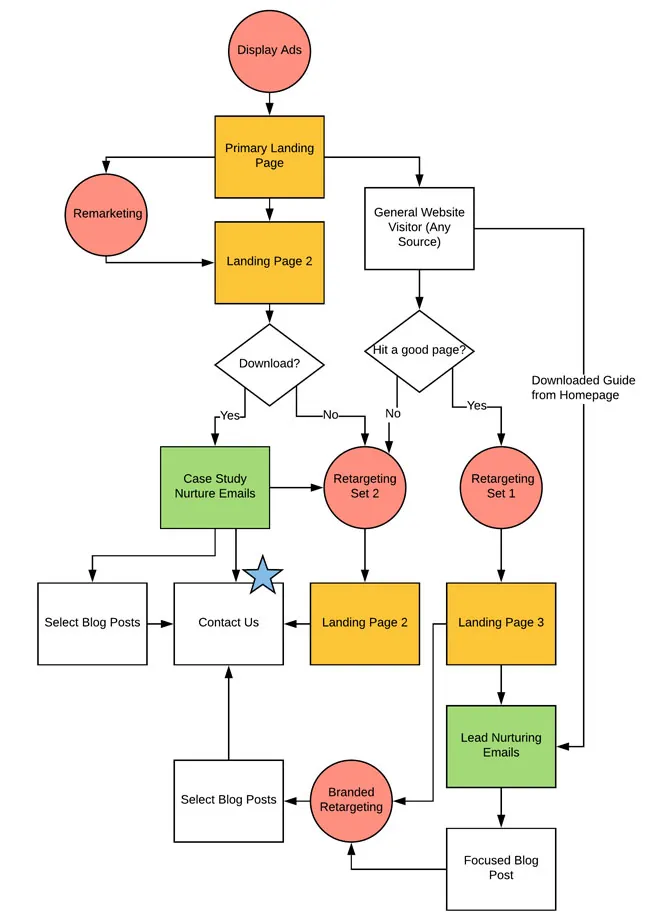
Navigating the Acquisition Landscape
Acquisitions represent a powerful, albeit complex, strategy for accelerated growth, market expansion, or technology integration. The initial step involves identifying potential targets that align strategically with the acquiring company’s long-term vision and growth objectives. This requires a clear understanding of the desired capabilities, market position, or intellectual property that the acquisition would bring, ensuring a strategic fit beyond mere financial metrics.
Thorough due diligence is critical to mitigate risks and accurately assess the target company’s value. This process extends beyond financial audits to include operational, legal, technological, and cultural assessments. Understanding the target’s customer base, brand equity, and marketing infrastructure is equally important for predicting post-acquisition synergy and potential integration challenges. AI-driven data analysis can assist in sifting through vast amounts of company data to identify red flags or hidden opportunities more efficiently.
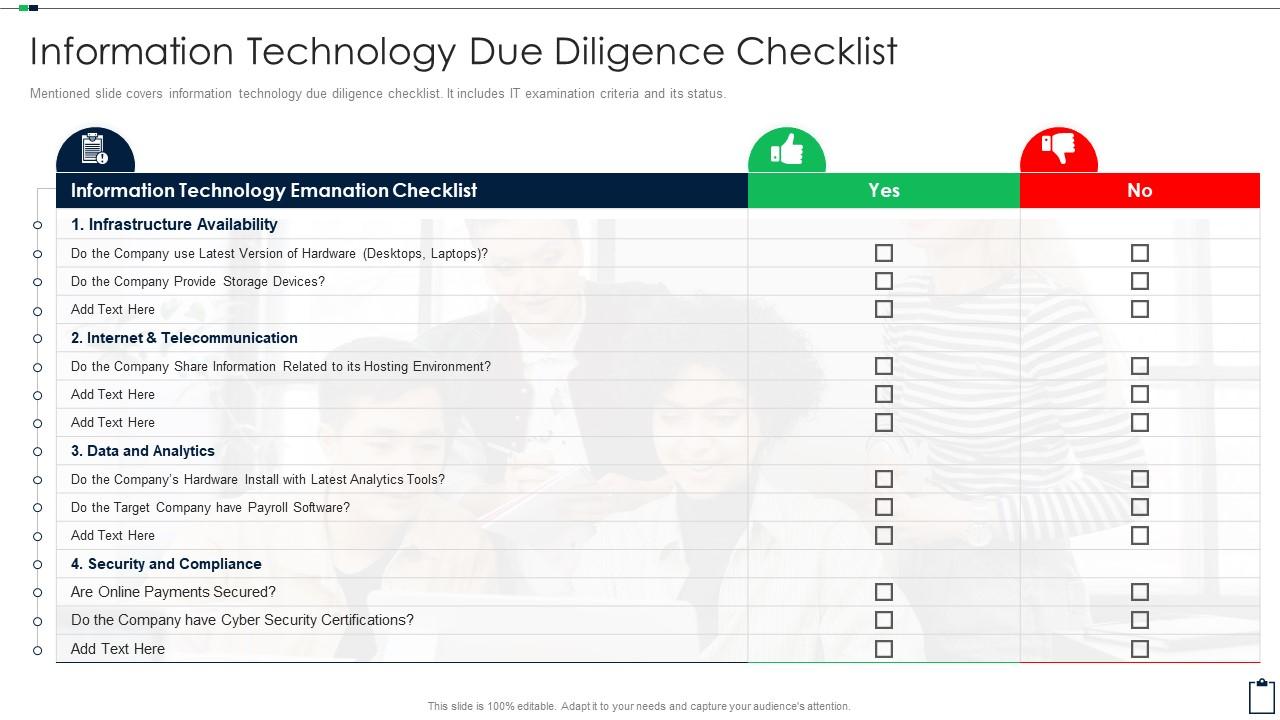
Post-Acquisition Integration & Value Realization
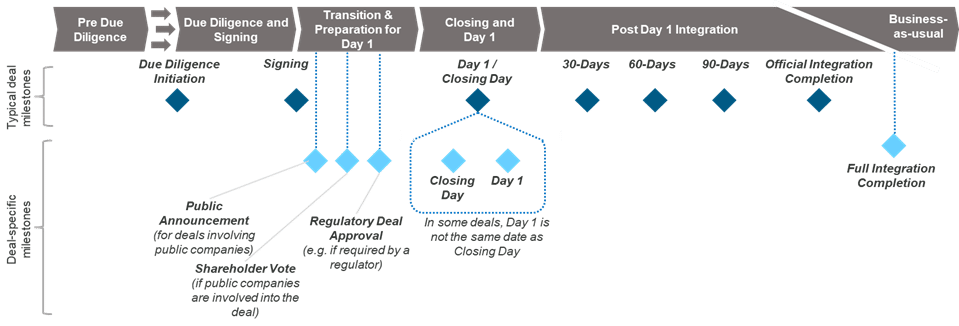
The true success of an acquisition hinges on effective post-merger integration (PMI). This phase is often the most challenging, requiring careful planning to merge operations, cultures, and, critically, marketing strategies. Brand alignment is paramount; deciding whether to maintain separate brands, co-brand, or fully integrate under one umbrella requires extensive market research and strategic foresight to avoid customer confusion and brand dilution.
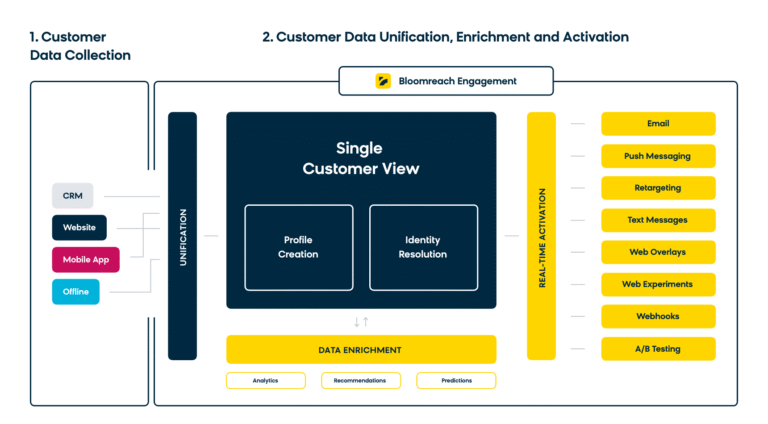
Integrating marketing teams, technologies, and customer databases is a complex undertaking. It involves harmonizing CRM systems, consolidating advertising platforms, and aligning content strategies to ensure a unified customer experience. Retaining key talent and customer relationships from the acquired entity is crucial for preserving value. Communication, both internal and external, must be transparent and consistent to manage expectations and build trust during this transitional period. AI tools can streamline data migration, identify customer overlap, and personalize communication during the integration process.
- Brand Alignment: Decide on brand strategy (separate, co-brand, integrate).
- Marketing Integration: Merge systems, teams, customer data, content strategies.
- Customer & Talent Retention: Preserve relationships and key personnel.
Leveraging AI for Optimized Growth Strategies
In the current marketing landscape, AI is no longer a luxury but a necessity for optimizing both product launches and acquisitions. For launches, AI tools can analyze vast datasets to predict market demand, identify optimal pricing strategies, and personalize marketing messages at scale. Generative AI assists in creating diverse content variations for A/B testing, accelerating campaign development and improving relevance.
During acquisitions, AI’s role extends to enhanced due diligence, identifying potential synergies, and streamlining integration. AI-powered analytics can quickly process financial reports, legal documents, and market data to flag risks or opportunities that human analysis might miss. Post-acquisition, AI facilitates the seamless merging of customer data, enabling unified segmentation and personalized outreach, thus accelerating value realization and minimizing customer churn.
Future-Proofing Growth: Continuous Innovation & Strategic M&A
Sustained business growth in a dynamic market requires a dual focus on continuous innovation and strategic mergers & acquisitions. Companies must foster an internal culture of experimentation and product development, constantly seeking to evolve their offerings and anticipate future market needs. This proactive approach ensures relevance and competitive advantage, making organic growth a consistent driver.
Simultaneously, a strategic M&A pipeline allows businesses to acquire capabilities, market share, or talent that would take too long or be too costly to develop internally. This involves ongoing market scanning for potential targets and maintaining readiness for opportunistic acquisitions. By balancing internal innovation with external strategic growth, businesses can build resilient, adaptable models poised for long-term success and market leadership.
Leave a Comment