

Understanding the Core Pillars of Business Success
In today’s dynamic market, where technological advancements and shifting consumer behaviors are constant, a strong grasp of business fundamentals is more critical than ever. While AI tools and advanced marketing strategies offer significant advantages, they are most effective when built upon a solid foundation of core business principles. This guide explores the essential areas that underpin sustainable growth and resilience for any enterprise.
Mastering these fundamentals ensures that your business can adapt to change, optimize resource allocation, and consistently deliver value. It’s about understanding the interconnectedness of finance, operations, marketing, and leadership, enabling you to make informed decisions that drive long-term success rather than chasing short-lived trends.
Financial Acumen: The Lifeblood of Your Enterprise
Robust financial management is non-negotiable for business longevity. This involves meticulous budgeting, proactive cash flow management, and regular profitability analysis. Understanding your financial statements – the income statement, balance sheet, and cash flow statement – provides a clear picture of your business’s health and capacity for investment and growth.
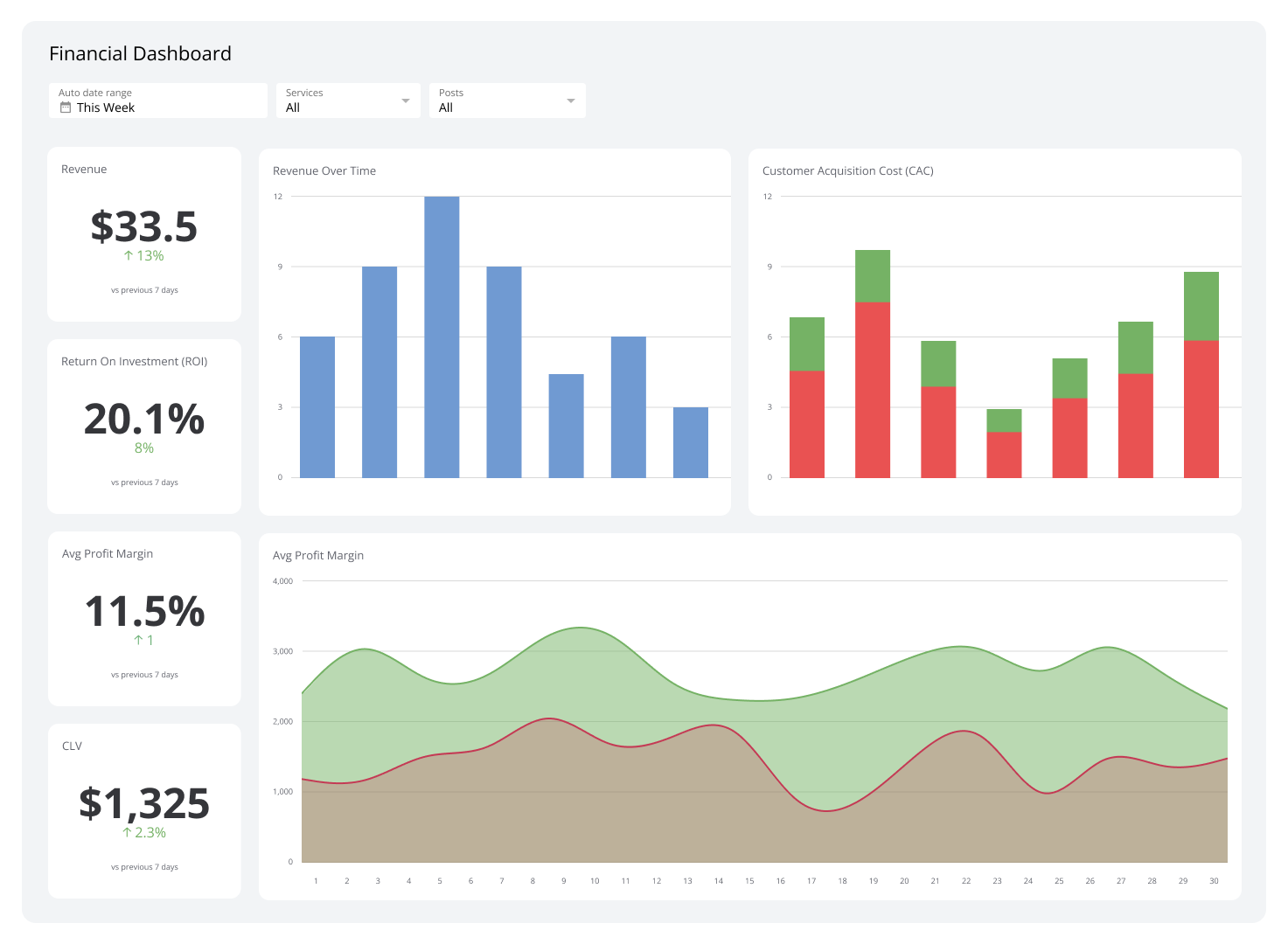
Key financial metrics, such as gross margin, net profit margin, return on investment (ROI), and customer lifetime value (CLTV), offer actionable insights. Leveraging financial dashboards can help visualize these metrics in real-time, enabling quicker, data-driven decisions to optimize spending and revenue streams.
- Develop detailed budgets and forecasts.
- Monitor cash flow diligently to prevent liquidity issues.
- Analyze profitability by product, service, or customer segment.
Strategic Marketing & Sales: Driving Revenue and Brand Value
Effective marketing and sales are the engines of revenue generation. This begins with thorough market research to identify your target audience, understand their needs, and pinpoint your unique value proposition. Developing a comprehensive marketing strategy encompasses digital channels like SEO, content marketing, social media, and paid advertising, all designed to reach and engage your ideal customers.
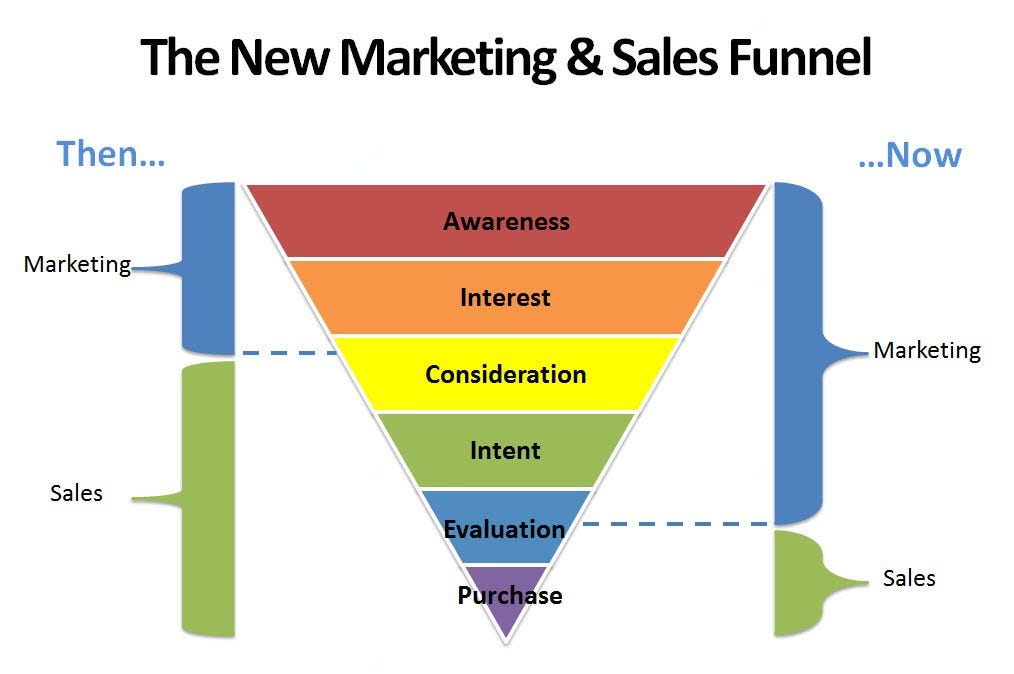
Sales processes must be optimized from lead generation through conversion and retention. This involves clear sales funnels, effective CRM utilization, and a focus on building lasting customer relationships. Integrating marketing and sales efforts ensures a cohesive customer journey and maximizes conversion rates.
- Conduct ongoing market research and competitor analysis.
- Craft compelling value propositions and brand messaging.
- Optimize your sales funnel for efficiency and customer experience.
Operational Excellence: Efficiency and Scalability
Operational excellence focuses on streamlining processes, minimizing waste, and maximizing productivity across all business functions. This includes supply chain management, production workflows, and service delivery. Identifying bottlenecks and implementing process improvements are crucial for enhancing efficiency and ensuring consistent quality.
Integrating technology, including AI-powered automation tools, can significantly boost operational efficiency, from inventory management to customer service. A well-oiled operational framework not only reduces costs but also improves customer satisfaction and positions the business for scalable growth.

- Map and optimize core business processes.
- Implement technology for automation and efficiency gains.
- Establish quality control measures and performance metrics.
People & Leadership: Building a High-Performing Team
Your team is your most valuable asset. Effective leadership involves attracting, developing, and retaining top talent, fostering a positive organizational culture, and empowering employees. Clear communication, fair performance management, and opportunities for professional development are essential for building a motivated and productive workforce.
Strong leadership provides vision, sets strategic direction, and inspires commitment. It’s about creating an environment where employees feel valued, understand their impact, and are encouraged to innovate. Investing in your people directly translates to improved business performance and customer satisfaction.
Legal & Compliance: Navigating the Regulatory Landscape
Operating a business requires a thorough understanding of the legal and regulatory environment. This includes compliance with data privacy laws (e.g., GDPR, CCPA), consumer protection regulations, employment laws, and industry-specific standards. Neglecting compliance can lead to significant fines, reputational damage, and operational disruptions.
Proactive risk management, including protecting intellectual property and ensuring contractual clarity, is vital. Regularly reviewing legal obligations and seeking expert advice helps mitigate potential risks and ensures your business operates ethically and within the bounds of the law, building trust with customers and partners.
Leveraging AI and Data for Informed Decision-Making
In recent years, the integration of AI and advanced data analytics has transformed how businesses approach their fundamentals. AI tools can automate routine financial tasks, personalize marketing campaigns at scale, optimize supply chain logistics, and even assist in talent acquisition. This allows human capital to focus on strategic initiatives and complex problem-solving.
Data analytics provides unparalleled insights into customer behavior, market trends, and operational performance. By collecting, analyzing, and interpreting data, businesses can make more accurate forecasts, identify new opportunities, and refine strategies with greater precision. This data-driven approach is fundamental to competitive advantage today.

- Utilize AI for automation in finance, marketing, and operations.
- Implement robust data collection and analysis frameworks.
- Develop predictive models for better strategic planning.
Implementing a Continuous Improvement Framework
Business fundamentals are not static; they require continuous attention and adaptation. Establishing a framework for ongoing review and improvement is crucial. This involves setting clear Key Performance Indicators (KPIs) for each fundamental area, regularly analyzing performance against these metrics, and being prepared to iterate on strategies and processes.
Embrace a culture of learning and agility, where feedback loops are encouraged, and adjustments are made based on real-world outcomes and evolving market conditions. This commitment to continuous improvement ensures your business remains competitive, resilient, and poised for sustained growth in an ever-changing landscape.


Leave a Comment