

The Imperative of AI in Modern Business Scaling
In the rapidly evolving business landscape of late 2025, traditional scaling methods often encounter bottlenecks, limiting growth potential and increasing operational costs. As market demands intensify and customer expectations rise, businesses must find innovative ways to expand without proportionally increasing their resource expenditure. This is where Artificial Intelligence (AI) emerges as a transformative force, offering unprecedented capabilities to optimize, automate, and accelerate core business functions.
AI is no longer a futuristic concept but a practical, accessible suite of tools that empowers organizations to transcend operational limitations. By leveraging AI, companies can streamline complex workflows, extract actionable insights from vast datasets, and deliver personalized experiences at scale. The strategic integration of AI is not merely an advantage; it is a fundamental requirement for sustainable growth and competitive differentiation in the current economic climate.
Automating Core Business Processes for Efficiency
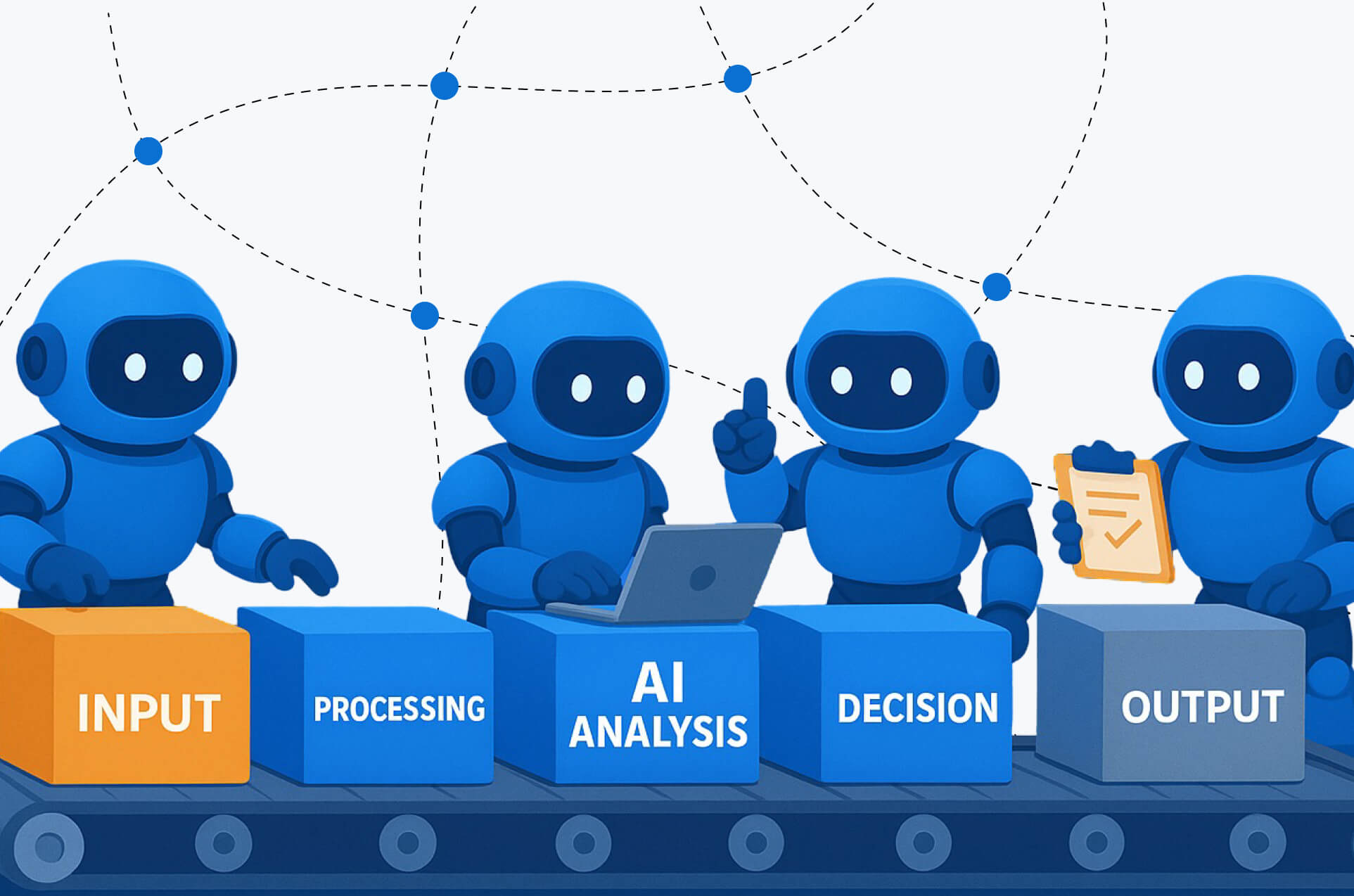
One of AI’s most immediate and impactful contributions to operational scaling is its ability to automate repetitive, rule-based tasks across various departments. This automation frees human capital from mundane activities, allowing teams to focus on strategic initiatives, complex problem-solving, and creative endeavors. From customer service to data management, AI-powered automation significantly reduces manual effort and potential for error.
Consider the impact on customer support, where AI-driven chatbots and virtual assistants can handle a high volume of inquiries, provide instant answers to FAQs, and route complex issues to human agents more efficiently. In back-office operations, Robotic Process Automation (RPA) combined with AI can automate data entry, invoice processing, and compliance checks, drastically cutting down processing times and improving accuracy. This level of automation ensures consistent service delivery and operational continuity, even as business volume scales.
- Customer Service: AI chatbots, virtual assistants, sentiment analysis.
- Data Management: Automated data entry, validation, and migration.
- HR & Onboarding: Candidate screening, document processing, training personalization.
Enhancing Data Analysis and Strategic Decision Making
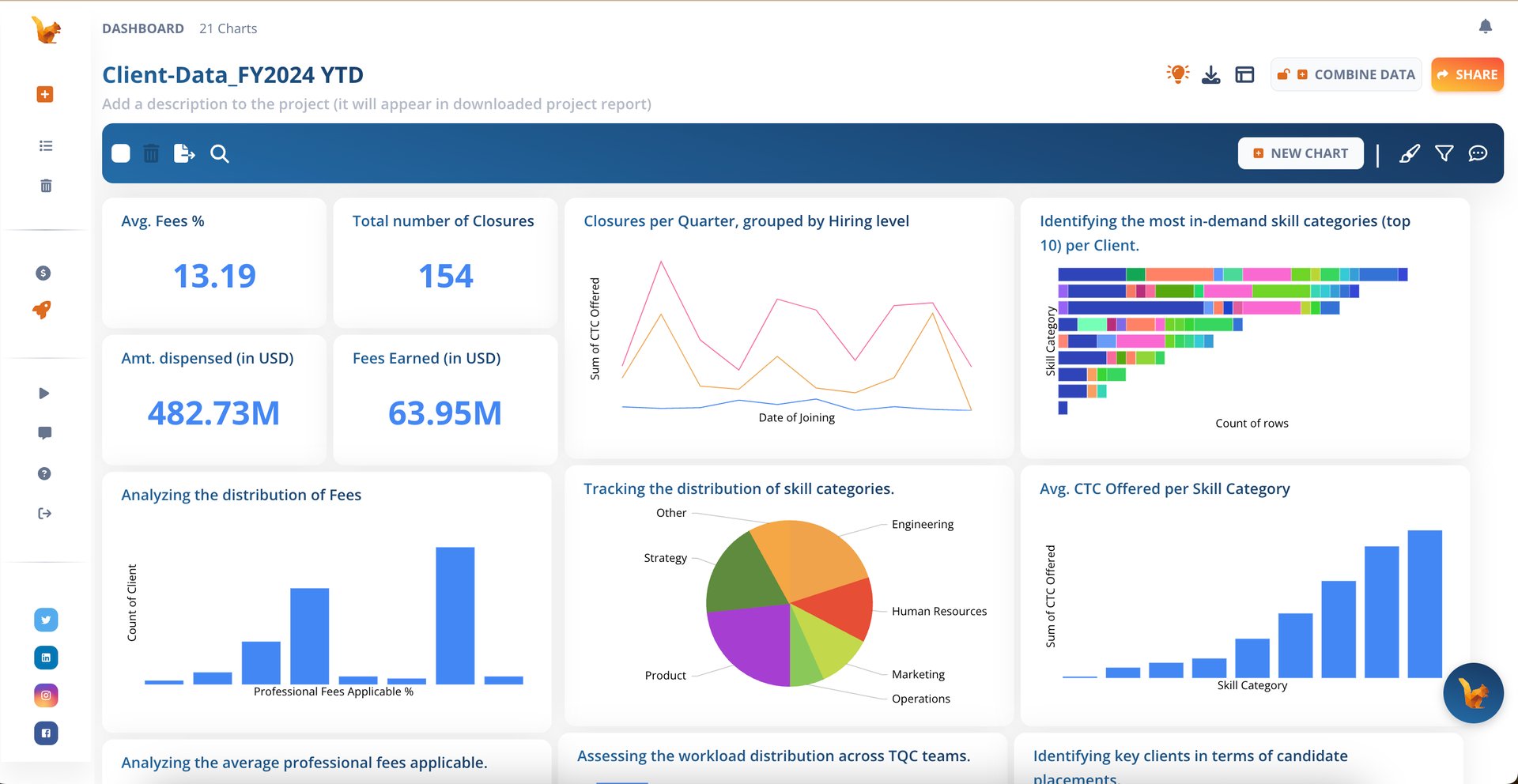
The sheer volume of data generated by businesses today can be overwhelming, yet it holds the key to informed decision-making. AI excels at processing, analyzing, and interpreting this data at speeds and scales impossible for human analysts. AI algorithms can identify subtle patterns, predict future trends, and uncover correlations that might otherwise remain hidden, providing a robust foundation for strategic planning.
Predictive analytics, powered by AI, allows businesses to forecast sales, anticipate market shifts, and optimize inventory levels with greater accuracy. Prescriptive analytics goes a step further, recommending specific actions based on data insights to achieve desired outcomes, such as optimizing marketing spend or identifying the most profitable customer segments. This data-driven approach minimizes guesswork and enables proactive, rather than reactive, business strategies.
- Market Trend Prediction: Identify emerging opportunities and risks.
- Customer Behavior Analysis: Understand preferences and purchasing patterns.
- Operational Performance Insights: Pinpoint inefficiencies and areas for improvement.
Optimizing Resource Allocation and Workflow Efficiency
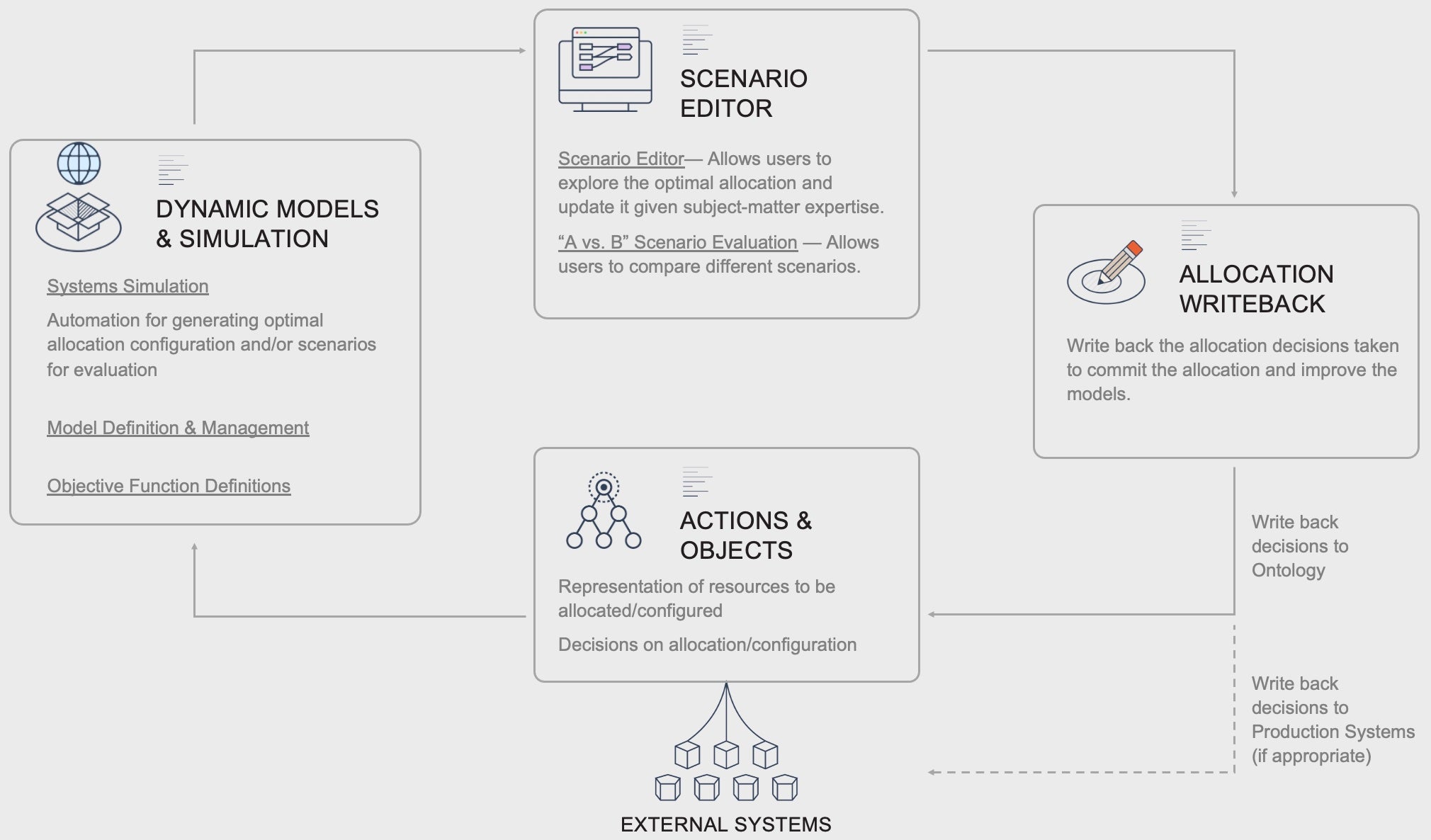
Scaling operations often involves complex resource management, from human capital to physical assets and financial investments. AI provides sophisticated tools for optimizing resource allocation, ensuring that every asset is utilized to its maximum potential. By analyzing historical data and real-time conditions, AI can dynamically adjust resource deployment to meet fluctuating demands and minimize waste.
In supply chain management, AI-driven systems can optimize logistics, predict demand fluctuations, and manage inventory levels to reduce carrying costs and prevent stockouts. For project management, AI can assist in task assignment, timeline optimization, and risk assessment, ensuring projects stay on track and within budget. This level of optimization is critical for maintaining profitability and efficiency as operations expand.
Personalizing Customer Experiences at Scale
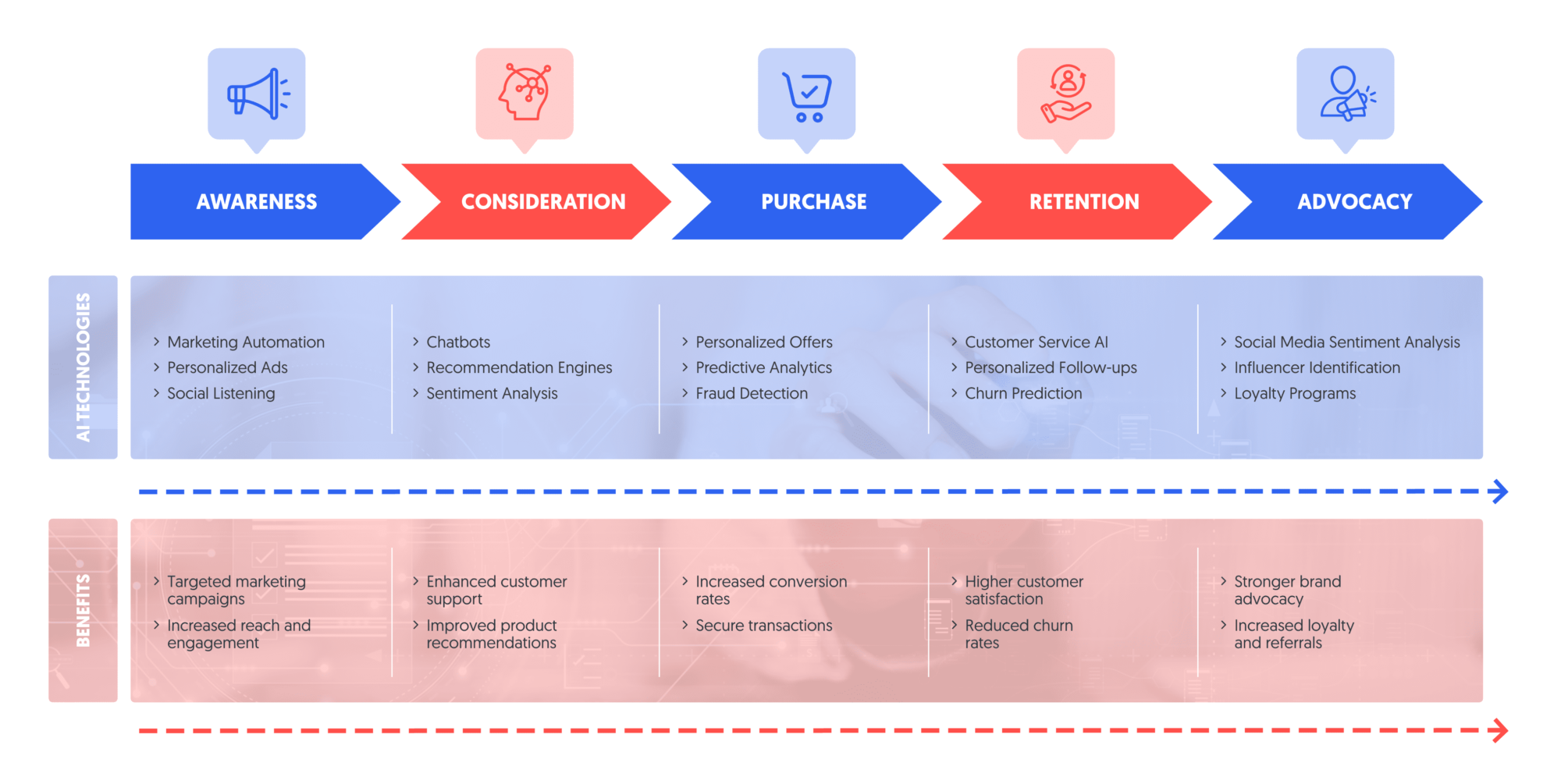
In an increasingly competitive market, personalized customer experiences are paramount for retention and growth. AI enables businesses to deliver highly tailored interactions and recommendations to individual customers, even across a vast customer base. By analyzing customer data, AI can understand preferences, predict needs, and suggest relevant products or services, creating a more engaging and satisfying customer journey.
From dynamic website content and personalized email campaigns to AI-powered product recommendations and targeted advertising, AI ensures that every customer interaction feels unique and relevant. This capability not only enhances customer satisfaction and loyalty but also drives higher conversion rates and increased lifetime value. Scaling personalization with AI allows businesses to maintain a human touch even as their customer base grows exponentially.
- Dynamic Content Delivery: Tailored website and app experiences.
- Product Recommendation Engines: Personalized suggestions based on behavior.
- Targeted Marketing Campaigns: Optimized ad placement and messaging.
Mitigating Risks and Ensuring Compliance with AI
As businesses scale, so do the complexities of risk management and regulatory compliance. AI offers powerful capabilities to monitor, detect, and prevent various forms of risk, from financial fraud to cybersecurity threats. AI algorithms can analyze vast amounts of transactional data in real-time to identify anomalous patterns indicative of fraudulent activity, significantly reducing financial losses.
Furthermore, AI tools can assist in ensuring adherence to evolving regulatory frameworks, such as data privacy laws (e.g., GDPR, CCPA). By automating compliance checks and monitoring data handling practices, AI helps businesses avoid costly penalties and reputational damage. This proactive approach to risk and compliance is essential for maintaining trust and stability during periods of rapid growth.
Strategic Implementation: A Phased Approach to AI Adoption
Successfully integrating AI into business operations requires a strategic, phased approach rather than an all-at-once overhaul. Businesses should begin by identifying specific pain points or areas where AI can deliver the most immediate and measurable impact. Starting with smaller, well-defined projects allows organizations to build internal expertise, demonstrate ROI, and gain buy-in across departments.
Key steps include assessing current infrastructure, selecting appropriate AI tools and platforms, and ensuring data quality and accessibility. Emphasizing collaboration between human teams and AI systems is crucial, as AI is best utilized as an augmentation tool, enhancing human capabilities rather than replacing them entirely. Continuous monitoring, evaluation, and adaptation of AI strategies will ensure long-term success and sustained operational scaling.
- Identify Key Pain Points: Focus on high-impact areas for initial AI deployment.
- Pilot Programs: Test AI solutions on a smaller scale to refine processes.
- Invest in Training: Equip teams to work effectively with AI tools.
- Measure & Iterate: Continuously optimize AI models and strategies.


Leave a Comment