

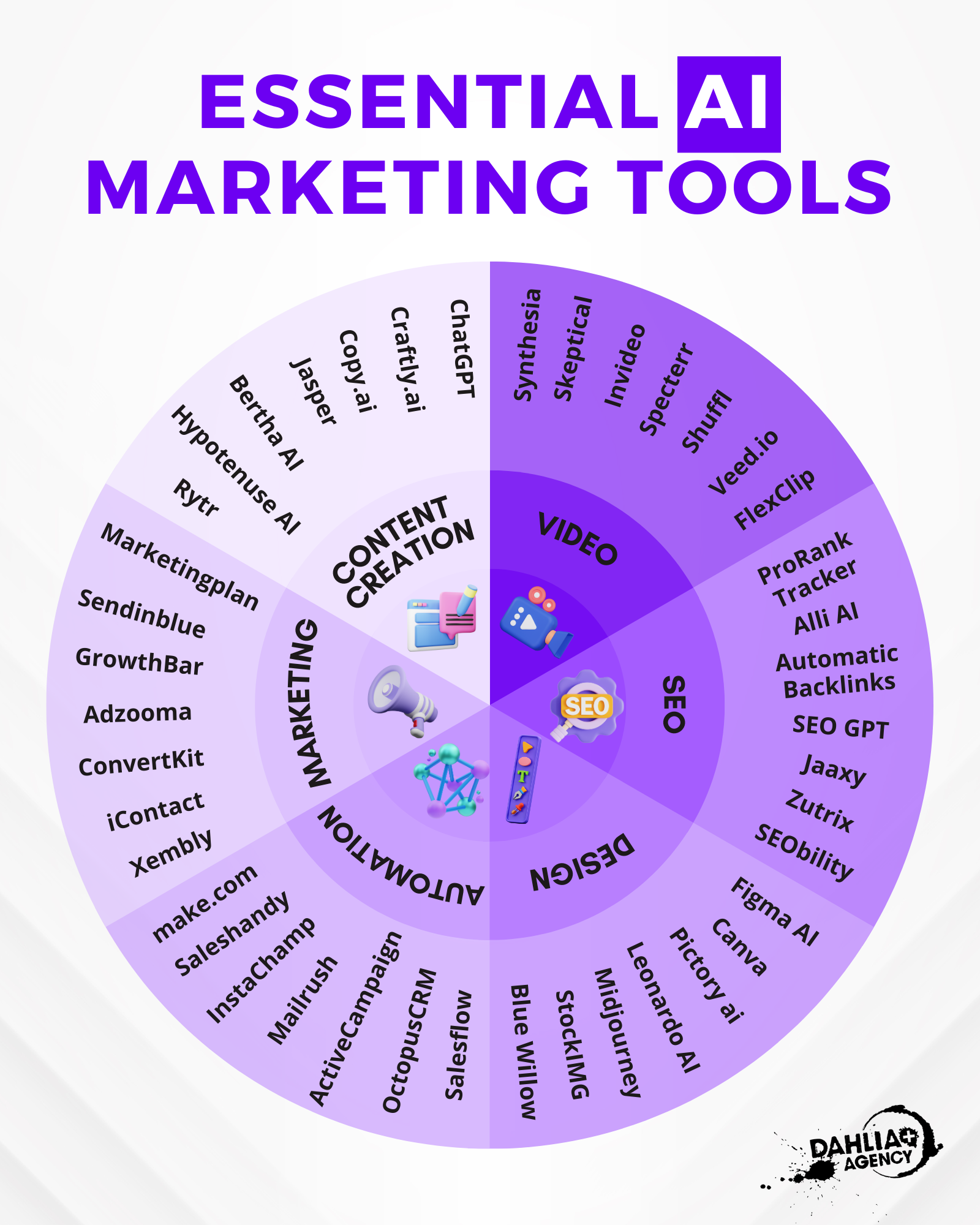
The AI Imperative in Modern Marketing
In the rapidly evolving digital landscape of late 2025, Artificial Intelligence (AI) has transitioned from a futuristic concept to an indispensable asset for marketers. Businesses are no longer merely experimenting with AI; they are strategically integrating it to gain a competitive edge, automate complex tasks, and derive deeper, more actionable insights from vast datasets. The imperative for marketers today is clear: embrace AI to enhance efficiency, deliver hyper-personalized experiences, and drive measurable growth.
AI tools empower marketing teams to move beyond manual, time-consuming processes, freeing up valuable human capital for strategic thinking and creative problem-solving. From understanding customer behavior with unprecedented accuracy to optimizing campaign performance in real-time, AI is reshaping every facet of the marketing funnel. This article explores the essential AI tools that are currently redefining marketing practices, offering practical insights into their application and benefits.
AI for Content Creation and Optimization
Content remains king, but the speed and scale at which it needs to be produced and optimized have dramatically increased. AI writing assistants are now sophisticated enough to generate high-quality drafts for blog posts, social media updates, ad copy, and email sequences, significantly reducing the time spent on initial content creation. These tools can adapt to specific brand voices and target audiences, ensuring consistency and relevance across various platforms.
Beyond generation, AI plays a crucial role in content optimization. AI-powered SEO tools analyze search trends, identify content gaps, and suggest on-page optimizations to improve organic visibility. They can also perform competitive analysis, helping marketers understand what content resonates with their audience and how to outperform competitors. Furthermore, AI is increasingly used for visual content, assisting with everything from generating image concepts to basic video editing and repurposing existing assets for new formats.
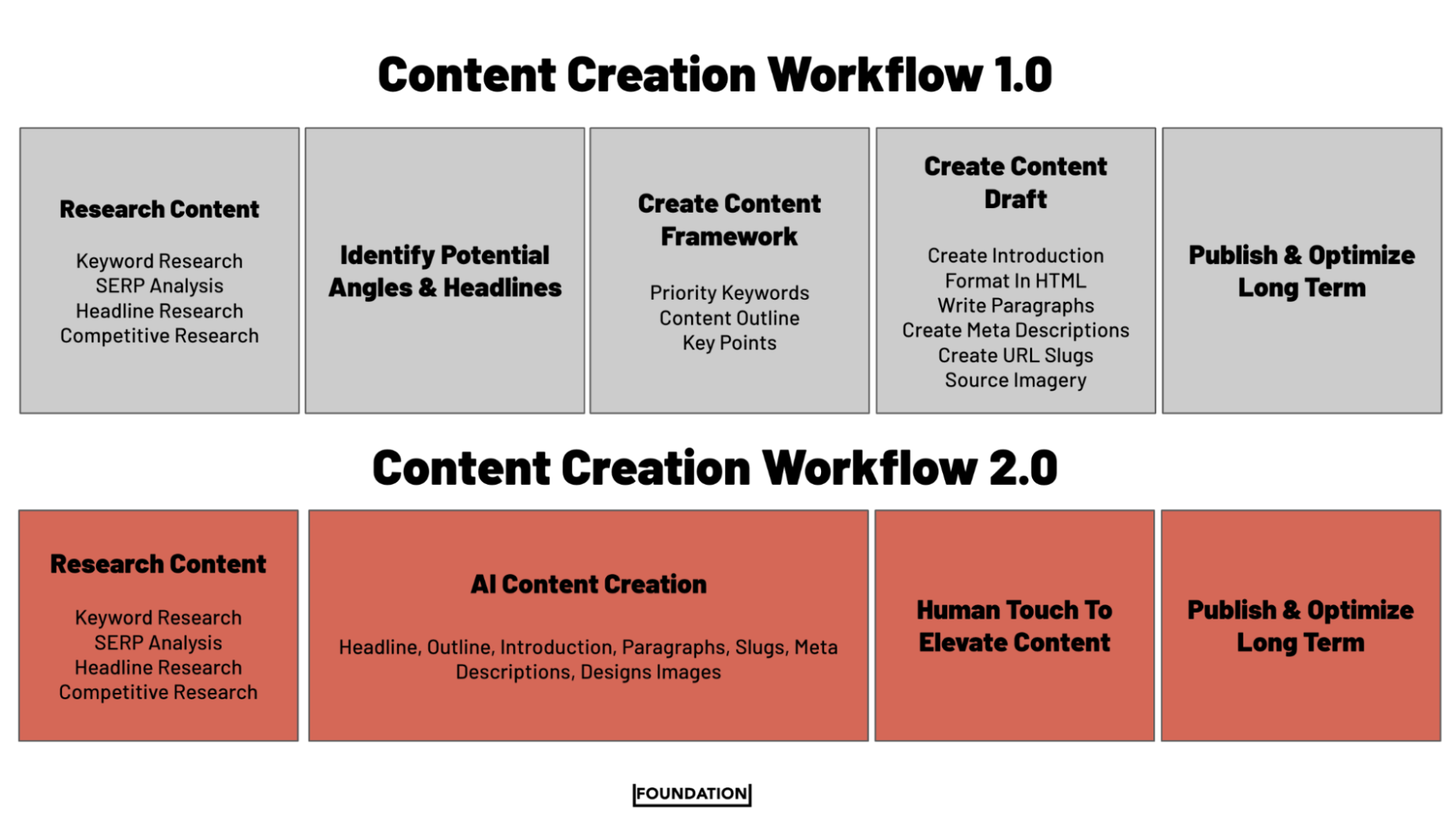
Practical applications include:
- Generating multiple ad variations for A/B testing.
- Drafting personalized email sequences based on user behavior.
- Optimizing existing blog posts with new keywords and structural improvements.
Data Analysis and Personalization at Scale
The sheer volume of customer data available today is overwhelming for human analysis alone. AI tools excel at processing these vast datasets, identifying subtle trends, predicting customer behavior, and segmenting audiences with unparalleled precision. This capability allows marketers to move beyond broad demographics to create highly specific and actionable customer profiles.
Hyper-personalization, once a aspirational goal, is now achievable at scale through AI. Dynamic content delivery, tailored product recommendations, and individualized customer journeys are powered by AI algorithms that learn from every interaction. Predictive analytics further enhance this by forecasting customer churn, estimating lifetime value, and identifying high-potential leads, enabling proactive marketing interventions.
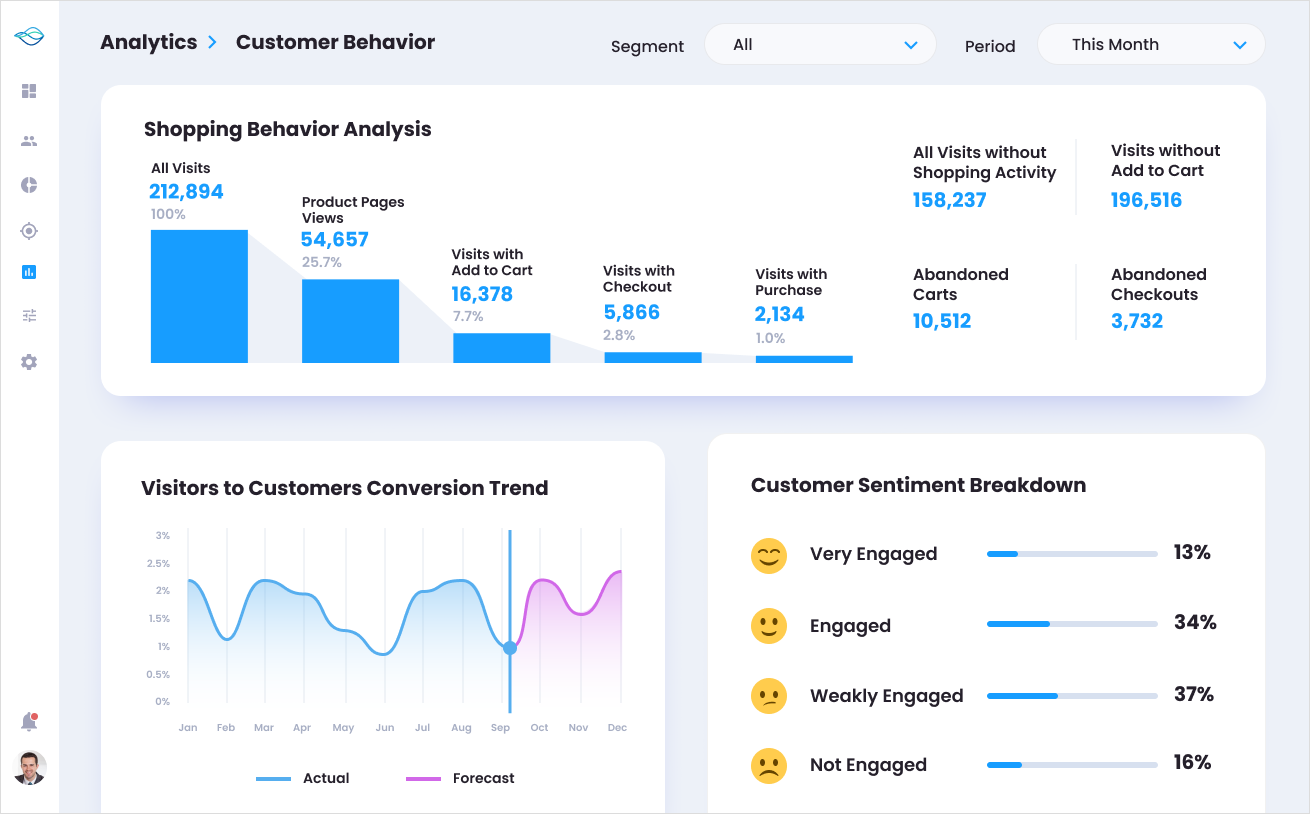
Key benefits include:
- Delivering personalized email campaigns with relevant offers.
- Presenting dynamic website content based on visitor history.
- Targeting ads to micro-segments with specific interests and needs.
Campaign Management and Automation
Managing complex marketing campaigns across multiple channels can be resource-intensive. AI-driven tools are revolutionizing campaign management by automating and optimizing critical processes. In advertising, AI facilitates real-time bidding, intelligent budget allocation, and continuous audience targeting adjustments across platforms, ensuring maximum ROI for ad spend.
Marketing automation platforms are significantly enhanced by AI, which can refine lead scoring models, optimize nurturing paths, and even schedule content for optimal engagement times. Moreover, AI accelerates the process of A/B and multivariate testing, allowing marketers to quickly identify winning creative elements, headlines, and calls-to-action, providing insights into the underlying reasons for their performance.

This translates to:
- Automated ad spend optimization across Google Ads and social media.
- Intelligent email send times for higher open and click-through rates.
- Dynamic landing page adjustments based on visitor segments.
Enhancing Customer Service and Engagement
Customer experience is a critical differentiator, and AI is playing an increasingly vital role in enhancing service and engagement. AI-powered chatbots and virtual assistants provide 24/7 support, instantly answering frequently asked questions, guiding users through processes, and even qualifying leads. This improves customer satisfaction while reducing the burden on human support teams.
Sentiment analysis tools leverage AI to monitor social media, customer reviews, and direct interactions, gauging brand perception and identifying emerging issues or opportunities in real-time. This allows marketers to respond proactively to feedback and manage brand reputation effectively. Furthermore, AI can identify customers at risk of churn or those who might benefit from specific support, enabling timely and personalized interventions that strengthen customer loyalty.
Practical applications include:
- Handling routine customer inquiries and support requests efficiently.
- Identifying negative brand mentions or emerging PR crises.
- Personalizing follow-up communications based on customer sentiment.
Strategic Integration and Future-Proofing Your Marketing
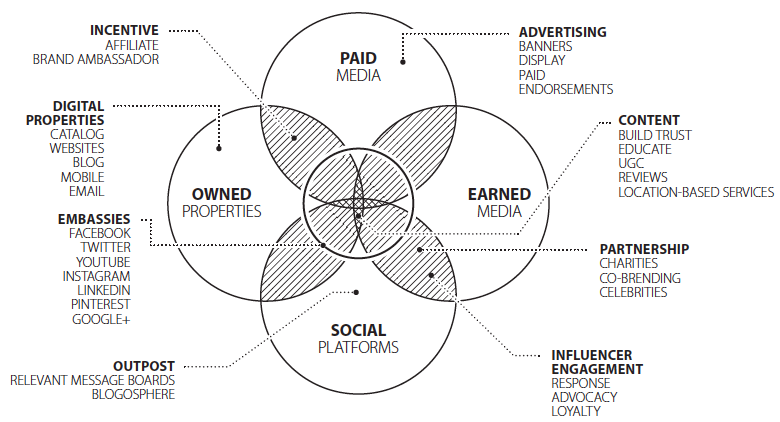
The true power of AI in marketing lies not just in individual tools, but in their strategic integration into a cohesive ecosystem. AI tools are not designed to replace human strategists but to augment their capabilities, providing data-driven insights and automating repetitive tasks. Marketers must focus on integrating these tools into existing workflows, ensuring seamless data flow and a unified view of customer interactions across all touchpoints.
As the AI landscape continues its rapid evolution, marketers must prioritize data quality, understand the ethical implications of AI use, and commit to continuous learning. The effectiveness of any AI tool is directly tied to the quality of the data it processes and the human intelligence guiding its application. Staying updated with new solutions, experimenting with emerging technologies, and consistently measuring ROI will be paramount for sustained competitive advantage.
By strategically adopting and integrating essential AI tools, businesses can future-proof their marketing efforts, drive unprecedented levels of personalization, and achieve significant gains in efficiency and revenue in the years to come.
Leave a Comment