


In today’s rapidly evolving digital landscape, a robust digital business model is no longer a competitive advantage but a fundamental necessity for survival and growth. As of late 2025, businesses across all sectors are grappling with accelerated technological advancements, shifting consumer expectations, and the imperative to leverage data and AI effectively. A well-defined digital business model outlines how an organization creates, delivers, and captures value in the digital realm, transforming traditional operations into agile, scalable, and customer-centric ecosystems.
This article delves into the core strategies for developing, implementing, and optimizing digital business models. We will explore various established models, highlight the critical pillars for their success, and provide actionable insights to help your business navigate the complexities of the digital economy, ensuring sustainable growth and enhanced revenue streams. Understanding these strategies is crucial for any business aiming to thrive in the current and future market.
Understanding Core Digital Business Models
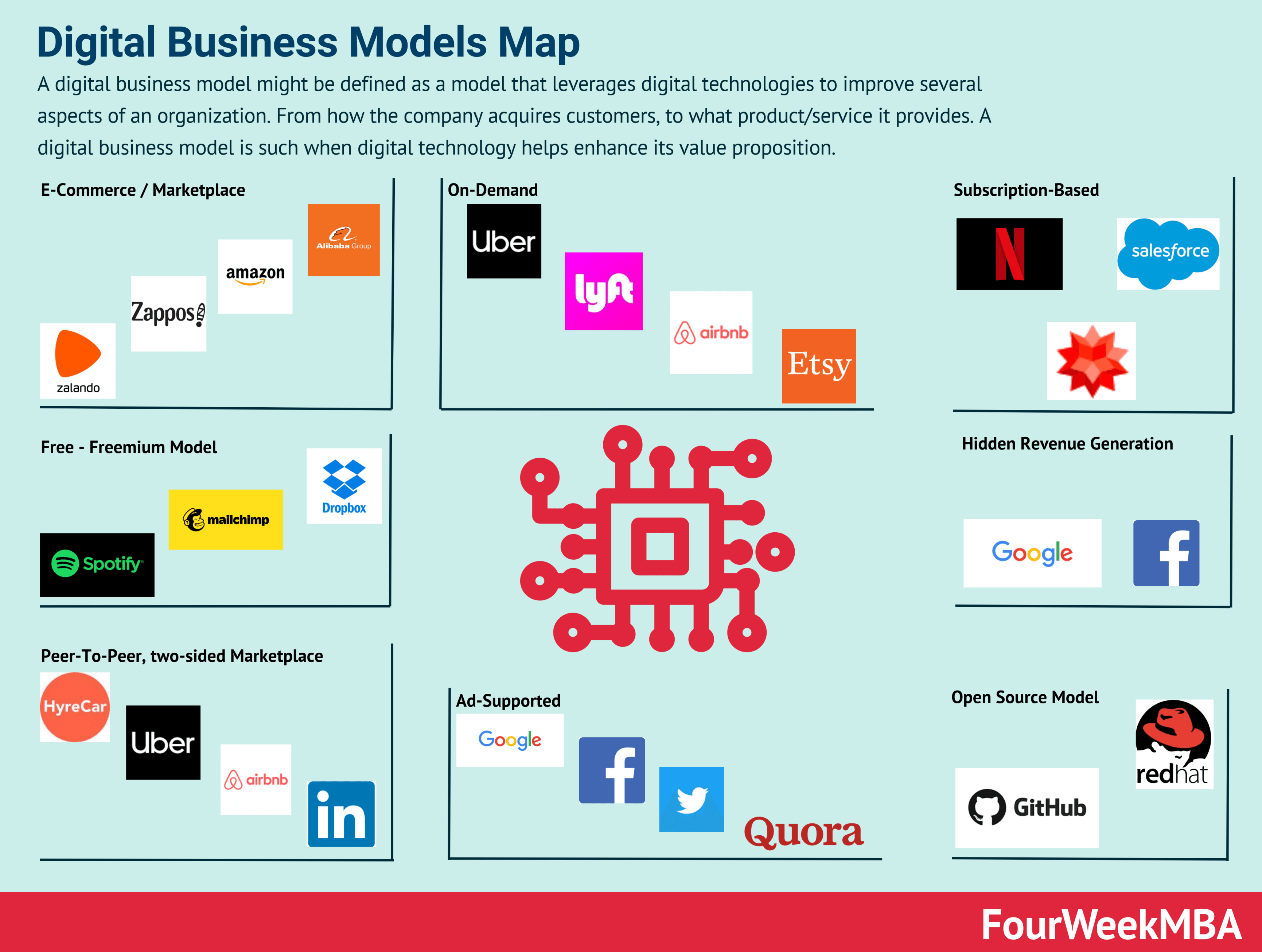
Digital business models are diverse, each offering unique pathways to value creation and monetization. Identifying the most suitable model, or a hybrid approach, depends heavily on your industry, target audience, and value proposition. Common models include the Subscription, Freemium, Marketplace, On-Demand, and Data-Driven approaches, each with distinct operational and strategic implications.
The Subscription Model focuses on recurring revenue by providing continuous access to a product or service, fostering long-term customer relationships. This model, prevalent in SaaS, streaming, and content platforms, thrives on consistent value delivery and customer retention. The Freemium Model attracts a broad user base with a free basic offering, converting a segment into paying customers for premium features or enhanced services. This strategy is effective for software, mobile apps, and digital tools, leveraging virality and user engagement.
The Marketplace Model acts as an intermediary, connecting buyers and sellers and facilitating transactions, often earning commissions or listing fees. E-commerce giants and service aggregators exemplify this model, benefiting from network effects. The On-Demand Model provides immediate access to goods or services, catering to instant gratification and convenience. Ride-sharing, food delivery, and instant service platforms have popularized this model. Finally, the Data-Driven Model leverages vast amounts of user data to create personalized experiences, targeted advertising, or even new data-as-a-service offerings, transforming information into a core asset.
Key Pillars of Digital Business Model Success
Regardless of the specific model chosen, several foundational pillars are critical for sustained success in the digital arena. These pillars ensure that the model is not only viable but also resilient, adaptable, and capable of delivering exceptional value to both customers and stakeholders. Prioritizing these areas enables businesses to build a competitive edge and foster long-term growth.
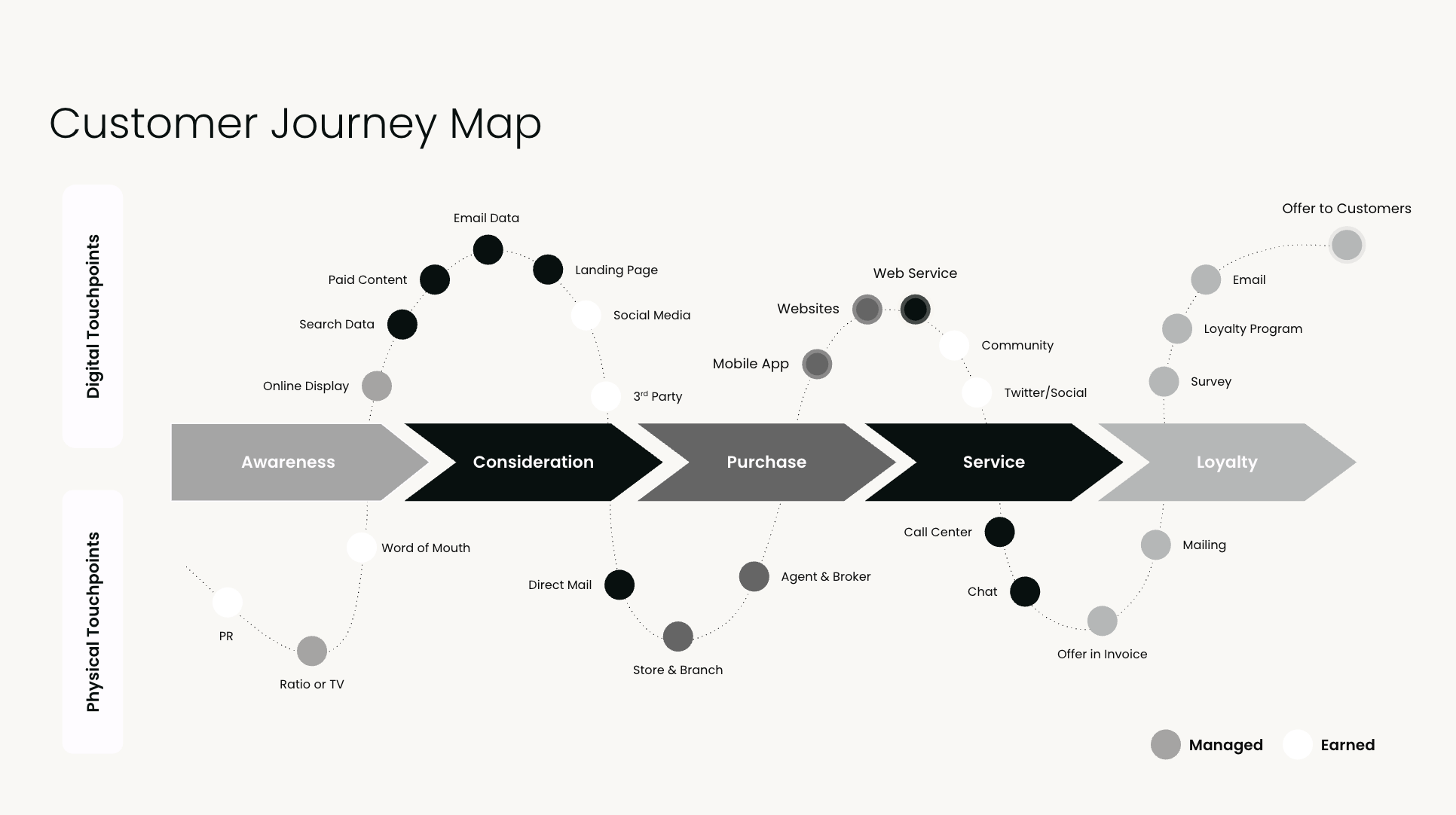
Customer-Centricity is paramount, demanding a deep understanding of customer needs, preferences, and behaviors. This involves designing intuitive user experiences, offering personalized interactions, and providing seamless multi-channel support. Leveraging AI-powered analytics to map customer journeys and predict future needs is now standard practice. Equally important is Scalability and Agility, which means designing systems and processes that can handle rapid growth and adapt quickly to market changes. Cloud-native architectures, microservices, and agile development methodologies are essential for this flexibility.
Data Monetization and Analytics form another crucial pillar. Beyond operational insights, businesses must strategically collect, analyze, and leverage data to identify new revenue streams, optimize pricing, and enhance product offerings. This includes ethical data handling and compliance with evolving privacy regulations. Furthermore, Ecosystem Partnerships are increasingly vital. Collaborating with complementary businesses, technology providers, and even competitors can unlock new markets, expand service offerings, and create synergistic value that a single entity could not achieve alone. Finally, a culture of Continuous Innovation and Adaptation ensures the business remains relevant, constantly evolving its offerings and processes to meet future demands and technological shifts.
Implementing and Optimizing Your Digital Model
Translating a digital business model concept into a thriving reality requires meticulous planning, iterative execution, and continuous optimization. The journey from strategy to implementation involves several critical phases, each demanding a data-driven approach and a commitment to agility.
The initial phase involves Strategic Planning and Technology Stack Selection. This includes thorough market analysis, defining a clear value proposition, and selecting the appropriate technologies (e.g., CRM, e-commerce platforms, AI/ML tools, cloud infrastructure) that align with your model’s requirements. Following this, Agile Development and Iteration are crucial. Instead of lengthy development cycles, businesses should adopt a Minimum Viable Product (MVP) approach, launching core functionalities quickly, gathering user feedback, and iterating rapidly. This allows for course correction and ensures the product evolves in line with market demand.
Marketing and Customer Acquisition strategies must be deeply integrated with the digital model. This involves leveraging advanced SEO, content marketing, social media, and AI-driven advertising campaigns to reach target audiences efficiently. Automation and personalization are key to optimizing conversion funnels. Concurrently, Operational Efficiency must be prioritized through process automation, AI-powered customer service, and robust analytics dashboards that provide real-time insights into performance. Regularly measuring key performance indicators (KPIs) and conducting A/B testing are essential for continuous optimization and ensuring the model delivers on its promise of value creation.
Future-Proofing Digital Business Models in 2025 and Beyond
As we look beyond 2025, digital business models must be designed with an eye toward future trends and emerging technologies to maintain relevance and competitive advantage. The pace of innovation shows no signs of slowing, making adaptability a core competency.
Advanced AI Integration will continue to redefine personalization, predictive analytics, and operational automation, enabling hyper-efficient and highly tailored customer experiences. Businesses must explore ethical AI frameworks and ensure data privacy. While still maturing, concepts like Web3 and Decentralization may introduce new models centered around tokenization, digital ownership, and community-governed platforms, potentially disrupting traditional intermediaries. Furthermore, a strong emphasis on Sustainability and Ethical Practices will become non-negotiable, influencing consumer choice and regulatory landscapes. Digital models that inherently support these values will gain significant traction, ensuring long-term viability and societal impact.

Leave a Comment