


Understanding Conversion-Focused SEO
In today’s competitive digital landscape, merely ranking high on search engines is no longer sufficient. Smart SEO transcends vanity metrics like traffic volume and focuses squarely on driving tangible business outcomes: conversions. This approach integrates traditional SEO principles with conversion rate optimization (CRO), ensuring that every visitor guided to your site has a higher propensity to become a lead, subscriber, or customer.
Conversion-focused SEO begins with a deep understanding of your target audience’s journey and intent. It’s about attracting the right visitors at the right stage of their decision-making process. By aligning your SEO efforts with your sales funnel, you can optimize content and technical elements to guide users seamlessly towards desired actions, transforming search visibility into measurable revenue.

Keyword Strategy Beyond Volume
A smart keyword strategy moves beyond simply targeting high-volume terms. Instead, it prioritizes long-tail, high-intent keywords that indicate a user is closer to making a purchase or taking a specific action. These keywords often have lower search volume but higher conversion rates because they reflect a more specific need or problem that your product or service can solve.
Semantic SEO plays a crucial role here, focusing on the underlying intent and context of user queries rather than just exact keyword matches. By building topic clusters around core themes and understanding related questions, you can capture a wider range of relevant searches. Tools powered by AI can help uncover these nuanced connections and identify underserved keyword opportunities that competitors might overlook.
- Identify commercial intent keywords (e.g., “best CRM software for small business”)
- Analyze user questions and pain points (e.g., “how to improve lead generation”)
- Map keywords to specific stages of the buyer’s journey
- Monitor competitor keyword performance for conversion insights
Optimizing On-Page Elements for User Intent
Once you’ve attracted the right audience, your on-page elements must work synergistically to facilitate conversion. High-quality, comprehensive content that directly addresses user intent is paramount. This means providing clear, concise answers to their questions, solving their problems, and demonstrating your expertise and trustworthiness (E-E-A-T).
Beyond content, optimize critical on-page elements. Compelling headlines and meta descriptions entice clicks and set expectations. Strategically placed, clear calls-to-action (CTAs) guide users towards the next step, whether it’s downloading an ebook, signing up for a demo, or making a purchase. Furthermore, ensure your page experience, including Core Web Vitals like LCP and CLS, is excellent to prevent users from bouncing due to slow loading or layout shifts.

Technical SEO for a Seamless User Journey
Robust technical SEO forms the bedrock of a high-converting website. A fast-loading site is non-negotiable; even a slight delay can significantly increase bounce rates and deter conversions. Ensure your website is optimized for mobile-first indexing, providing a flawless experience across all devices, as a majority of searches now originate from mobile.
Implementing structured data (Schema markup) is another powerful technical strategy. It helps search engines better understand your content, leading to richer search results (rich snippets) that can dramatically improve click-through rates. A well-planned internal linking structure not only aids search engine crawling but also guides users through your site’s most valuable content, creating logical pathways to conversion points.
Leveraging AI for Predictive Conversion Insights
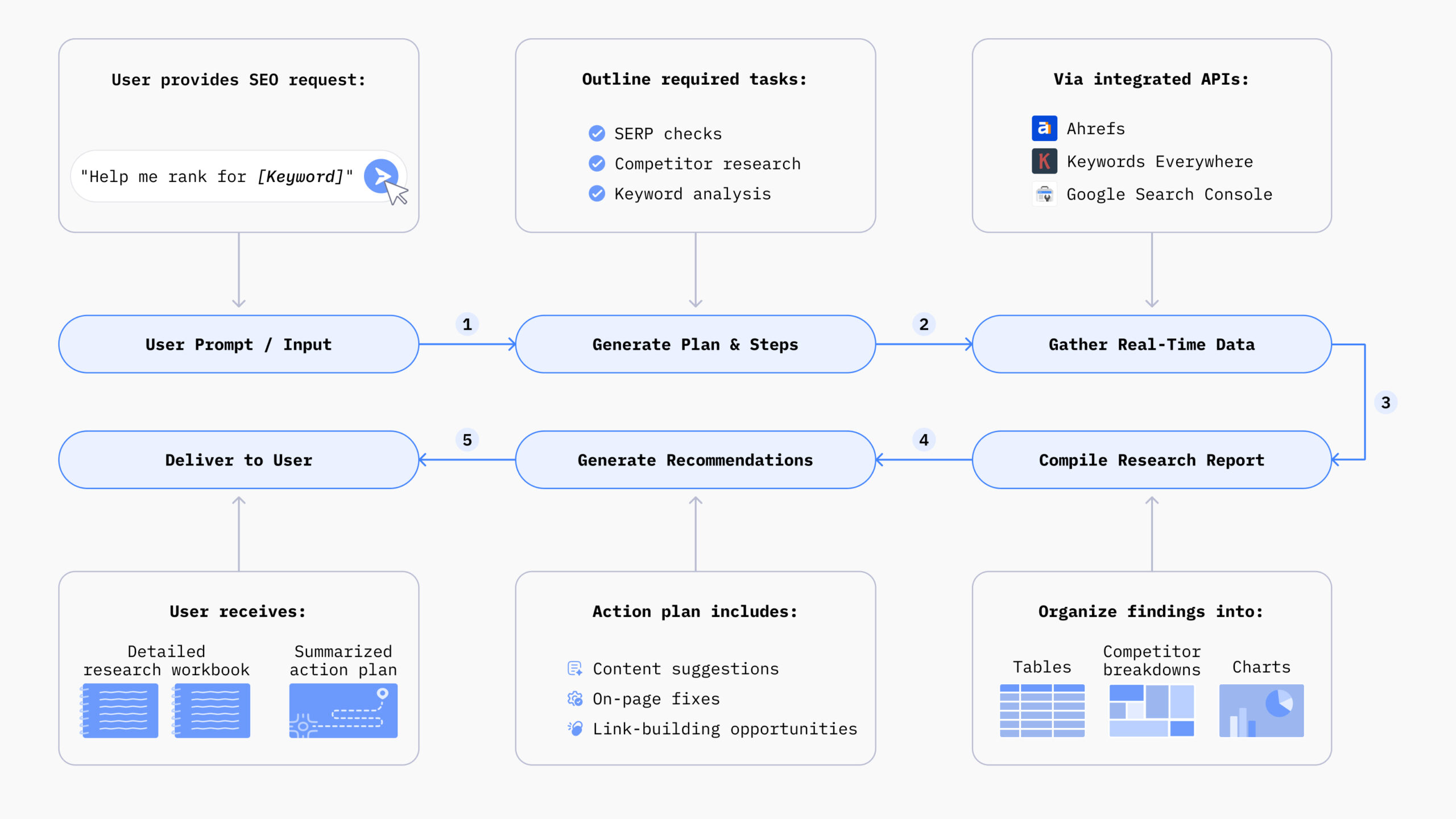
The integration of Artificial Intelligence is revolutionizing conversion-focused SEO. AI-powered tools can analyze vast datasets of user behavior, search patterns, and content performance to identify hidden opportunities and predict conversion likelihood. This allows strategists to move beyond reactive adjustments to proactive, data-driven optimization.
AI assists in refining keyword strategies by identifying emerging trends and semantic gaps. It can also personalize content recommendations and CTAs for different user segments, significantly enhancing relevance and engagement. By leveraging AI for predictive analytics, businesses can allocate resources more effectively, focusing on the SEO initiatives most likely to yield high-value conversions.
Measuring and Iterating for Continuous Growth
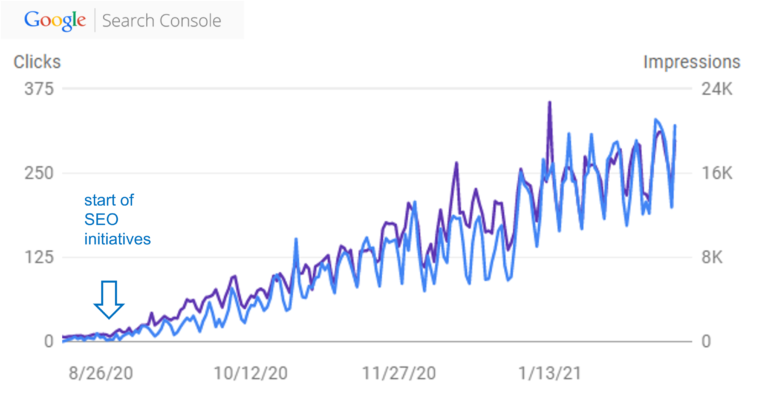
Conversion-focused SEO is an ongoing process of measurement, analysis, and iteration. Key performance indicators (KPIs) extend beyond traffic to include conversion rates, lead quality, revenue per visitor, and customer lifetime value. Utilize analytics platforms to track user behavior, identify drop-off points in the conversion funnel, and understand which content pieces contribute most to business goals.
A/B testing is indispensable for optimizing conversion elements. Experiment with different headlines, CTAs, content layouts, and form designs to determine what resonates best with your audience. Regularly review your data, implement changes based on insights, and continuously refine your strategy. This iterative approach ensures your SEO efforts remain agile and consistently drive improved conversion performance.
- Set clear, measurable conversion goals aligned with business objectives
- Track user behavior metrics (e.g., time on page, scroll depth, exit rates)
- Analyze data to identify bottlenecks and opportunities in the conversion path
- Conduct A/B tests on critical page elements and CTAs
- Integrate SEO data with CRM and sales platforms for a holistic view
The Future of Conversion-Driven SEO
The landscape of search is continuously evolving, with an increasing emphasis on user experience, E-E-A-T, and sophisticated semantic understanding. The future of conversion-driven SEO will see an even tighter integration with user experience (UX) design and conversion rate optimization (CRO), creating a holistic approach to digital growth. Voice and visual search optimization will also become more critical as user interaction methods diversify.
Successful marketing strategists will be those who can adapt quickly to algorithm updates and anticipate shifts in user behavior. By focusing on creating genuinely valuable, user-centric experiences supported by robust technical foundations and intelligent content strategies, businesses can ensure their SEO efforts not only attract visitors but consistently convert them into loyal customers in the years ahead.


Leave a Comment