

The Transformative Role of AI in Social Media Marketing
Artificial Intelligence (AI) has fundamentally reshaped the landscape of social media marketing. In late 2025, AI is no longer a futuristic concept but an indispensable tool for businesses aiming to achieve precision, efficiency, and scale in their social media efforts. From automating mundane tasks to delivering deep analytical insights, AI empowers marketers to move beyond manual processes and focus on strategic initiatives that drive tangible business outcomes.
The integration of AI allows for a more data-driven approach, enabling marketers to understand audience behavior with unprecedented clarity, personalize content at scale, and optimize campaigns in real-time. This shift is critical for maintaining a competitive edge in an increasingly crowded digital space, ensuring that marketing resources are allocated effectively and generate maximum return on investment.

AI-Powered Content Creation and Curation
AI tools are revolutionizing how content is generated and managed for social platforms. These technologies can analyze vast datasets of trending topics, audience preferences, and competitor strategies to suggest highly relevant content ideas. Beyond ideation, AI can assist in drafting social media posts, headlines, and even short-form video scripts, significantly reducing the time and effort traditionally required for content production.
Furthermore, AI excels at content curation, identifying and recommending third-party articles, news, or user-generated content that aligns with a brand’s voice and audience interests. This capability ensures a consistent flow of engaging and valuable content, keeping social feeds fresh and dynamic without constant manual intervention. The ability to personalize content at scale, tailoring messages to specific audience segments, is a game-changer for engagement.
Advanced Audience Targeting and Personalization
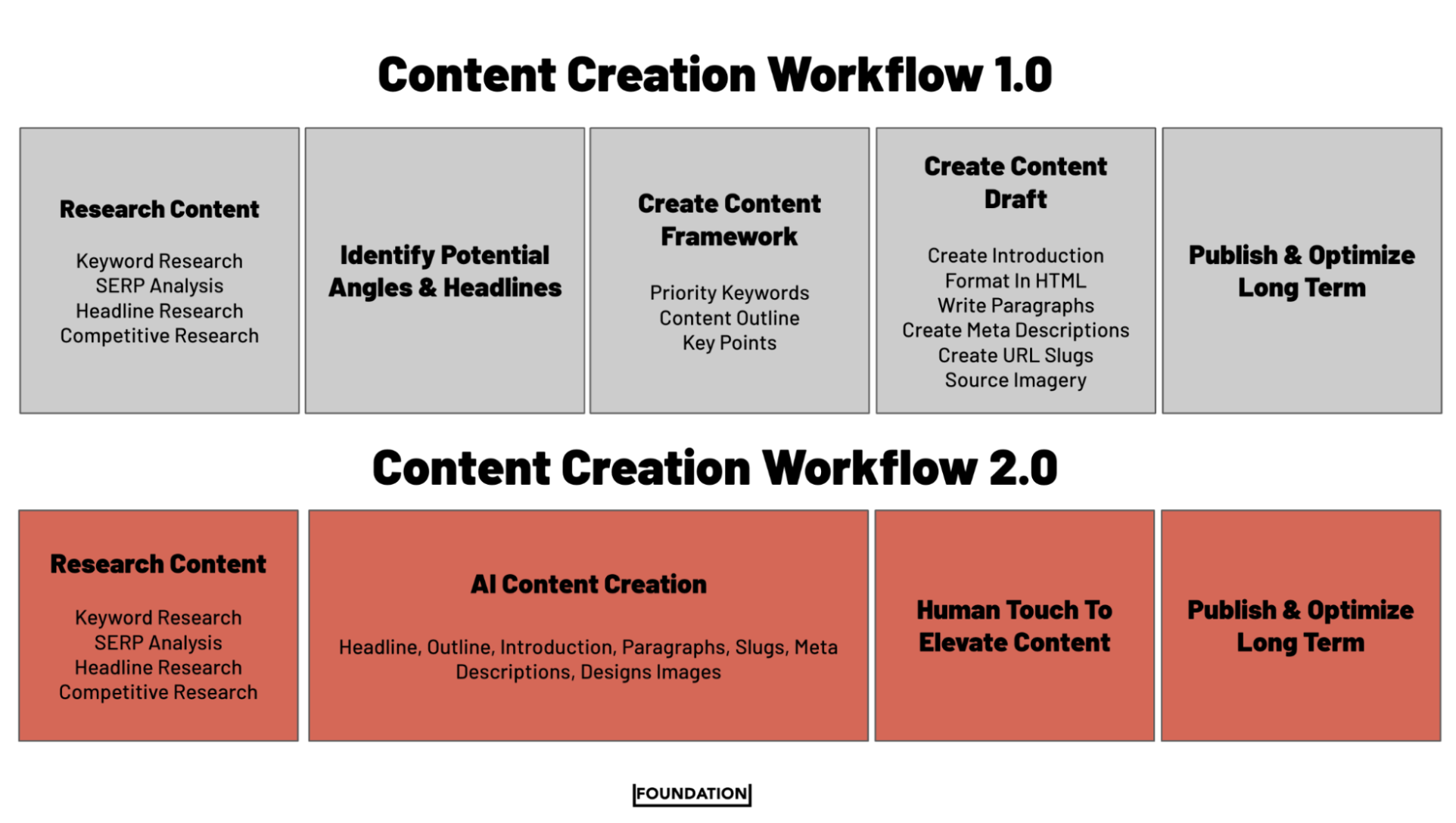
One of AI’s most impactful applications in social media marketing is its ability to refine audience targeting and deliver hyper-personalized experiences. AI algorithms can process complex demographic, psychographic, and behavioral data to identify high-value segments with remarkable accuracy. This goes beyond traditional segmentation, predicting future behaviors and preferences based on past interactions and broader market trends.
By leveraging AI, marketers can dynamically adjust ad creatives, calls to action, and landing page experiences in real-time, ensuring that each user receives the most relevant message at the optimal moment. This level of personalization not only improves engagement rates but also significantly enhances conversion potential, making social media advertising far more effective and less wasteful.
Optimizing Social Media Advertising Campaigns
AI has become central to optimizing social media advertising campaigns, moving beyond basic automation to predictive analytics and real-time adjustments. AI-powered platforms can manage bid strategies, allocate budgets across different ad sets, and identify underperforming elements within a campaign before they significantly impact results. This continuous optimization ensures that ad spend is always directed towards the most effective channels and creatives.
Moreover, AI facilitates advanced A/B testing and multivariate testing at scale, rapidly identifying winning combinations of visuals, copy, and targeting parameters. The insights gained from these tests allow for immediate campaign adjustments, leading to improved click-through rates, lower cost-per-acquisition, and ultimately, a higher return on ad spend. Marketers can monitor performance dashboards that provide AI-driven recommendations for further optimization.
Enhanced Customer Engagement and Support
AI tools are transforming how brands interact with their audience on social media, offering both proactive engagement and efficient support. AI-powered chatbots and virtual assistants can handle a significant volume of routine customer inquiries, provide instant answers, and guide users through common processes, freeing human agents to focus on more complex issues. This improves response times and overall customer satisfaction.
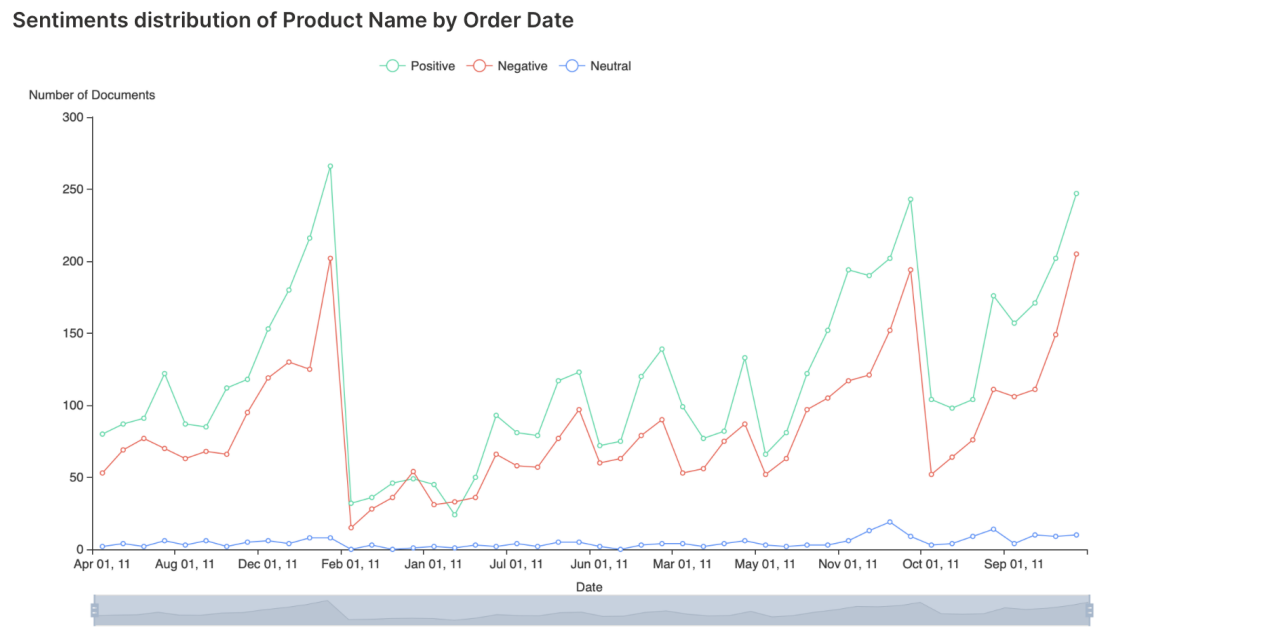
Beyond direct support, AI-driven sentiment analysis monitors social conversations across platforms, identifying mentions of a brand, product, or industry trends. This allows marketers to gauge public perception, detect potential crises early, and identify opportunities for proactive engagement. By understanding the emotional tone of conversations, brands can tailor their responses and build stronger, more empathetic relationships with their community.
Data Analytics, Reporting, and Strategic Insights
The sheer volume of data generated by social media activity can be overwhelming, but AI provides the tools to transform this raw data into actionable intelligence. AI-powered analytics platforms can automatically collect, process, and visualize vast datasets, identifying patterns, trends, and anomalies that would be impossible for human analysts to uncover manually. This includes performance metrics, audience demographics, content effectiveness, and competitive benchmarks.
These systems generate comprehensive reports and dashboards, often with predictive capabilities, forecasting future performance based on current trends. This allows marketing strategists to make informed decisions, refine their overall social media strategy, and demonstrate clear ROI to stakeholders. The ability to quickly extract meaningful insights from complex data is invaluable for continuous improvement and strategic planning.
Ethical Considerations and Responsible AI Implementation
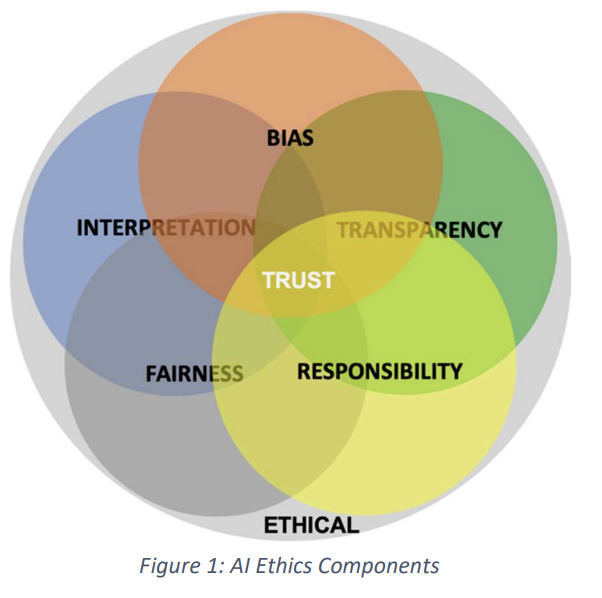
While the benefits of AI in social media marketing are substantial, it is crucial to address the ethical implications and ensure responsible implementation. Key considerations include data privacy, ensuring compliance with regulations like GDPR and CCPA, and maintaining transparency with users about how their data is being used. Brands must prioritize user trust by clearly communicating their AI practices and safeguarding sensitive information.
Another critical aspect is mitigating algorithmic bias. AI systems are trained on data, and if that data contains inherent biases, the AI can perpetuate or even amplify them, leading to unfair or inaccurate targeting and content delivery. Regular auditing of AI models and diverse training datasets are essential to ensure equitable and inclusive marketing practices. Human oversight remains vital to review AI outputs and intervene when necessary, ensuring ethical boundaries are maintained.
Navigating the Future of Social Media Marketing with AI
As we look ahead, AI’s integration into social media marketing will only deepen and become more sophisticated. Expect further advancements in generative AI for multimedia content, more intuitive predictive analytics for trendspotting, and increasingly autonomous campaign management systems. The role of the human marketer will evolve, shifting from manual execution to strategic oversight, creative direction, and ethical stewardship.
Businesses that embrace AI not merely as a tool for automation but as a strategic partner for innovation will be best positioned to thrive. The focus will remain on leveraging AI to enhance human creativity, foster deeper customer connections, and drive measurable business growth in an ever-evolving digital landscape. Staying informed about emerging AI capabilities and best practices will be paramount for sustained success.


Leave a Comment