


Introduction: The Evolving Landscape of Publisher SEO
For publishers, organic search traffic remains a cornerstone of audience acquisition and revenue generation. However, the dynamics of search engine optimization for content-heavy websites, often referred to as Publisher SEO, differ significantly from traditional business SEO. It’s not merely about ranking for a few keywords; it’s about establishing topical authority, delivering exceptional user experience at scale, and adapting to rapidly evolving search algorithms that increasingly prioritize E-E-A-T (Experience, Expertise, Authoritativeness, Trustworthiness).
In today’s competitive digital environment, a robust Publisher SEO strategy is critical for maintaining visibility, driving consistent traffic, and ultimately, ensuring business sustainability. This article delves into the core components of effective Publisher SEO, exploring practical strategies, technical considerations, and the impact on traffic and revenue in the current landscape.
Fundamentals of High-Impact Publisher SEO
At its heart, Publisher SEO hinges on two primary pillars: unparalleled content quality and a flawless technical foundation. Search engines, particularly Google, are more sophisticated than ever, capable of discerning not just keywords but also the depth, originality, and trustworthiness of content. Publishers must prioritize creating valuable, well-researched, and engaging articles that genuinely serve user intent, backed by demonstrable expertise from their authors.
Beyond content, the technical infrastructure of a publishing site dictates how efficiently search engines can crawl, index, and understand its vast array of pages. This includes optimizing for site speed, ensuring mobile-first responsiveness, and implementing structured data to provide context to search engines. A seamless user experience, measured by Core Web Vitals and other engagement metrics, is also paramount, as it directly influences rankings and user retention.
Strategic Pillars for Driving Organic Traffic
Content Strategy & Topical Authority
Effective content strategy for publishers moves beyond individual keyword targeting to building comprehensive topical authority. This involves creating clusters of interconnected content that thoroughly cover a subject, demonstrating deep expertise. Evergreen content, which remains relevant over time, should be balanced with timely, high-quality news and analysis. Keyword research should focus on understanding user intent across various stages of their information journey, identifying long-tail opportunities, and addressing trending topics responsibly.
Developing a content calendar that maps to user needs and search trends is crucial. Publishers should leverage internal linking to connect related articles, reinforcing topical authority and guiding users through their site. This not only improves SEO but also enhances user engagement and time on site.
Technical SEO for Scale and Visibility
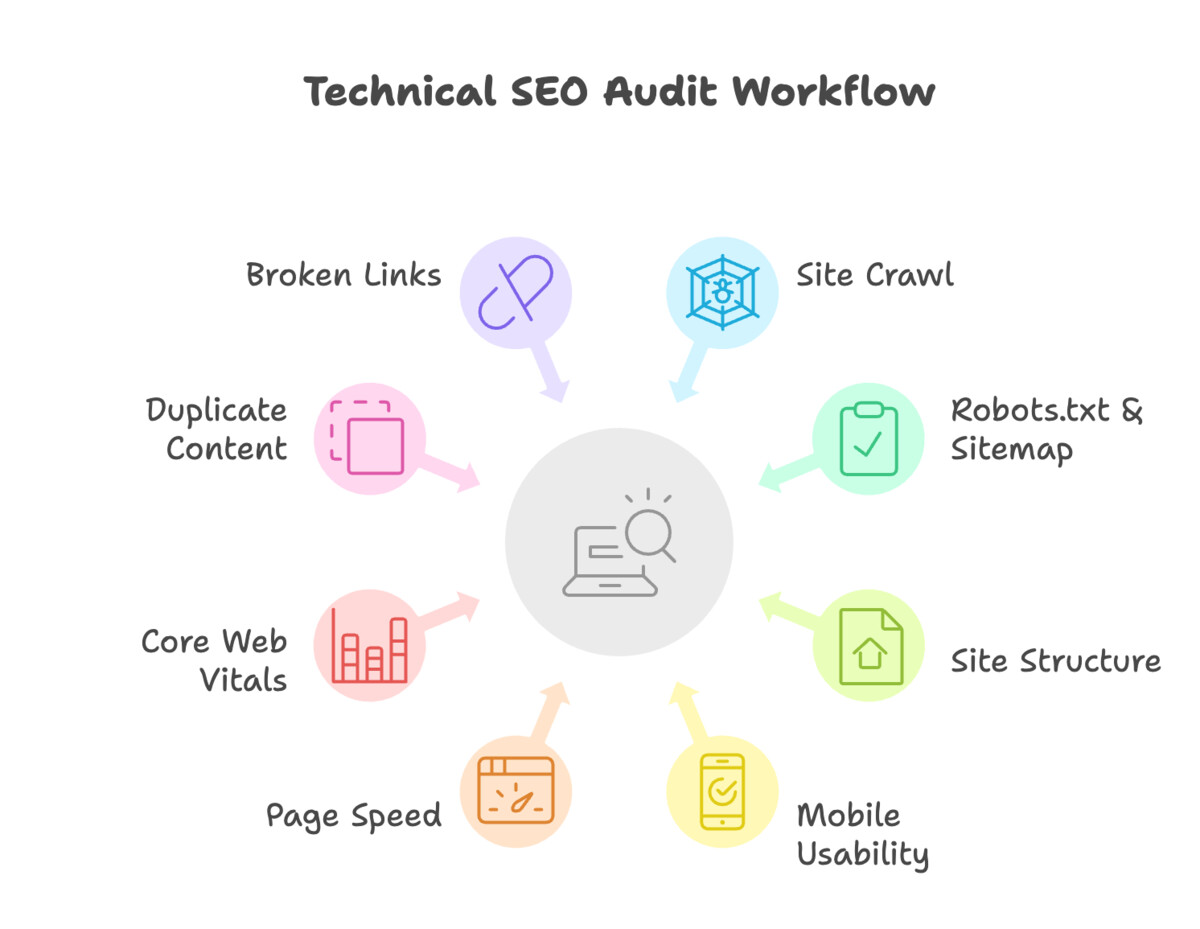
For publishers managing thousands or even millions of pages, technical SEO is a continuous, critical process. Implementing appropriate schema markup (e.g., Article, NewsArticle, FAQPage) helps search engines understand content type and context, enabling rich snippets and enhanced visibility in SERPs. Optimizing crawl budget ensures that search engine bots efficiently discover and re-index important content, especially for frequently updated sites.
Managing pagination, duplicate content issues, and ensuring a clean site architecture are also vital. A fast-loading, secure (HTTPS) website with robust internal linking and a clear XML sitemap facilitates better indexing and a superior user experience, which are direct ranking factors.
User Experience (UX) & Engagement Signals
User experience is no longer a secondary consideration for SEO; it’s a core ranking factor. Publishers must ensure their websites are intuitive, easy to navigate, and provide a pleasant reading experience. This includes optimizing readability with clear fonts, appropriate line spacing, and well-structured headings. Aggressive or intrusive advertising can significantly detract from UX, leading to higher bounce rates and lower time on page, negatively impacting SEO performance.
Monitoring engagement signals such as click-through rate (CTR), time on page, and bounce rate provides valuable insights into content effectiveness and user satisfaction. Improving these metrics often correlates with better search rankings and increased organic traffic. Tools like Google Analytics 4 offer deep dives into user behavior, allowing publishers to identify areas for improvement.
Measuring Traffic Impact and ROI
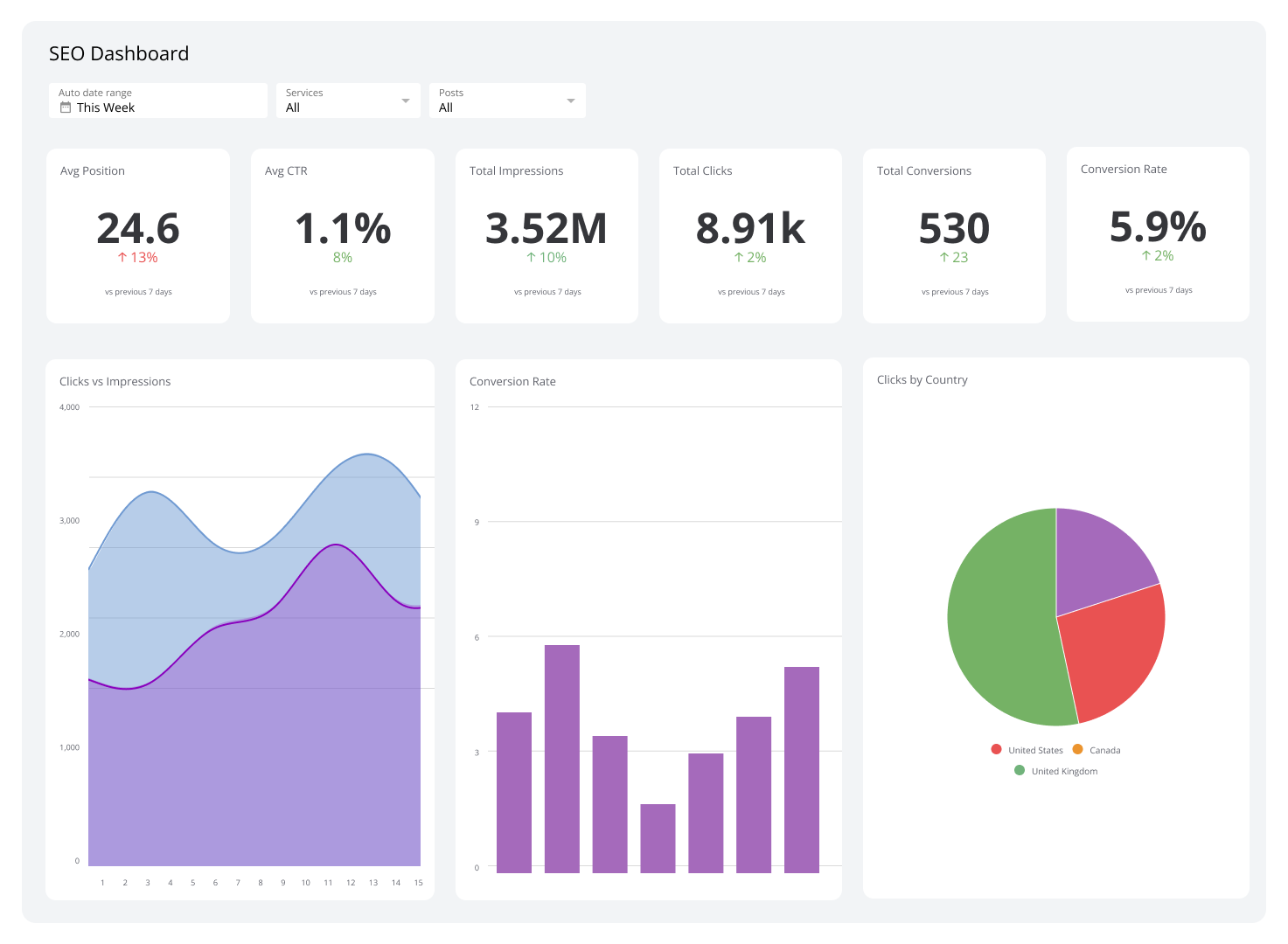
Understanding the true impact of Publisher SEO requires diligent tracking and analysis of key performance indicators (KPIs). Organic traffic volume, impressions, and click-through rates from Google Search Console provide a foundational view of visibility and user acquisition. Deeper insights come from analyzing page views per session, average time on page, and bounce rate within Google Analytics 4, which indicate content engagement and user satisfaction.
For publishers, the ultimate ROI often ties back to revenue, whether through advertising impressions, affiliate sales, or subscriptions. Tracking how organic traffic contributes to these revenue streams, using attribution models, is essential. Regular reporting on keyword rankings, content performance, and overall site health allows publishers to refine their strategies and demonstrate the tangible value of SEO efforts.
Leveraging AI Tools for Enhanced Publisher SEO
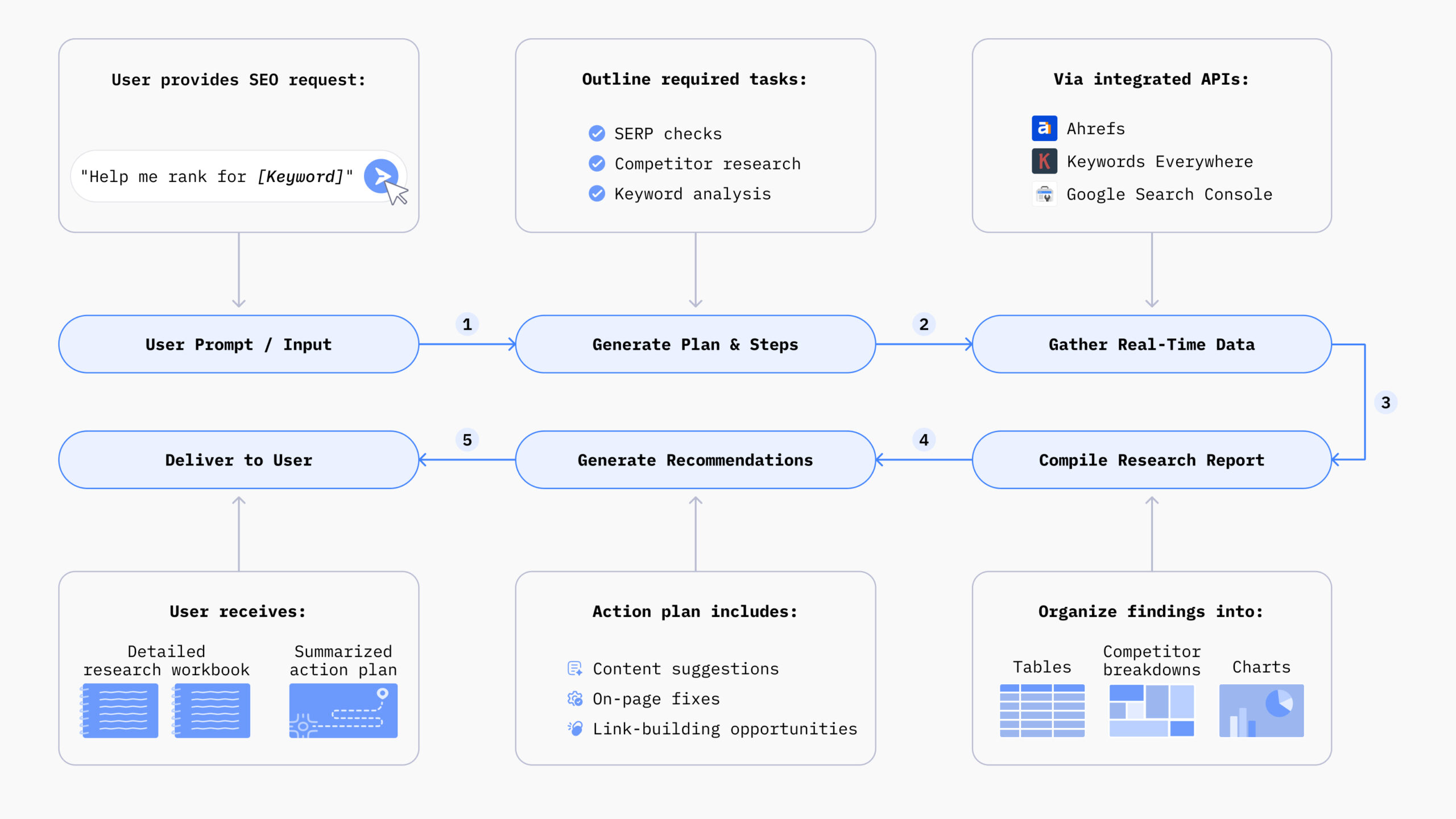
The integration of AI tools has revolutionized many aspects of SEO, offering publishers unprecedented capabilities in content creation, optimization, and analysis. AI can significantly enhance content strategy by identifying trending topics, performing advanced keyword gap analysis, and generating comprehensive content outlines. This allows human writers to focus on crafting nuanced, high-quality narratives.
For content optimization, AI-powered tools can analyze readability, suggest improvements for SEO relevance, and even help in generating meta descriptions and titles. In technical SEO, AI can rapidly audit websites for common issues, identify broken links, and suggest schema markup improvements. Furthermore, AI can personalize on-site content recommendations, increasing user engagement and time on site, thereby positively impacting SEO signals.
Future-Proofing Your Publisher SEO Strategy
The digital landscape is in constant flux, with search engine algorithms continually evolving. To future-proof their SEO strategy, publishers must prioritize adaptability and a holistic approach. This means staying informed about algorithm updates, focusing on core principles like E-E-A-T and user experience, rather than chasing fleeting trends. Diversifying traffic sources beyond organic search, such as direct traffic, social media, and email newsletters, builds resilience against algorithm shifts.
Ultimately, building a direct relationship with the audience through brand loyalty and community engagement is paramount. Publishers who consistently deliver high-value content, foster trust, and adapt to technological advancements will be best positioned to maintain and grow their organic traffic and revenue in the years to come.

Leave a Comment