

Understanding Long-Term Marketing Strategies
Long-term marketing strategies are foundational, focusing on building brand equity, customer loyalty, and sustainable market presence over extended periods, often months or years. These initiatives aim to cultivate a strong brand identity, establish thought leadership, and create organic channels for customer acquisition. Examples include comprehensive SEO campaigns, evergreen content marketing, robust social media community building, and customer relationship management (CRM) programs designed for retention.
The benefits of a well-executed long-term strategy are profound. They lead to higher customer lifetime value (LTV), reduced customer acquisition costs (CAC) over time, and increased brand authority. While initial ROI might be slower, the compounding effect of these efforts often results in a more resilient business model, less susceptible to market fluctuations. Investing in long-term strategies is akin to building a strong house foundation – it requires time and resources but ensures stability and future expansion.
The Role of Short-Term Marketing Tactics
In contrast, short-term marketing tactics are designed for immediate impact, focusing on generating quick leads, driving rapid sales, or achieving specific, time-sensitive campaign goals. These strategies typically have a shorter execution cycle and aim for measurable results within days or weeks. Common examples include pay-per-click (PPC) advertising, flash sales, limited-time promotions, seasonal campaigns, and targeted email blasts for specific product launches.
Short-term tactics are crucial for generating immediate revenue, testing market responsiveness, and capitalizing on current trends or seasonal demands. They provide agility, allowing businesses to quickly adapt to market changes or address urgent sales targets. While they can be highly effective for quick wins, relying solely on short-term tactics can lead to inconsistent growth, higher CAC in the long run, and a lack of brand differentiation if not supported by broader strategic goals.
Key Differences and Interdependencies
The fundamental difference lies in their objectives and time horizons. Long-term strategies build assets and relationships, focusing on future value, while short-term tactics aim for immediate transactions and quick returns. Metrics also diverge: long-term success is often measured by brand awareness, organic traffic growth, and customer retention rates, whereas short-term success is typically evaluated by conversion rates, cost per acquisition (CPA), and return on ad spend (ROAS).
Crucially, these two approaches are not mutually exclusive; they are interdependent. A strong long-term brand foundation enhances the effectiveness of short-term campaigns, making ads more credible and promotions more appealing. Conversely, short-term campaigns can provide valuable data for refining long-term strategies, identifying high-performing keywords, audience segments, or messaging that can be integrated into broader content or SEO efforts. This synergy is vital for holistic marketing success.
Crafting a Balanced Marketing Approach
Achieving a balanced marketing approach requires strategic planning and careful resource allocation. Begin by defining clear business objectives that encompass both immediate revenue needs and long-term growth aspirations. Allocate a portion of your marketing budget to foundational long-term initiatives like SEO and content creation, while reserving another portion for agile, performance-driven short-term campaigns. This ensures continuous lead generation while simultaneously building brand equity.
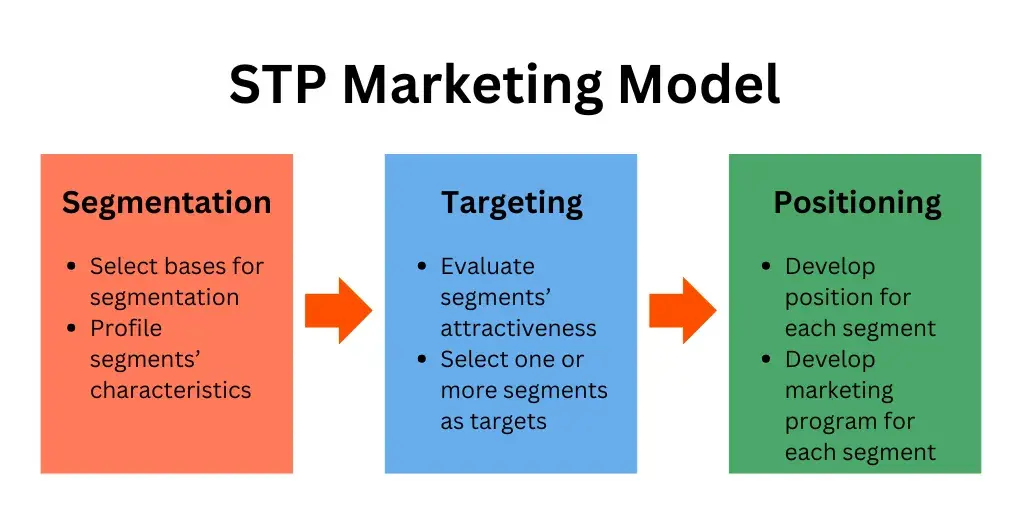
Leverage AI tools to optimize this balance. Predictive analytics can inform long-term content strategies by identifying emerging trends and audience interests, ensuring evergreen content remains relevant. For short-term campaigns, AI-powered ad platforms can optimize bidding, audience targeting, and creative variations in real-time, maximizing ROAS. A robust marketing strategy framework integrates these elements, ensuring that every tactic, whether short or long-term, contributes to overarching business goals.
Measuring Success: Metrics for Each Strategy
Effective measurement is paramount for both strategy types. For long-term initiatives, focus on metrics that reflect sustained growth and brand health. These include organic search rankings, website authority scores, customer lifetime value (LTV), brand sentiment, social media engagement rates, and customer retention rates. These indicators provide insight into the enduring impact of your efforts and the strength of your brand’s foundation.
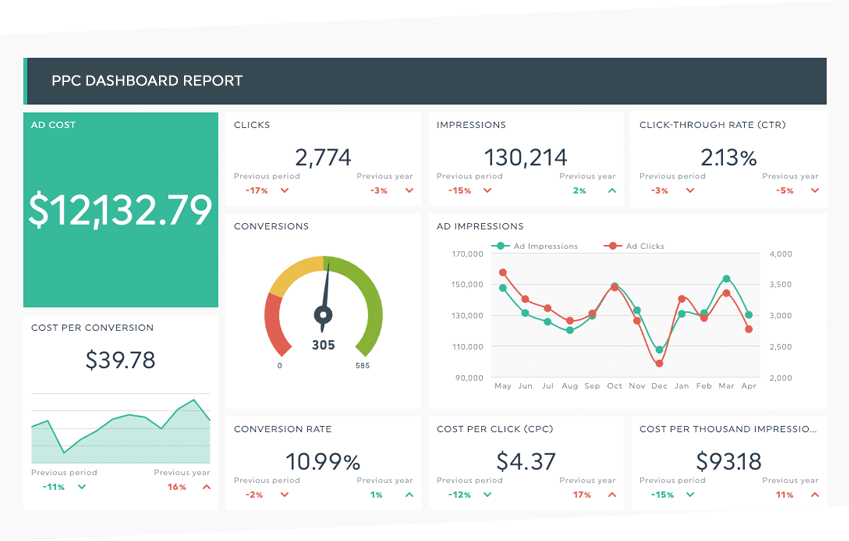
For short-term campaigns, immediate, performance-based metrics are key. Monitor conversion rates, cost per click (CPC), cost per acquisition (CPA), return on ad spend (ROAS), and lead volume. Utilizing a comprehensive marketing analytics dashboard that tracks both sets of metrics allows for real-time adjustments to short-term tactics and informed strategic shifts for long-term planning. This dual perspective ensures that both immediate gains and future growth are continuously monitored and optimized.
Adapting to the Evolving Marketing Landscape
The marketing landscape is in constant flux, driven by technological advancements and shifting consumer behaviors. The rise of AI integration, evolving data privacy regulations, and the demand for hyper-personalization are critical factors influencing both long-term and short-term strategies in late 2025. Long-term strategies must build adaptable content frameworks and privacy-compliant data collection methods, while short-term tactics must leverage AI for dynamic ad targeting and real-time personalization within these new constraints.
Agility and continuous optimization are no longer optional but essential. Regularly review performance data from both long-term and short-term efforts to identify what’s working and what needs adjustment. The synergy between these strategies, informed by current market dynamics and optimized with smart AI tools, will define marketing success moving forward. Businesses that master this balance will be best positioned for sustained growth and competitive advantage.

Leave a Comment