

The Convergence of AI, CRM, CDP & Automation for Modern Marketing
In the rapidly evolving digital landscape of late 2025, businesses face unprecedented opportunities and challenges in connecting with their customers. The modern marketer’s toolkit has expanded far beyond traditional channels, now encompassing a sophisticated ecosystem of technologies designed to understand, engage, and convert. At the heart of this transformation lies the powerful synergy between Artificial Intelligence (AI), Customer Relationship Management (CRM), Customer Data Platforms (CDP), and marketing automation. These aren’t just standalone tools; they are integral components of a unified strategy, enabling unparalleled personalization, efficiency, and revenue growth.
This article will delve into how these four pillars integrate to form a robust, intelligent marketing infrastructure. We’ll explore their individual strengths, their combined power, and practical strategies for implementation, ensuring your business is equipped to navigate the complexities of customer engagement and achieve sustainable growth.
The Evolving Landscape of Customer Data Management
For years, customer data resided in disparate systems, creating fragmented views and hindering effective personalization. CRM systems have long been the backbone for managing customer interactions, sales pipelines, and service requests. They excel at tracking individual customer journeys and operationalizing direct communications, providing a critical record of every touchpoint and empowering sales and service teams.
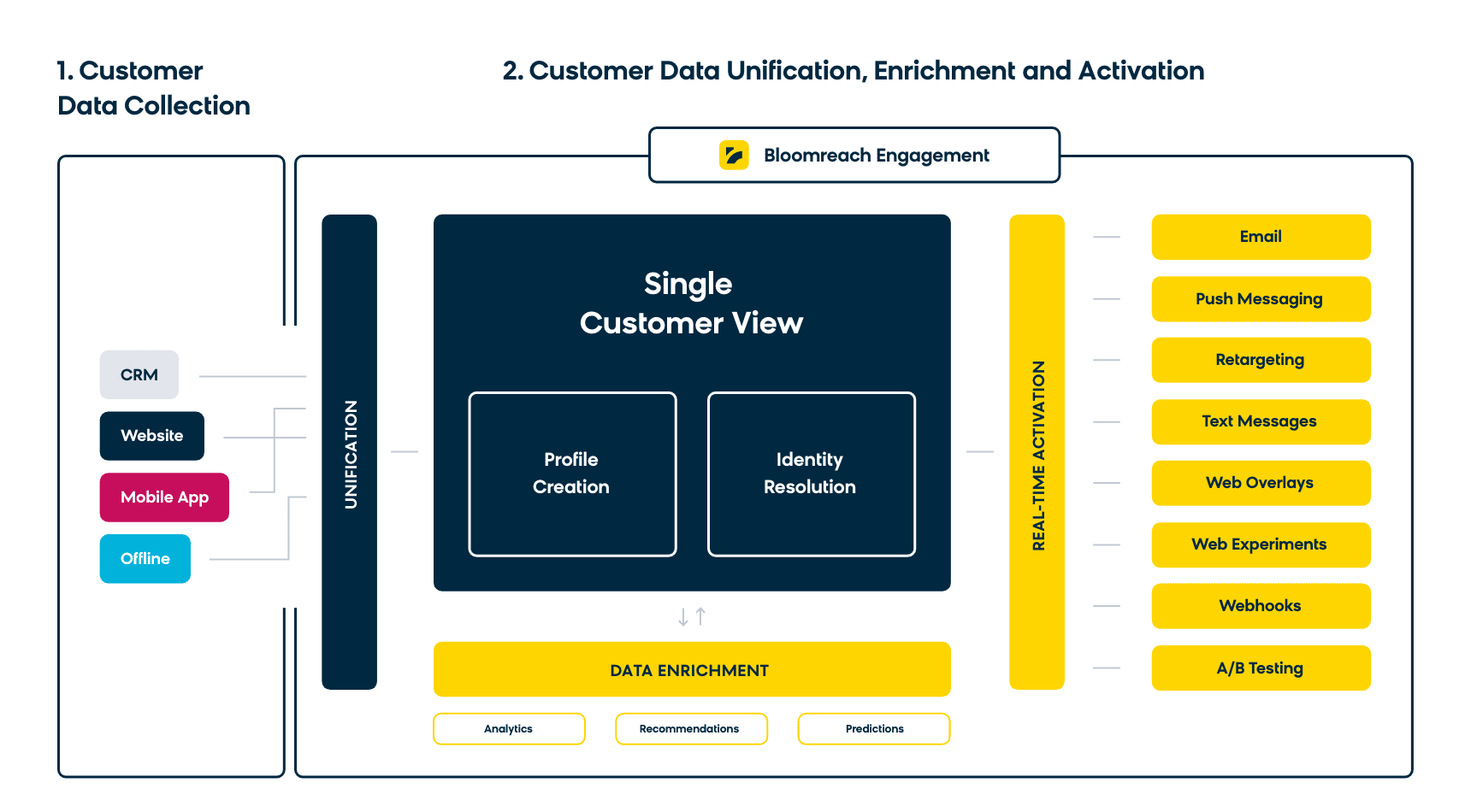
However, the explosion of data from diverse sources – websites, mobile apps, social media, IoT devices – highlighted a gap. This is where Customer Data Platforms (CDPs) emerged as a game-changer. CDPs specialize in ingesting data from all online and offline sources, unifying it into persistent, comprehensive customer profiles. Unlike CRMs, CDPs focus on creating a single, golden record of each customer, making this rich, real-time data accessible to other marketing and analytics systems for deeper insights and activation.
AI as the Intelligence Layer
Artificial Intelligence acts as the crucial intelligence layer, transforming raw data into actionable insights across your marketing stack. Integrated with CRMs, AI can predict customer churn, identify high-value leads, and recommend next-best actions for sales teams. It automates data entry, analyzes sentiment from customer interactions, and even assists in drafting personalized communication, significantly boosting operational efficiency.
When combined with a CDP, AI’s capabilities amplify significantly. It can segment audiences with unprecedented precision based on behavioral patterns, preferences, and predictive scores. AI algorithms power dynamic content personalization, optimize campaign timing for maximum impact, and uncover hidden trends in customer journeys, allowing marketers to anticipate needs rather than just react to them. This predictive power is essential for staying ahead in a competitive market.
Automation: Orchestrating Seamless Customer Journeys
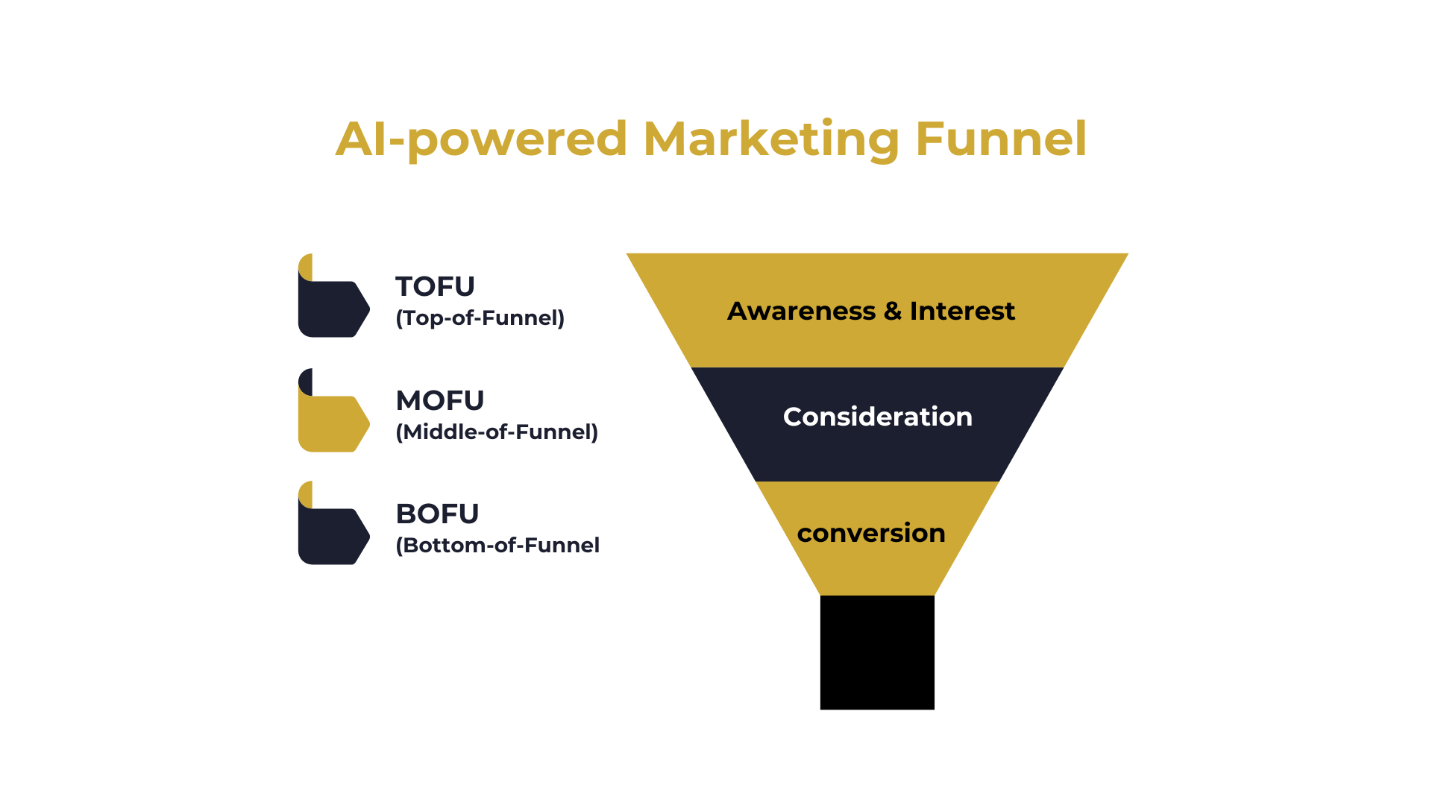
Marketing automation, when integrated with AI, CRM, and CDP, moves beyond simple email blasts to orchestrate truly intelligent, multi-channel customer journeys. It leverages the unified customer profiles from a CDP and the interaction history from a CRM, all guided by AI-driven insights, to trigger highly personalized communications and actions at scale across various touchpoints.
This means automating complex workflows like lead nurturing based on engagement scores, personalized onboarding sequences, re-engagement campaigns for at-risk customers, and even proactive customer service outreach. The goal is to deliver the right message to the right person at the right time, across their preferred channels, without manual intervention. This not only enhances customer experience but also frees up marketing teams to focus on strategic initiatives rather than repetitive tasks.
Synergistic Power: AI, CRM, CDP & Automation in Action
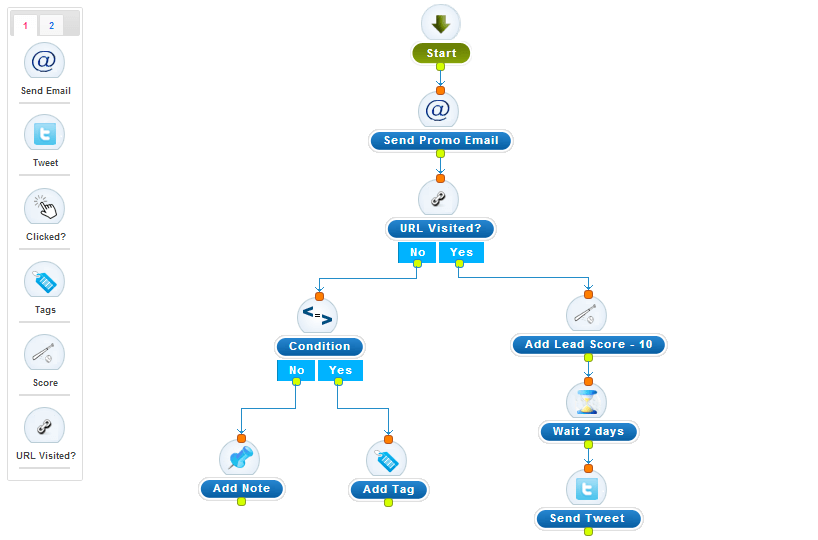
The true power of these technologies unfolds when they operate as a cohesive unit. Consider a scenario where a customer browses a product on your website but doesn’t purchase. The CDP unifies this browsing data with their past purchase history and demographic information. AI then analyzes this profile, predicting their likelihood to convert and identifying the most effective incentive or content to prompt action.
This AI-driven insight is then fed into the marketing automation system, which triggers a personalized email or push notification via the CRM, offering a relevant discount or showcasing complementary products. If the customer engages, the CRM updates their profile, and the CDP enriches their unified record, allowing for further AI-driven optimizations. This closed-loop system ensures every interaction is informed, personalized, and optimized for conversion and loyalty, creating a truly intelligent customer experience.

Implementing a Unified MarTech Strategy
Adopting a unified MarTech strategy requires careful planning and execution. The first step involves a thorough audit of existing data sources and systems to identify gaps and opportunities for integration. Establishing robust data governance policies is paramount to ensure data quality, privacy compliance, and accessibility across platforms, laying a solid foundation for your integrated stack.
A phased implementation approach often yields the best results, starting with integrating core systems and gradually expanding capabilities. Crucially, this isn’t just a technology project; it demands cross-functional collaboration between marketing, sales, IT, and data science teams. Continuous monitoring, A/B testing, and performance measurement are essential to refine strategies and demonstrate tangible ROI, ensuring the technology serves your business objectives effectively.

Future-Proofing Your Marketing with Integrated Solutions
As we look ahead, the convergence of AI, CRM, CDP, and automation will only deepen, becoming the standard for competitive marketing. Businesses that successfully integrate these solutions are not just optimizing current campaigns; they are building a resilient, intelligent infrastructure capable of adapting to future market shifts and evolving customer expectations. The ongoing advancements in AI, particularly in generative capabilities and predictive modeling, promise even more sophisticated personalization and automation.
Investing in a unified MarTech stack today is an investment in future growth, enabling marketers to move from reactive campaigns to proactive, predictive engagement. This strategic integration empowers businesses to cultivate deeper customer relationships, drive sustainable revenue, and maintain a significant competitive edge in an increasingly data-driven world.

Leave a Comment